Sea of Cortez in Summer: Why Some of the Best Marine Life Comes After the Crowds Leave
The worst-kept secret in Baja. Fewer boats, clearer water, and still a full buffet of marine life.
Ask most wildlife travellers when to visit the Sea of Cortez and they’ll say the same thing: April through June. Mobula migration, peak crowds, peak hype. And they’re not wrong, it is incredible, and it’s why our Mobula Ray Migration expedition runsin that window.
But then something interesting happens. By the first week of July, the mobulas start thinning out. The peak-season guests pack up. The Instagram feeds shift to the next bucket-list destination. And La Ventana boat traffic starts to reduce.
Except the ocean doesn’t care about the calendar. The dolphins stay. The sub tropical whales have arrived. The sea lions are still playing. The occasional whale shark still cruises through. And the orcas, as rare as they are in peak season, are still around, doing orca things, often in even calmer water than they had in May. Meanwhile the visibility is so clear and the conditions are calm on most days. The animals exhale. The surviving local operators exhale. And anyone who’s in the know quietly books the summer trip and gets the Sea of Cortez more or less to themselves.
That’s what our Sea of Cortez Safari expedition is built around. It runs July through August. Here’s why it works.
What changes when most of the crowds leave
During peak mobula season, the waters off La Ventana can have 20+ boats out on any given day. Which means (as we have written here) animals can get crowded, encounters get rushed, and you’re rarely the only boat on a fever or a pod.
In July and August, that number drops. Most of the seasonal operators shift focus, many of the international guests have left, and the water has genuine breathing room again. The difference is noticeable from the first morning. You head out, you find wildlife, and… there are less boats. Just you and whatever the ocean has decided to show you that day.
This isn’t some secret insider trick. It’s just what happens when a tourism peak ends. But because most people book based on what’s popular rather than what’s ideal, summer in the Sea of Cortez remains chronically underrated. Which is fine by us.
The conditions
Let’s talk about what the water is actually doing in July and August.
Water temperature:
Warm. 28–32°C (82–90°F) on most days. You can snorkel all day without the need of a wetsuit. If you’ve been in Baja in April with a 5mm wetsuit rattling your teeth, this is the opposite experience.
Visibility:
This is the part that surprises people. The Sea of Cortez in summer can deliver visibility of 40 metres (130 feet) or more on a good day. On bad days it drops back due to current, plankton blooms, wind, but compared to the winter and spring seasons when viz can be as low as 10 metres, summer is generally the clear-water season.
Wind:
The north winds that make winter in Baja a rough affair are long gone by July. On the overwhelming majority of days, the Sea of Cortez is glassy in the morning, with light eastly breezes developing in the afternoon. Conditions go from “sketchy day on a panga” to “you could bring your grandmother.”
Heat:
The one draw back which could make you reconsider. July and August are genuinely extremely hot on land. Air temperatures in the high 30s to 40s°C (90s to 100s°F), sometimes higher. Humidity can be serious, especially into August as hurricane season officially begins. On the water, the breeze of the moving boat keeps it manageable. Off the water, bring sun protection you actually trust, rash-guard/lycra water clothing, big water bottle, and accept that a siesta between boat days is a survival strategy, not a luxury.
Hurricane season in the eastern Pacific technically runs from mid-June through November, with the peak risk in August and September. Direct hits on southern Baja are rare but possible. Our trips are scheduled and routed with weather in mind, and we’ll always stay on the side of safety when the forecast shifts.
What you’ll hopefully see (and why it might not be what you expect)
The species list in summer overlaps heavily with peak mobula season, but with a few shifts:
Dolphins
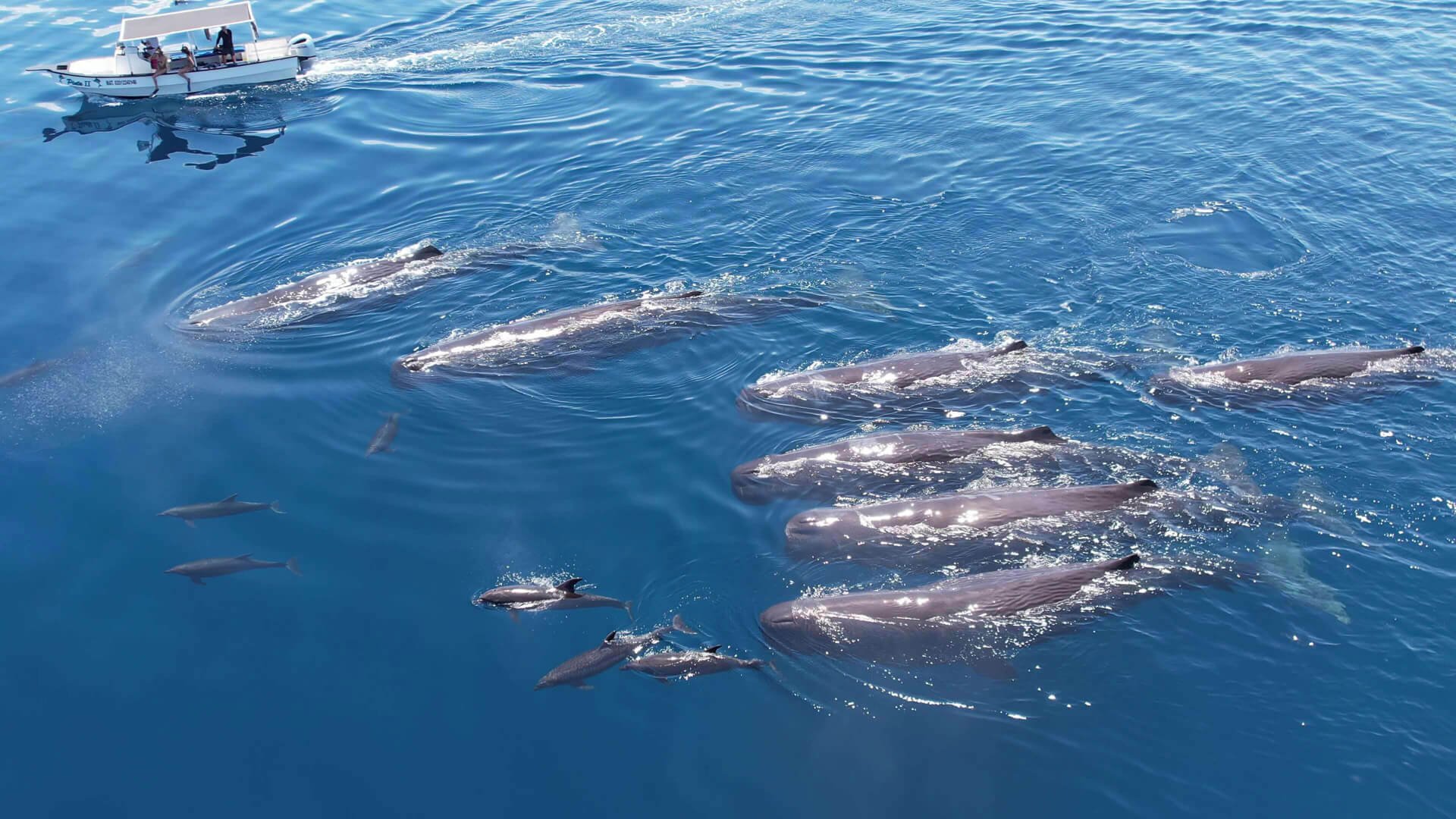
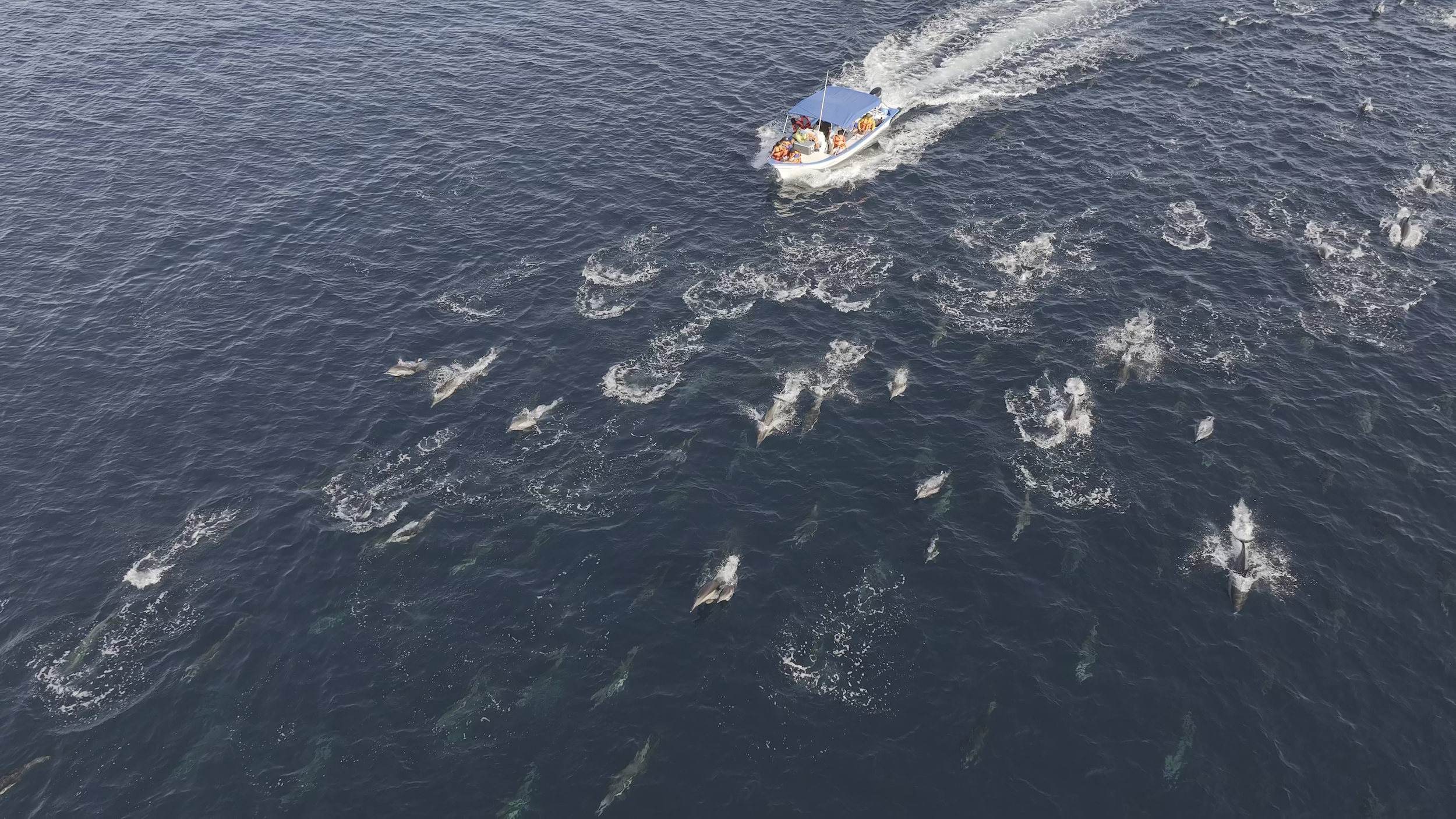
Arguably the best dolphin encounters of the year happen in summer. Bottlenose, common, spinner, Risso’s and pantropical spotted dolphins are all active, and with fewer boats on the water, pods stay with us longer. It’s not unusual to spend 30+ minutes watching a pod of 200+ dolphins around the boat, riding the bow, socialising, doing dolphin things without any pressure.
Whales
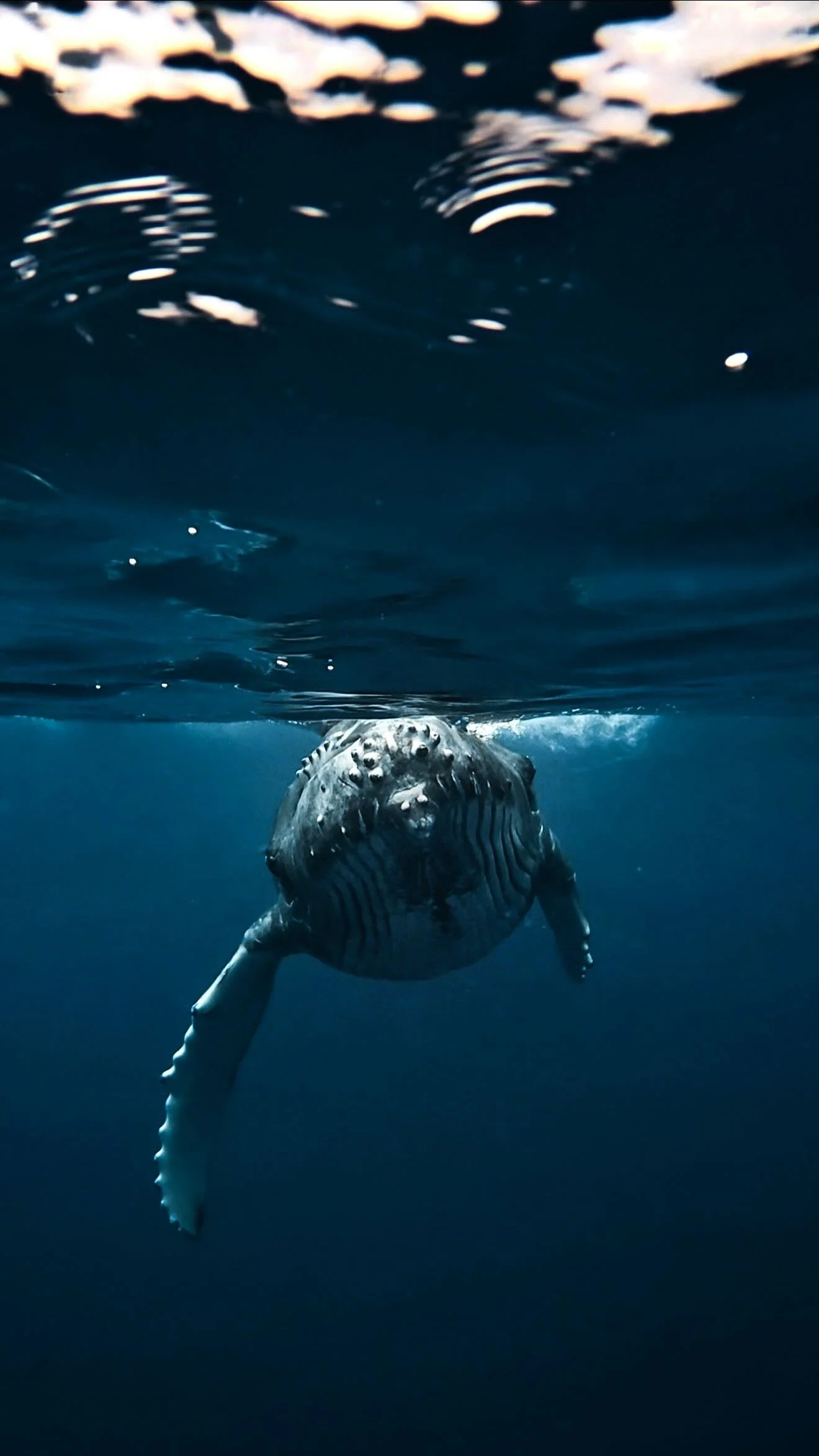
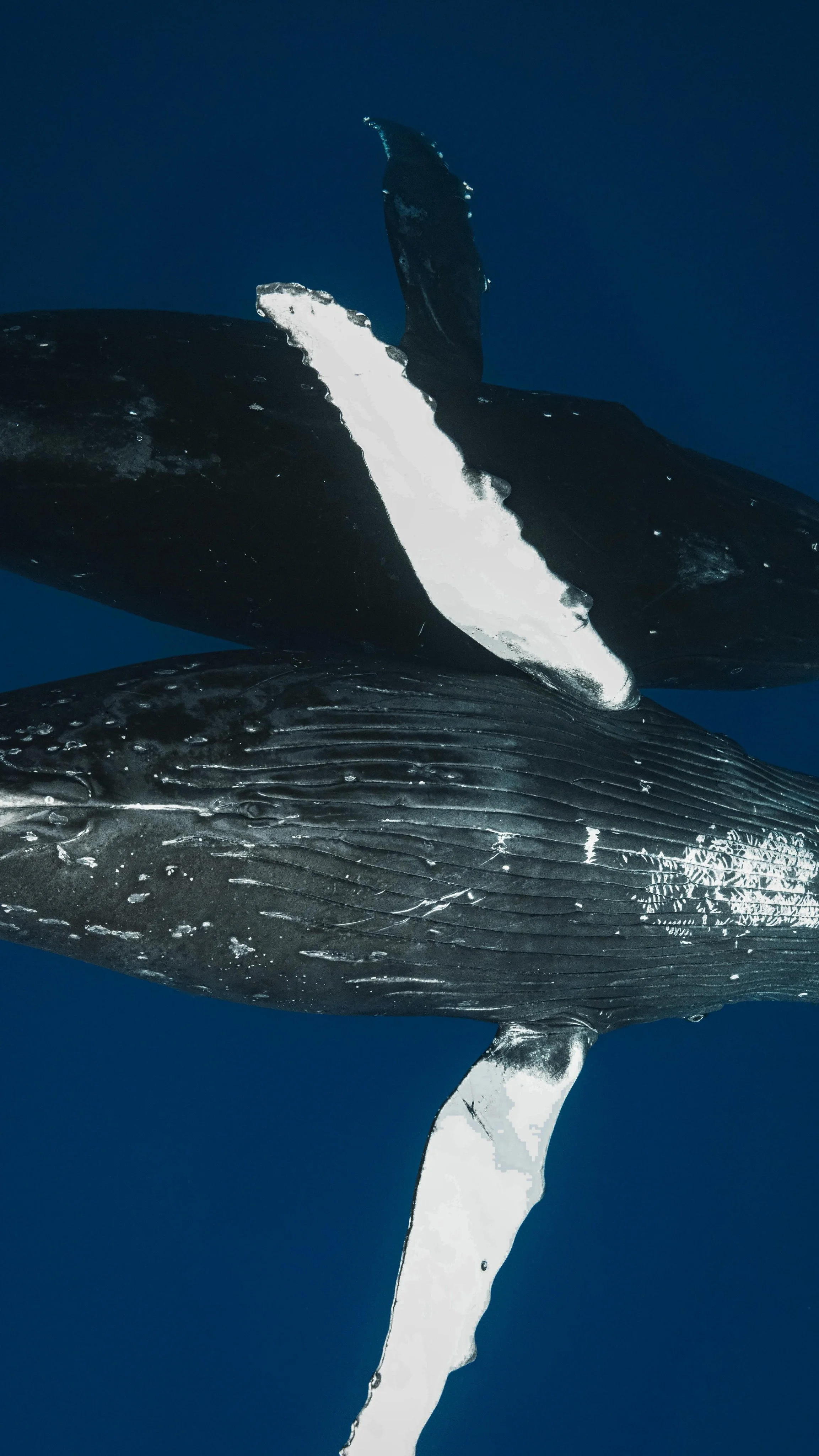
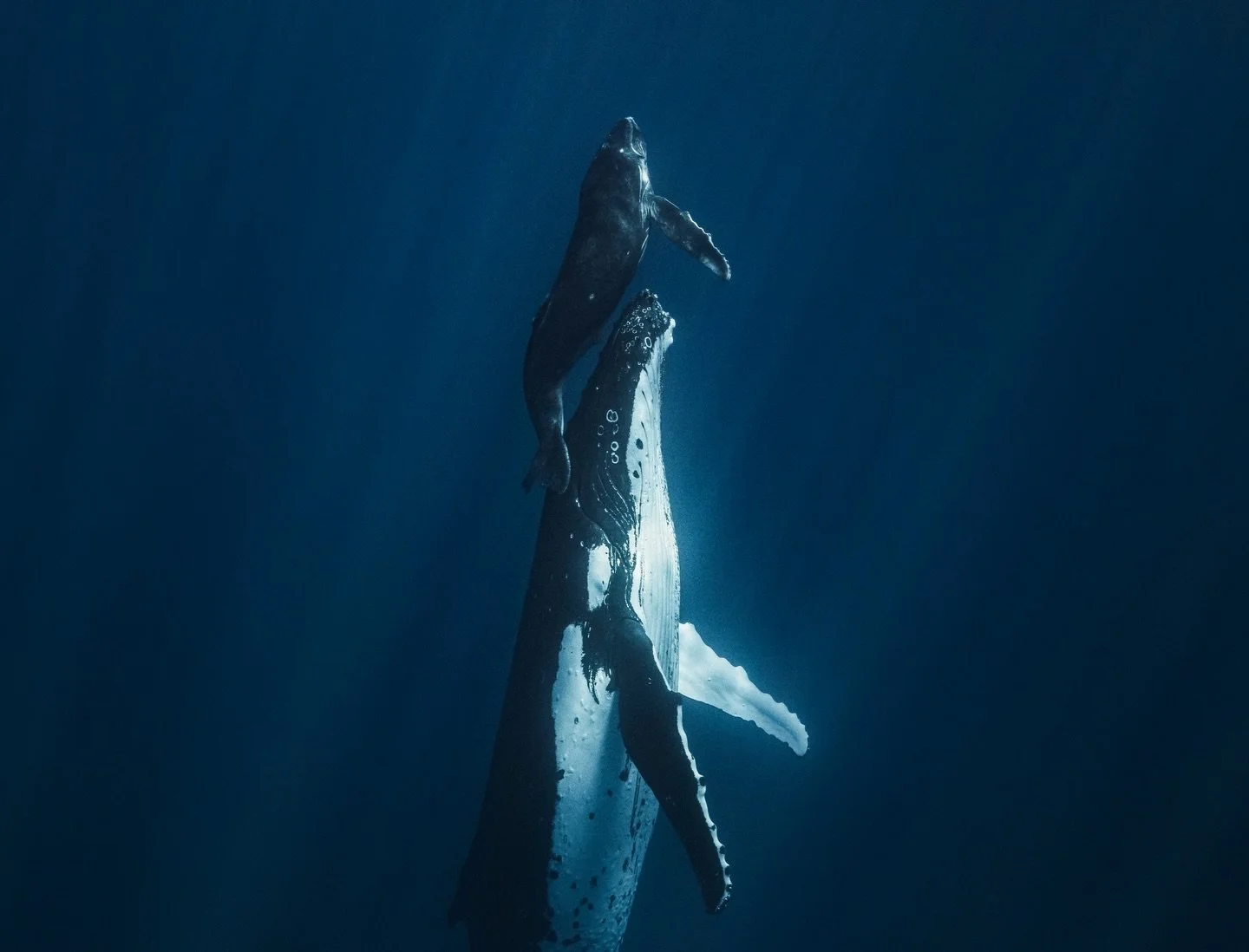
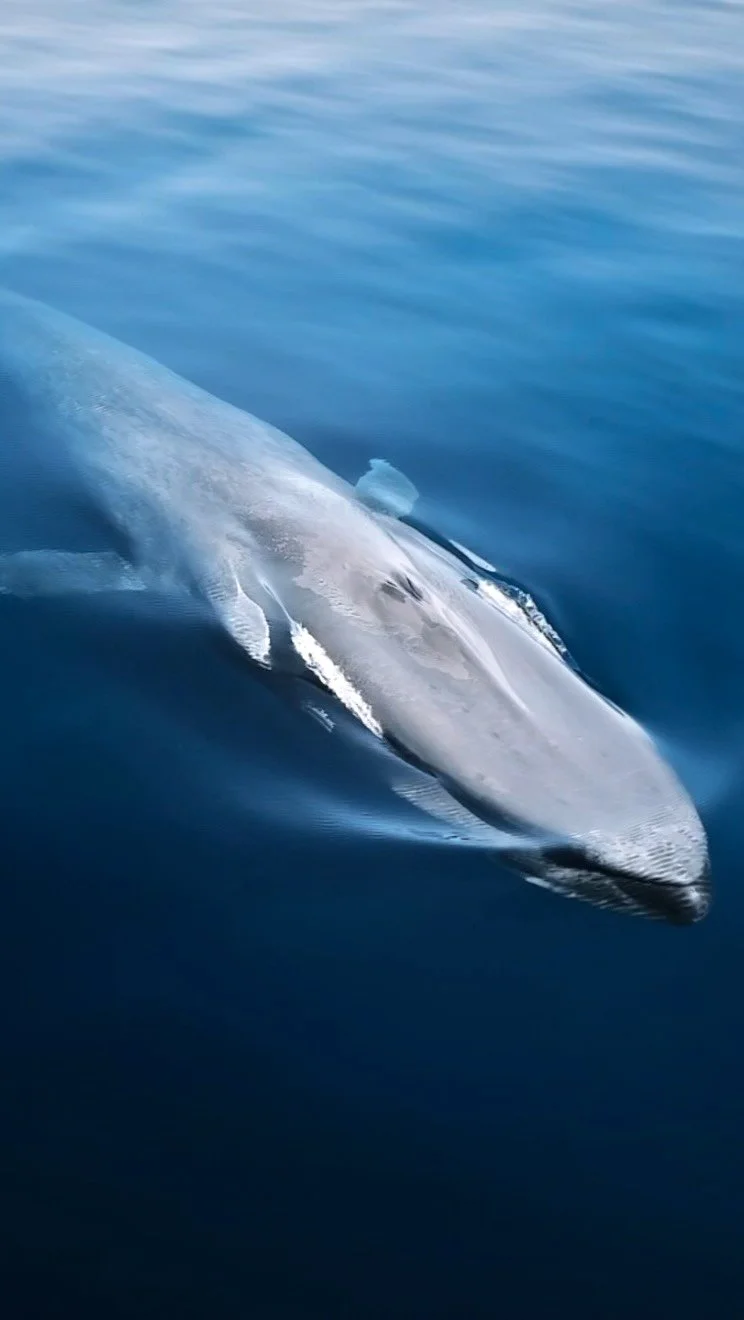
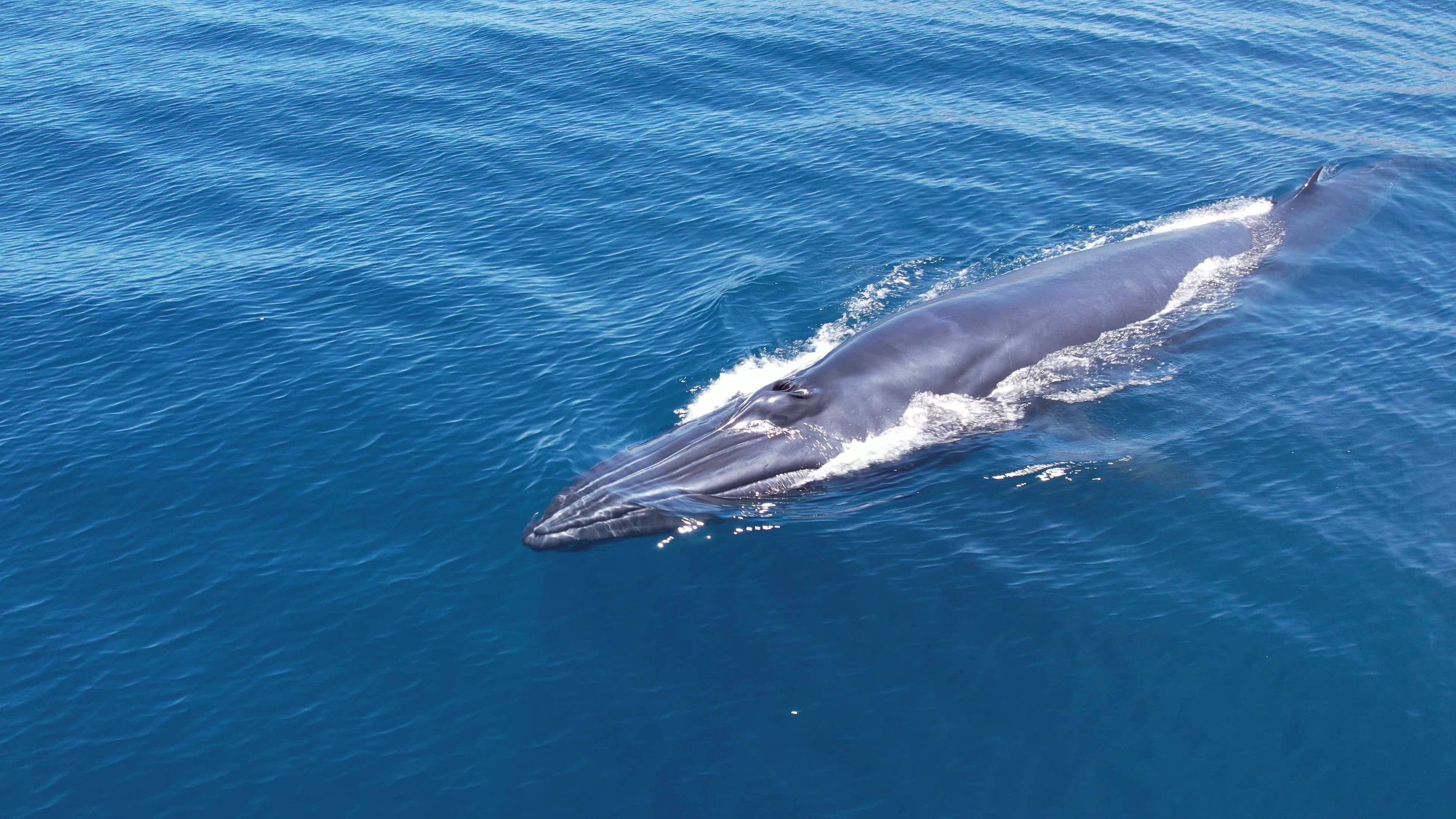
Sperm whales, Bryde’s whales, and the occasional humpback still cruising through. Blue whales are less common in summer than in peak mobula season but do sometimes show up. Sperm whale encounters in particular can be extraordinary in the calm summer conditions, hydrophone listening is genuinely magical on a still morning.
Orcas
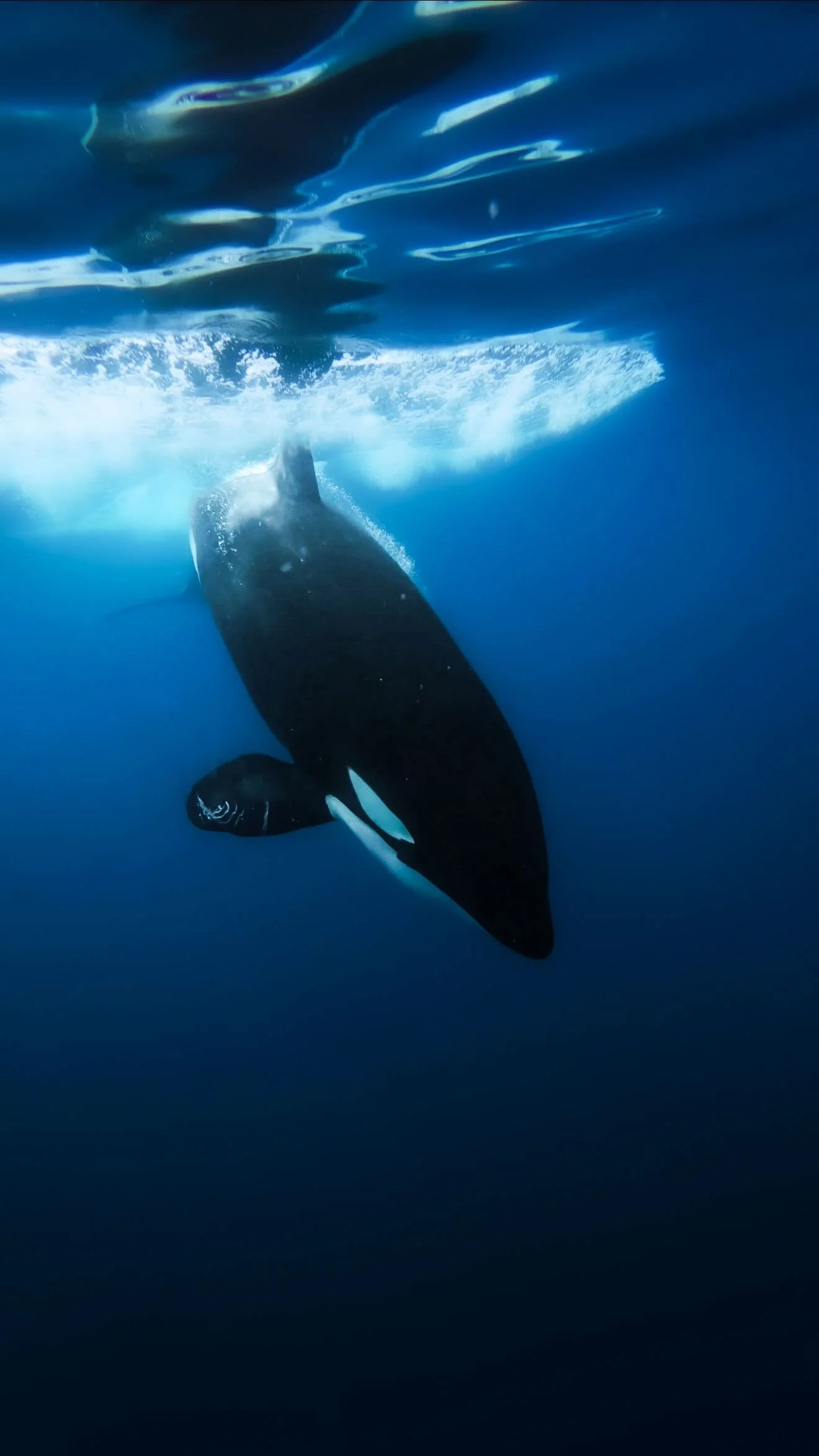
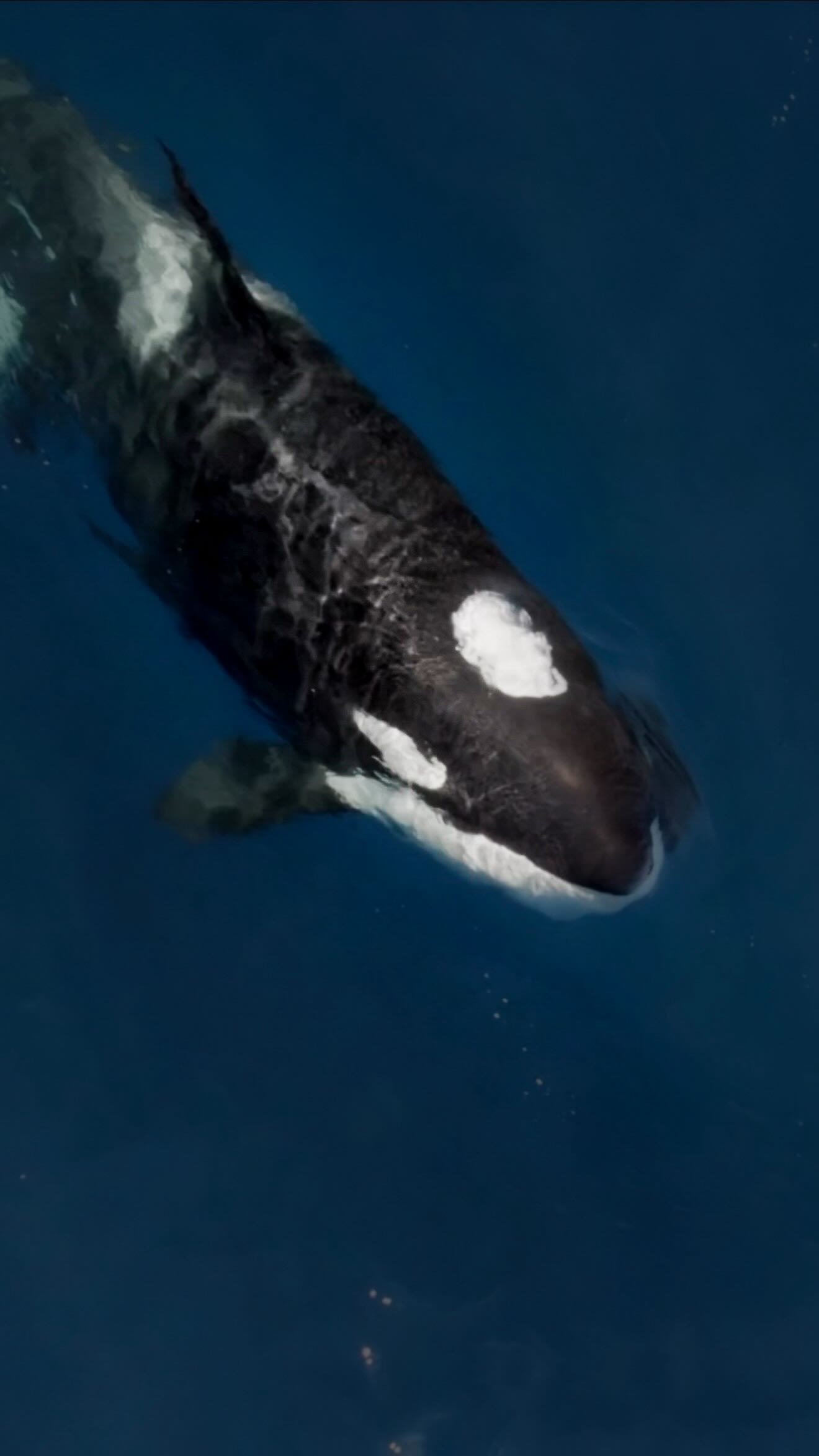
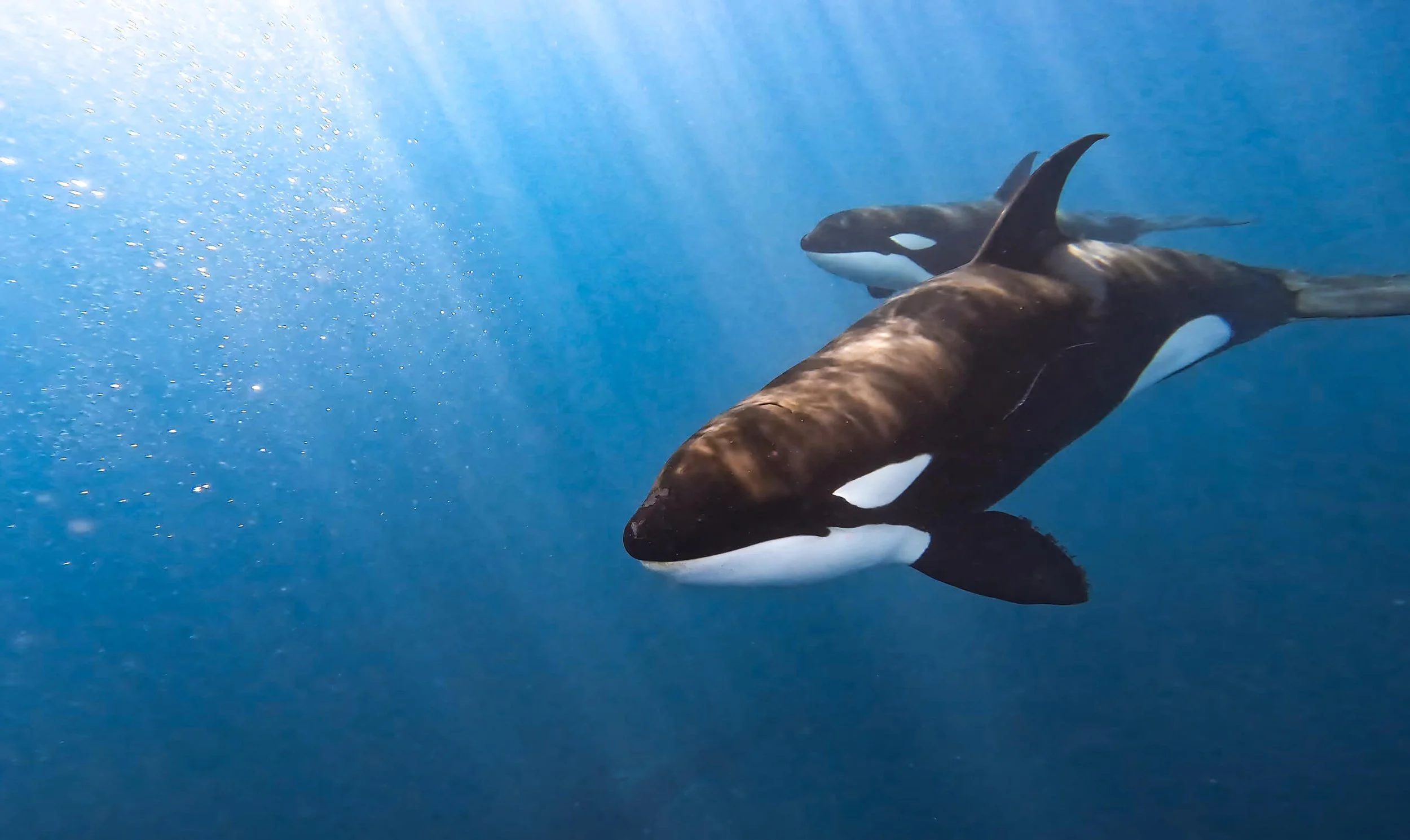
Yes, still possible. In fact, some operators (ours included) would argue that late June through August can be one of the better windows for orca encounters, because the water is calm, the visibility is good, and the pressure on the pods from multiple boats is lower. But, and we’ll keep saying this, do not book this trip just for orcas. Read what most people get wrong about orcas in Baja for the honest numbers. Orcas are a possible bonus. They are not the only point.
Pilot Whales
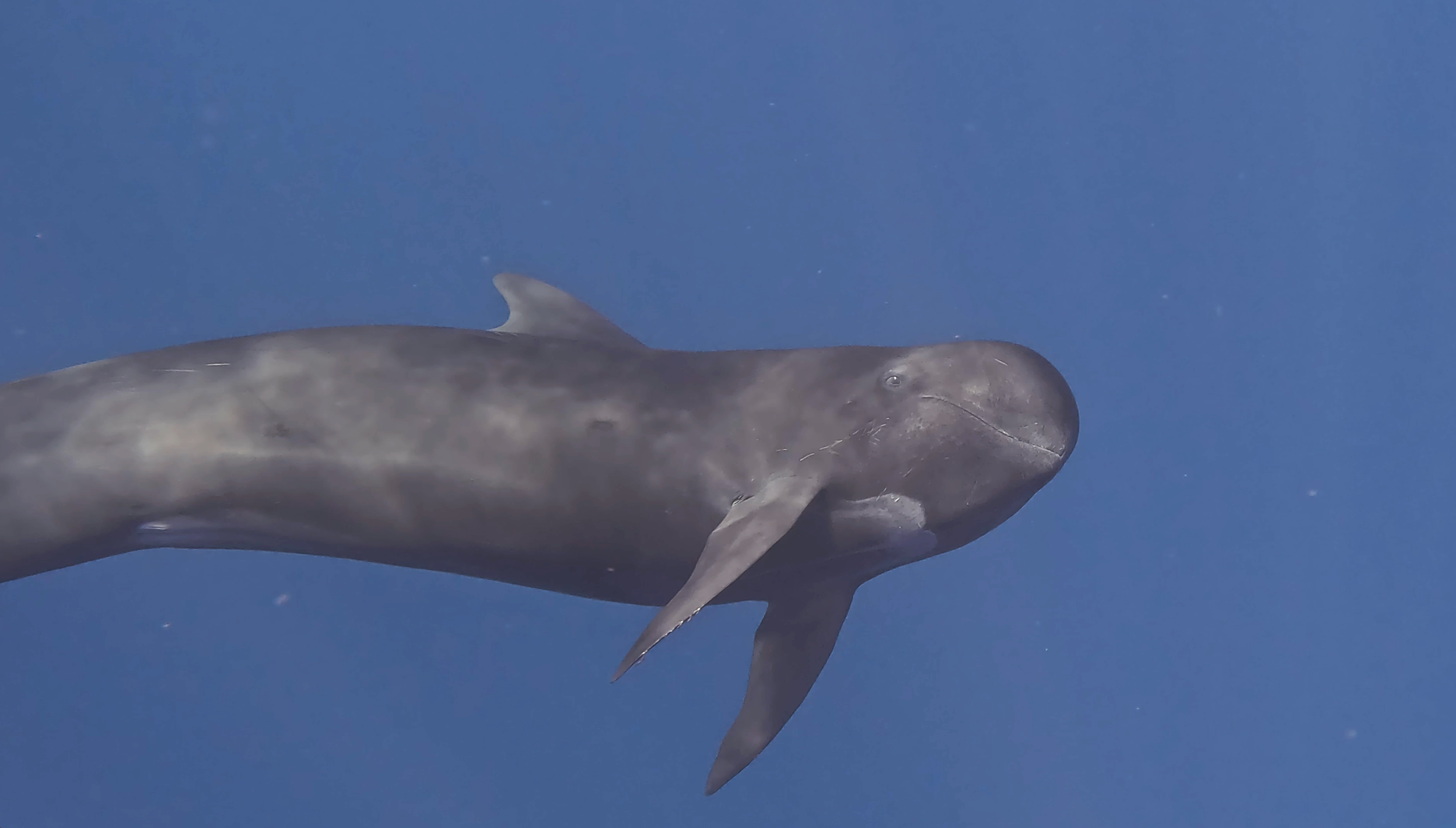
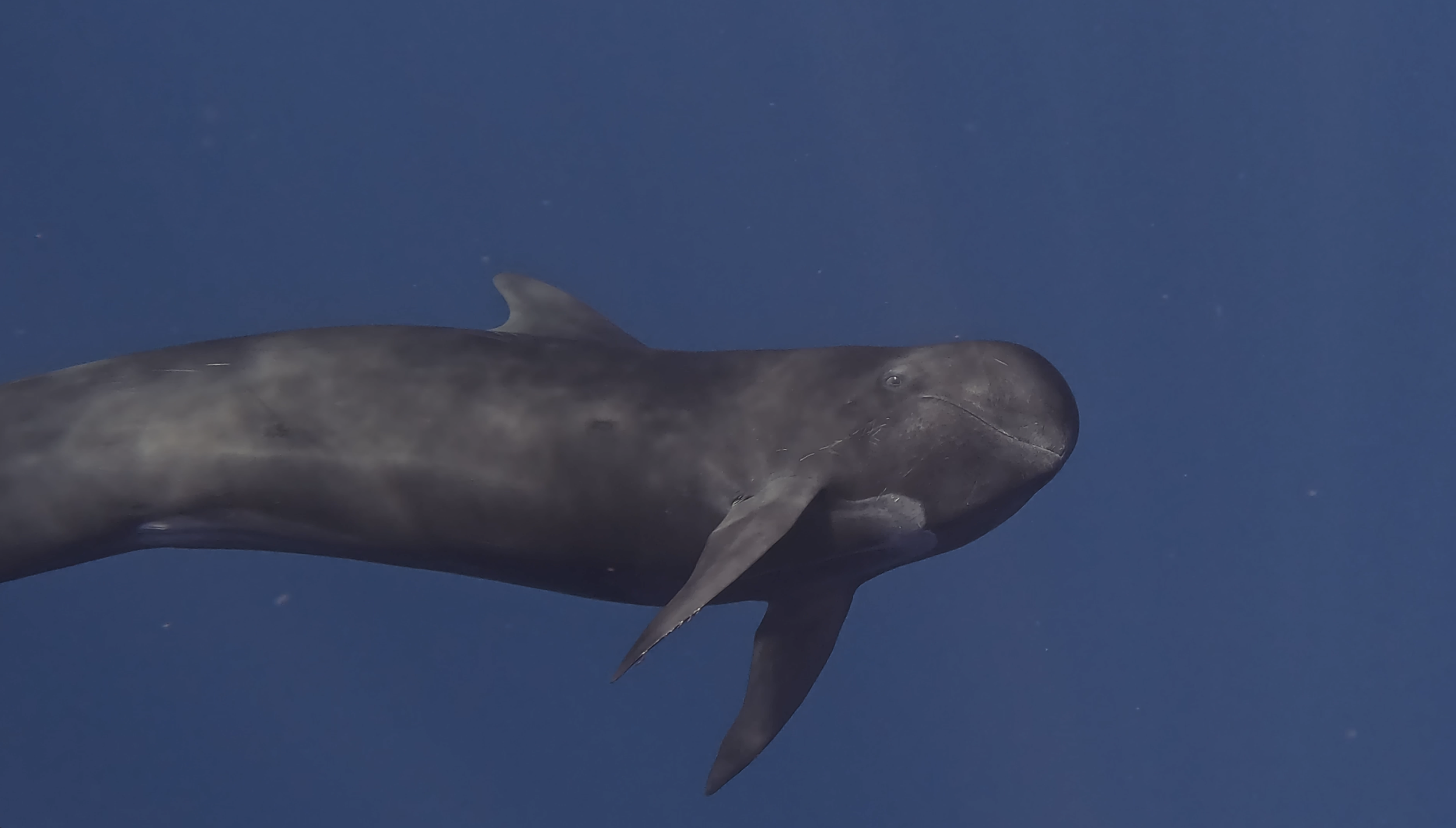
The summer months are the best time to see pilot whales, we don’t see them weekly but they do randomly decide to show up, sometimes in huge pods.

Mobula rays
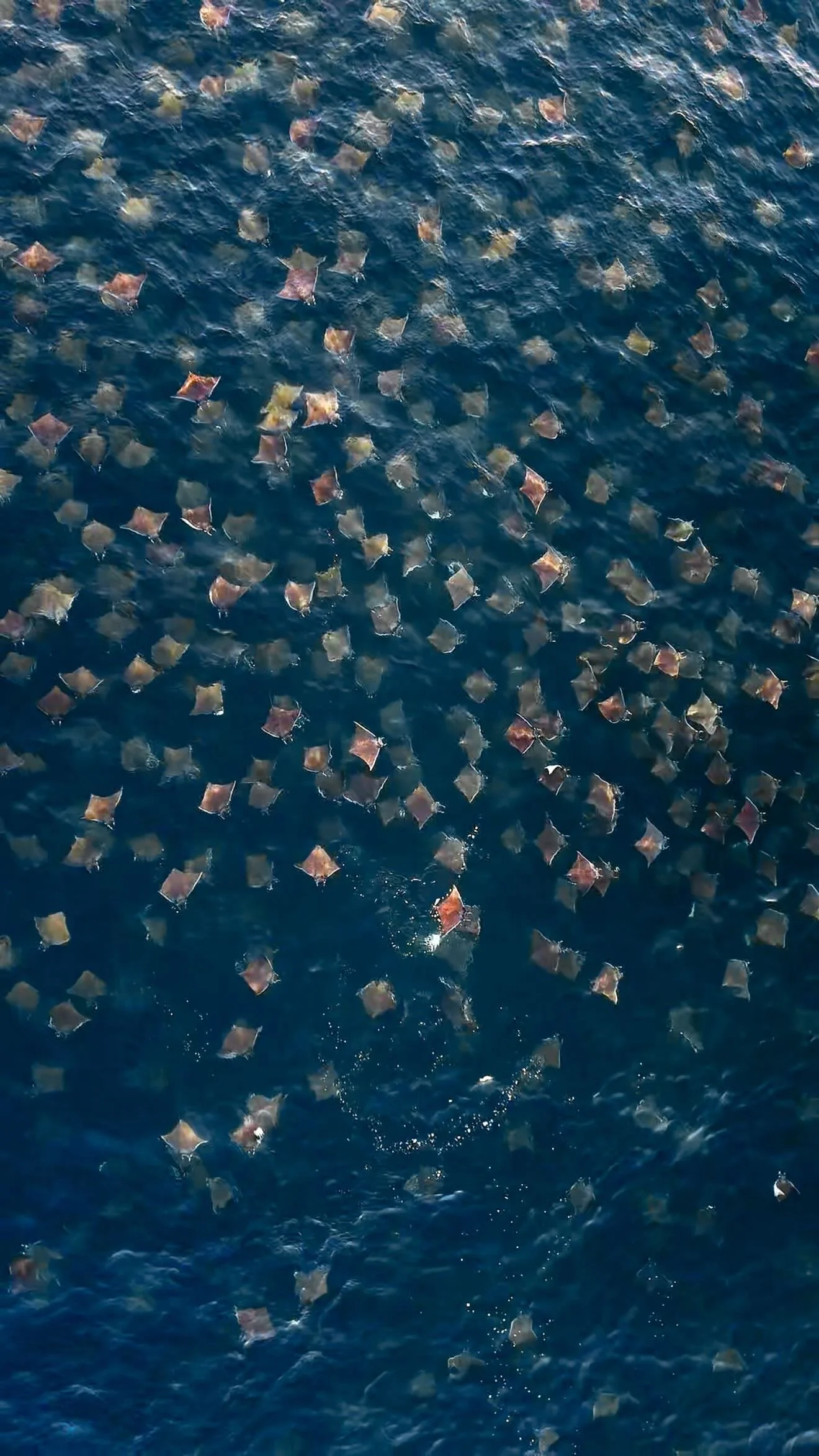
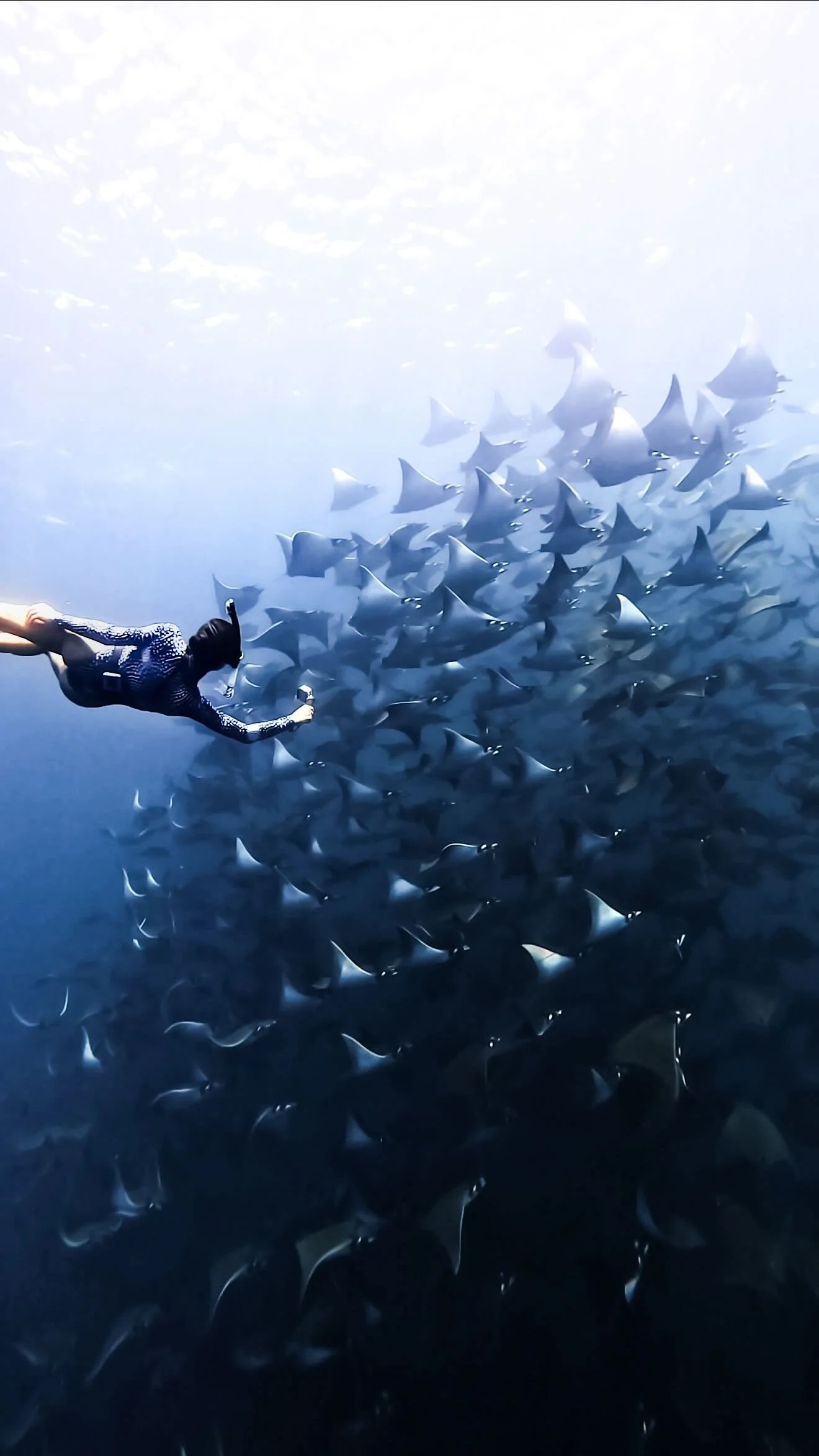
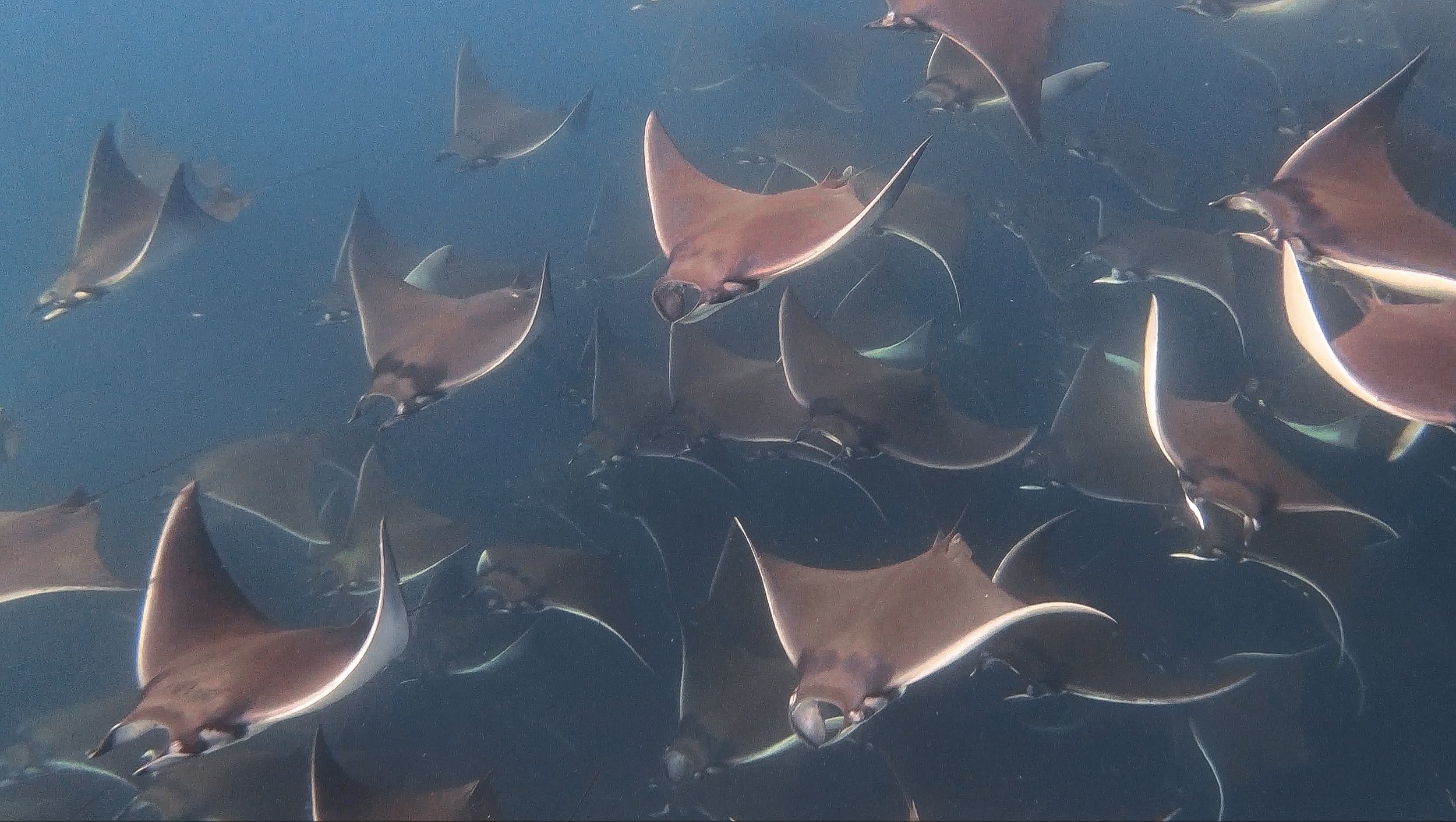
The big fevers have largely moved on by July, but smaller groups of individuals often hang around. You might not get the huge numbers of peak season, but you could still encounter them. Other species of mobula rays such as the spinetail, sicklefin, and bentfin can make a more common appearance than their munkiana cousins.

Sea lions
Proper full-on summer sea lion experiences. Pups are playful, adults are active, and colonies like La Reina and Los Islotes are exceptional for snorkelling — though note Los Islotes is closed during the sea lion breeding season (June 1 through August 31)
Whale sharks
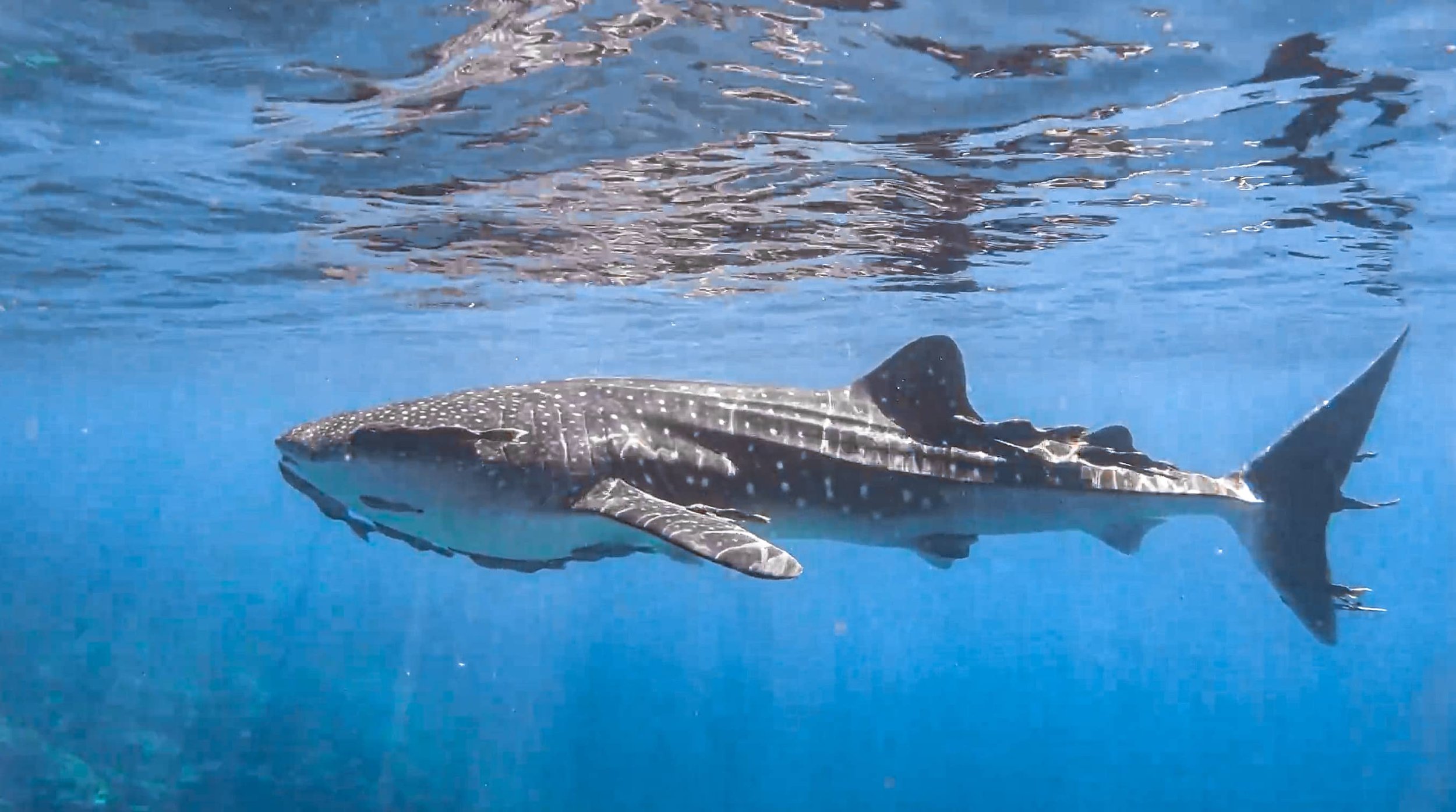
They come and go. Summer isn’t prime whale shark season in the La Paz, but it can be a great time to see them around La Ventana. They do pass through, and sightings during the Safari expedition are genuinely possible.

Oceanic manta rays
Less common in the Sea of Cortez directly but worth mentioning — individuals do appear in various areas around La Ventana such as at La Reina, La Reinita, Punta Norte, Punta Sur, El faro and Playa Turquesa. The more reliable manta experience is on our Socorro Islands Liveaboard.
Other surprises
Beaked whales, Dwarf sperm, Bait balls, Pelagic fish, and so much more!
The overall point: this expedition is a sea safari. Same framing as the Mobula Ray Migration you go out every day, you search, you see what the ocean shows you. In summer, what it shows you tends to be a bit quieter, clearer water, and more intimate than the spring version.
Why we’re careful about how we promote this trip
Full transparency: I’m slightly torn about writing this article at all.
Here’s the dilemma. The Sea of Cortez in summer is genuinely incredible, but with the crowds leaving, and our local team still having bills that need paying, we want to make sure that we are still providing work for captains, guides, chefs, and on the ground staff. Without this work they may need to go back to commercial fishing, or go months without any solid income. That’s why we run the Safari expedition and that’s why you’re reading this piece.
But the moment a season gets widely recognised as a quality time to visit, what happens? Operators flood in. Boats multiply. Crowds return. And the thing that made summer special, the breathing room, the quiet water, the animals that have relaxed, starts to disappear.
So here’s the honest version: summer is wonderful, but it is very hot and most things in town are closed. Very few restaurant options, very few accommodations. There are power blackouts, so imagine living in scorching heat at night with no air-conditioning. These are all factors that we must consider.
What I can tell you is this: while it is a great time to see marine life, you must be prepared for the harsh conditions that come with it. This time of the year isn’t for everybody and only the true adventurers should join.
The 5-day vs 7-day question
The Safari runs in both 5-day and 7-day formats. If you can swing the 7-day, do the 7-day. Summer weather is stable but not guaranteed, the odd hurricane-adjacent swell or surprise storm can cost you a day, and two extra days on a 7-day trip gives you the buffer that a 5-day doesn’t have.
The 5-day works if genuinely you can’t stretch to seven. We don’t hold it against anyone. But the 7-day is the sweet spot and that’s where we point most guests.
And with two extra days thats a lot more chance to see more animals, and thats what you’re here for after-all!
Who this trip is for (and isn’t)
Who it’s for:
Wildlife photographers and videographers who want cleaner, quieter conditions for their work.
Freedivers and snorkellers who prioritise encounter quality over species volume.
People who’ve already done the mobula migration and want to see the Sea of Cortez in a different mood.
First-timers who like the idea of the Sea of Cortez but hate crowds.
Anyone who’s had enough of peak-season chaos at popular destinations and wants the same biodiversity in a quieter setting.
Who it’s not for:
People who only want to see orcas. Go to Norway with One Xpeditions instead.
People who need the drama of peak-season mobula fevers. Book Mobula Ray Migrationin spring instead.
People who melt in heat. It’s genuinely hot in July and August, and if that’s a non-starter for you, consider the shoulder-season mobula trip instead.
FAQ
Is July really a good time to visit the Sea of Cortez?
Yes, genuinely. Fewer boats, better visibility, calmer water, and almost all the species still active. It’s one of the better-kept secrets in Baja wildlife travel.
What’s the weather like in summer?
Hot. Very Hot. Humid. Calm water most days. Occasional storms as hurricane season starts up in August. We plan routes around weather and will always make the safer call.
Will I see mobula rays in summer?
Smaller numbers than peak season, but sometimes yes. The giant fevers are mostly gone by July, but individuals and smaller groups stick around.
Can I see orcas on this trip?
Possibly. No guarantees. Sightings remain rare and unpredictable. If orcas are your only goal, this is the wrong trip for you. Go join One Xpeditions in Norway instead
Is this trip suitable for kids?
We consider it case by case. The heat is intense and the days are long on the water, so we generally recommend it for confident older kids (12+) and adults.
Should I do the 5-day or 7-day?
7-day. The extra days help with more chance of seeing more animals, its also a good buffer against weather and the deeper rhythm with the area make it the clear winner. 5 days are also great for if you don’t have the time for the full 7 days.
Is it cheaper than the Mobula expedition?
Slightly, yes. Aimed at more budget traveler, the accommodation is comfortable but not as luxurious as the Mobula Ray Expedition, but we still offer the same 5 star service. We cap numbers and don't run it as a high-volume product.
JOIN US!!
If the idea of the Sea of Cortez without the peak-season chaos appeals to you, join our Sea of Cortez Safari expedition July through August, 7-day recommended, small groups, one of the quieter ways to experience Mexico's most biodiverse marine environment. Spots are limited on purpose.
Check out our Wild Encounters on Instagram