An honest breakdown from an operator who’s tired of watching people book the wrong trip for the wrong reasons.
Intro
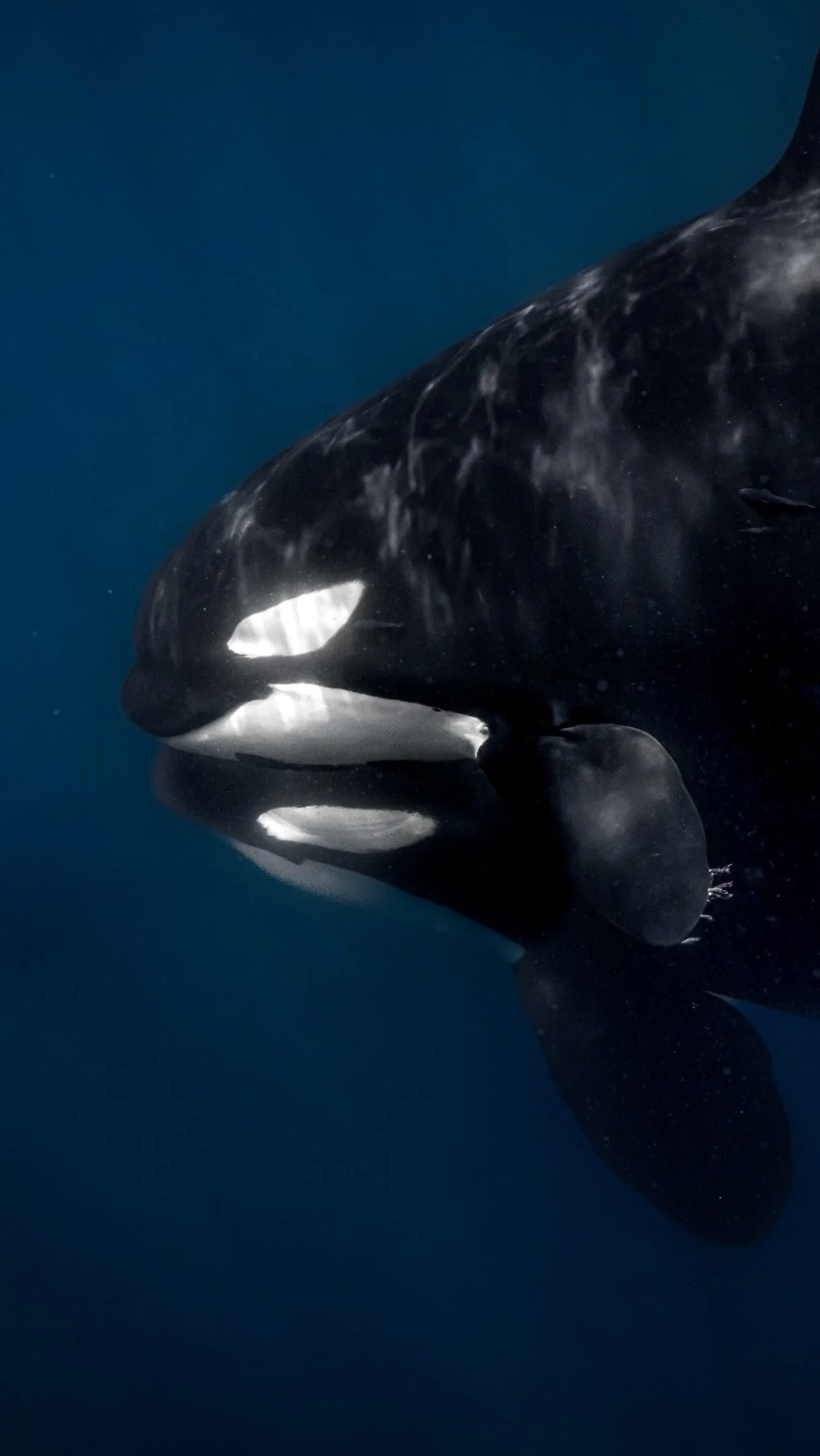
Open Instagram, type "orca Baja" into the search bar, and you'd think the Sea of Cortez is basically a killer whale theme park. Reels of orcas lunging at mobulas. Drone shots of two metre dorsal fins cutting through blue water. Snorkelers eye-to-eye with a passing pod. Every single clip looks like a Tuesday afternoon. It really isn't!
The reality of orca encounters in La Ventana is this: even for operators who go out every day, every week, for months on end, we see orcas roughly once every seven to ten days on average during the months of April to August. Sometimes more. Sometimes it's two weeks of nothing, then three pods in a week. During the rest of the year it's even less, we go months without a trace of the sea pandas! Nature doesn't give a sh** about your booking window!
That gap between what people see on social media and what actually happens out here is the single biggest reason guests end up disappointed on a Baja trip. So let's talk about it honestly, because not many others in the industry seem to want to.
Are Orca Sightings Guaranteed in Baja?
Here's the honest number, based on our own trip logs and what other reputable operators in the area have shared: orca sightings in the La Ventana / Cerralvo channel area happen on roughly 10–15% of boat days during peak season (April through August). That's an average. Some weeks we see them four days in a row. Some weeks we don't see them at all.
There's no pattern that guarantees it. No insider trick. No secret spot that reliably produces orcas — despite our April Fool's post!!! Anyone telling you otherwise is selling you the dream. There is no such thing as an orca tour.
When we're lucky, we find a pod actively hunting mobulas, which is one of the legendary behaviour that made this place famous in the first place. When we're really lucky, conditions align for in-water encounters under the new regulations (more on those below). But most of the time, on most days, we're running a sea safari and orcas are one of maybe twenty plus species we might encounter.
Why social media lies about this
It's not a conspiracy. It's just how the platform works. Social media is a highlights reel. If you was buying/selling a house, you wouldn't want to see the worst images on the brochure would you?
An operator running trips 5 days a week for 6 months sees orcas maybe 20 times in a season. They post every single one of those 20 encounters. They don't post the other days where nothing special happened. So the feed you see is the greatest-hits compilation of a whole year compressed into what looks like a weekly occurrence.
Then to add onto that, each encounter can be filmed in multiple ways: drone, underwater, boat-level, slo-mo, highlight reel, etc. A single genuinely rare day of interaction can become 20 different pieces of content spread across the season. Multiply that across every operator in the area and the algorithm is drowning in orca footage that represents maybe 2% of the actual reality on the water. This isn't blaming other operators, we are to blame as well, we would be hypocrites to say that we are not a part of the problem. We have thought long and hard about this, and our take on it is that if we don't show case our best work, then the viewers may go to an operator that posts orca all the time and cuts corners on ethics, which in the long run is even more damaging to the animals and the industry.

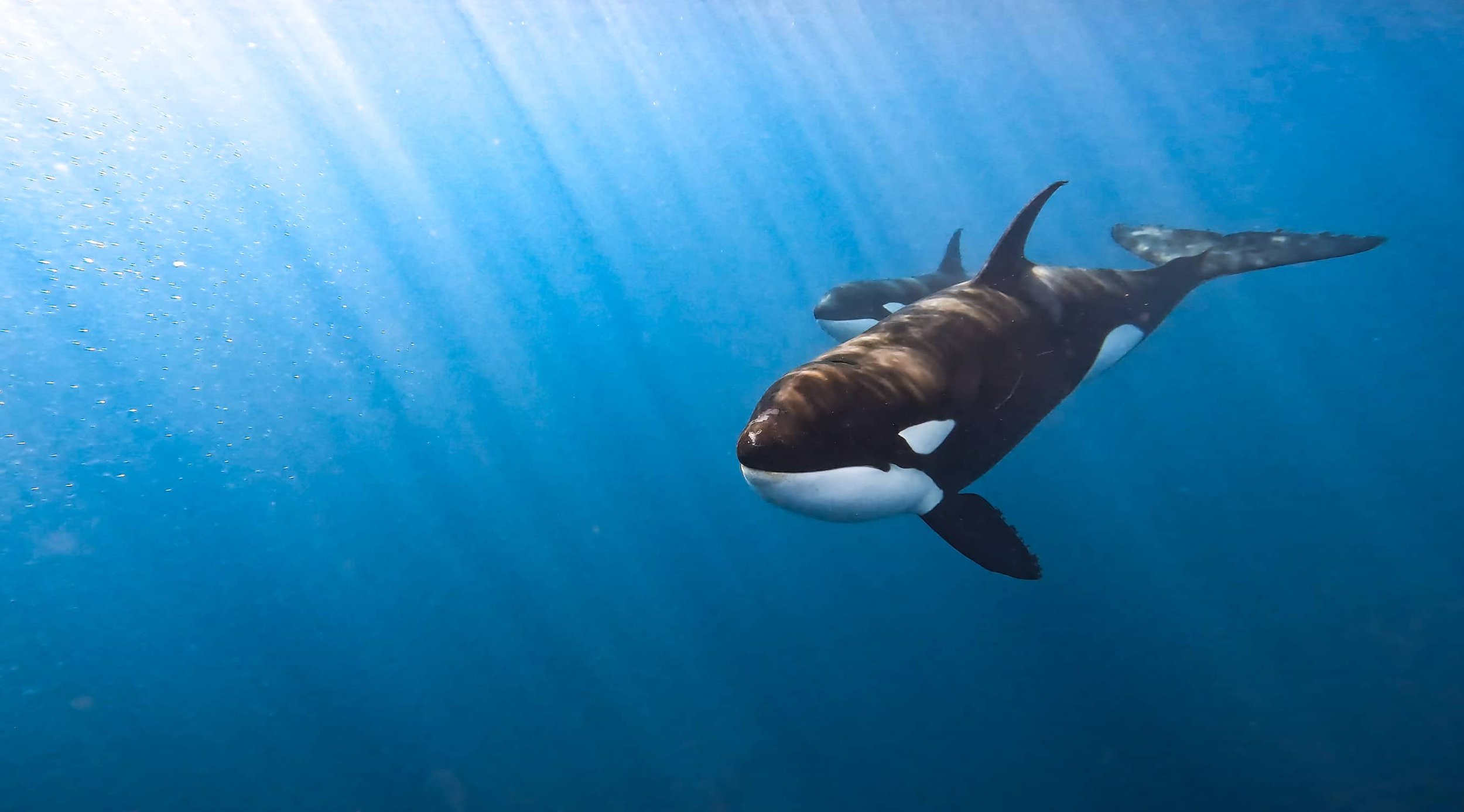
Perfect glassy conditions with a pod of orca taking a breath
What an orca obsession does to your trip
This is the part most guests don't see coming.... And often the most challenging for us operators!
When someone books a trip with their entire emotional investment pinned to seeing orcas, a few things happen.
Day one: everything else becomes a disappointment. We could be swimming with a whale shark the size of a school bus, and the guest is still looking over their shoulder wondering when the orcas will show.
Day three: tension on the boat builds. People get quiet. Crew can feel it.
Day five: if no orcas have appeared, the whole trip is remembered as a failure, even if they've seen more wildlife in five days than most people see in a lifetime.
We've watched this happen. It's genuinely heartbreaking because the Sea of Cortez almost always delivers, just not always in the exact shape people came for. The beauty of being a true nature lover is appreciating all of the species big or small, rare or common.
The opposite happens too. When guests book for the whole experience, the sea safari, the mixed bag, the unpredictability, orcas appearing becomes an extraordinary bonus rather than the thing that made or broke the trip. Those guests leave happy. Those guests book again.
What you'll actually see (if you let yourself)
During our Mobula Ray Migration expedition (April to June) and the Sea of Cortez Safari (July to August), here's what's genuinely on the table on most days:
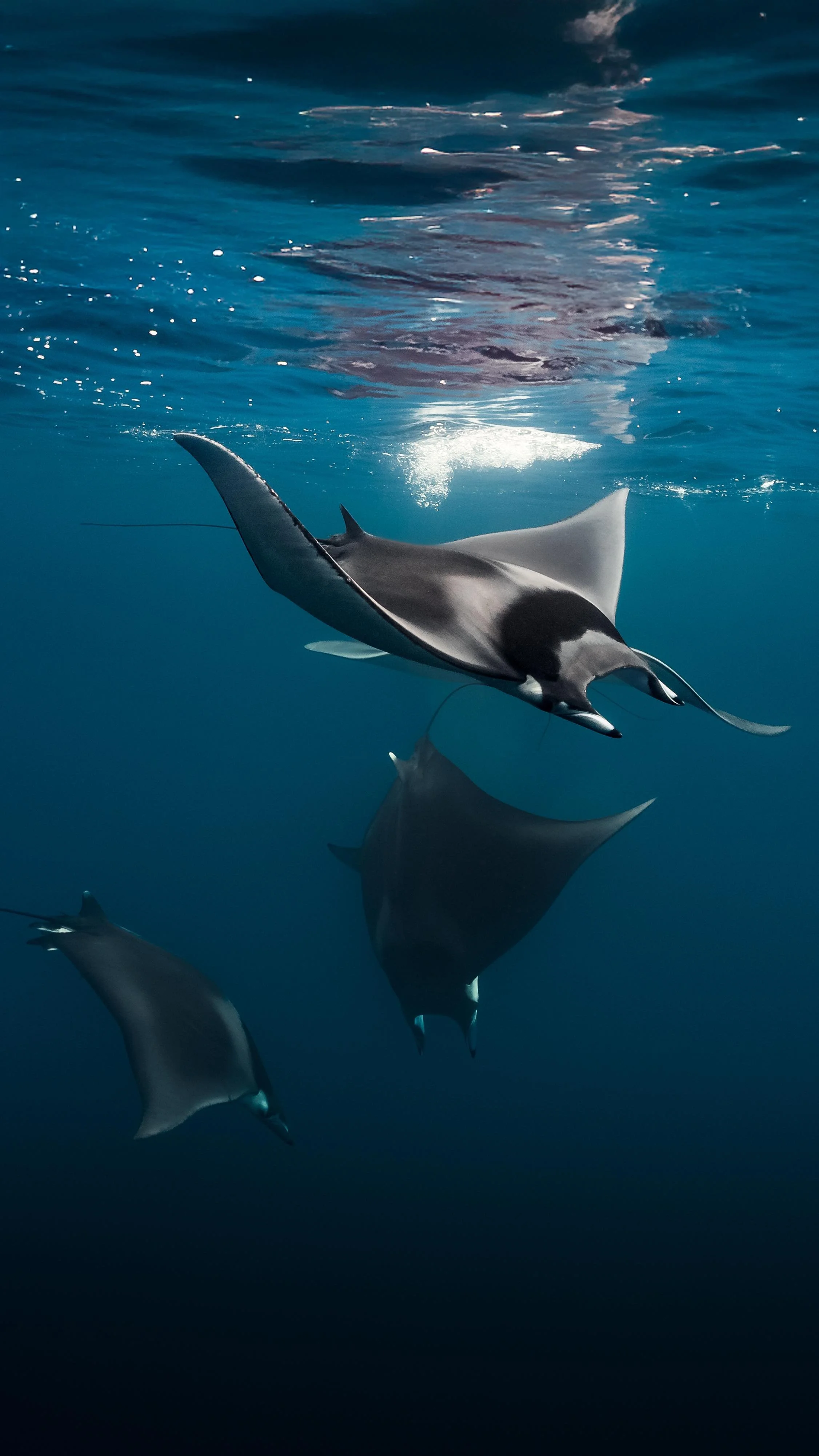
Tens of thousands of mobula rays during peak season, sometimes in fevers so big you can't see the end of them
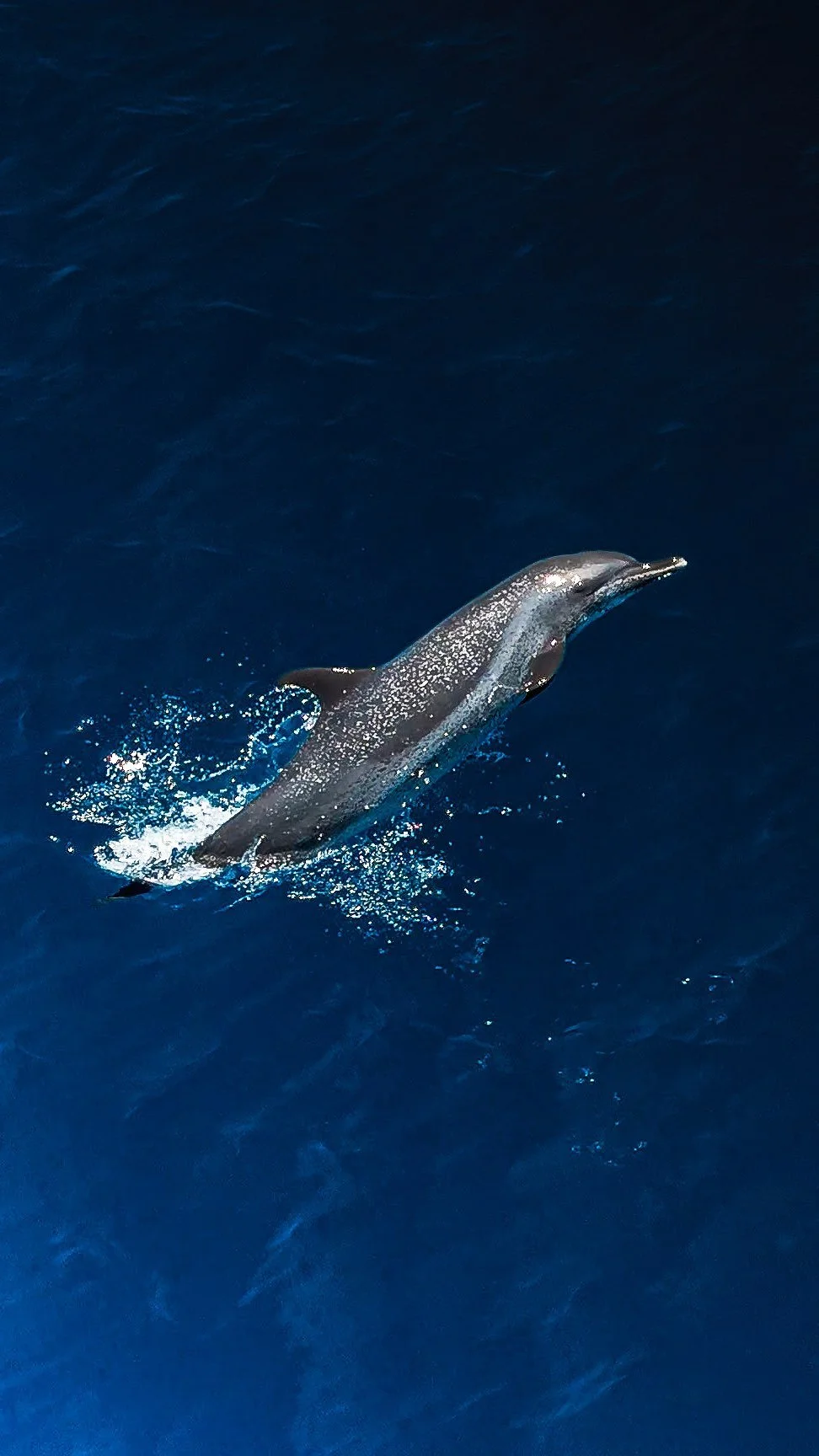
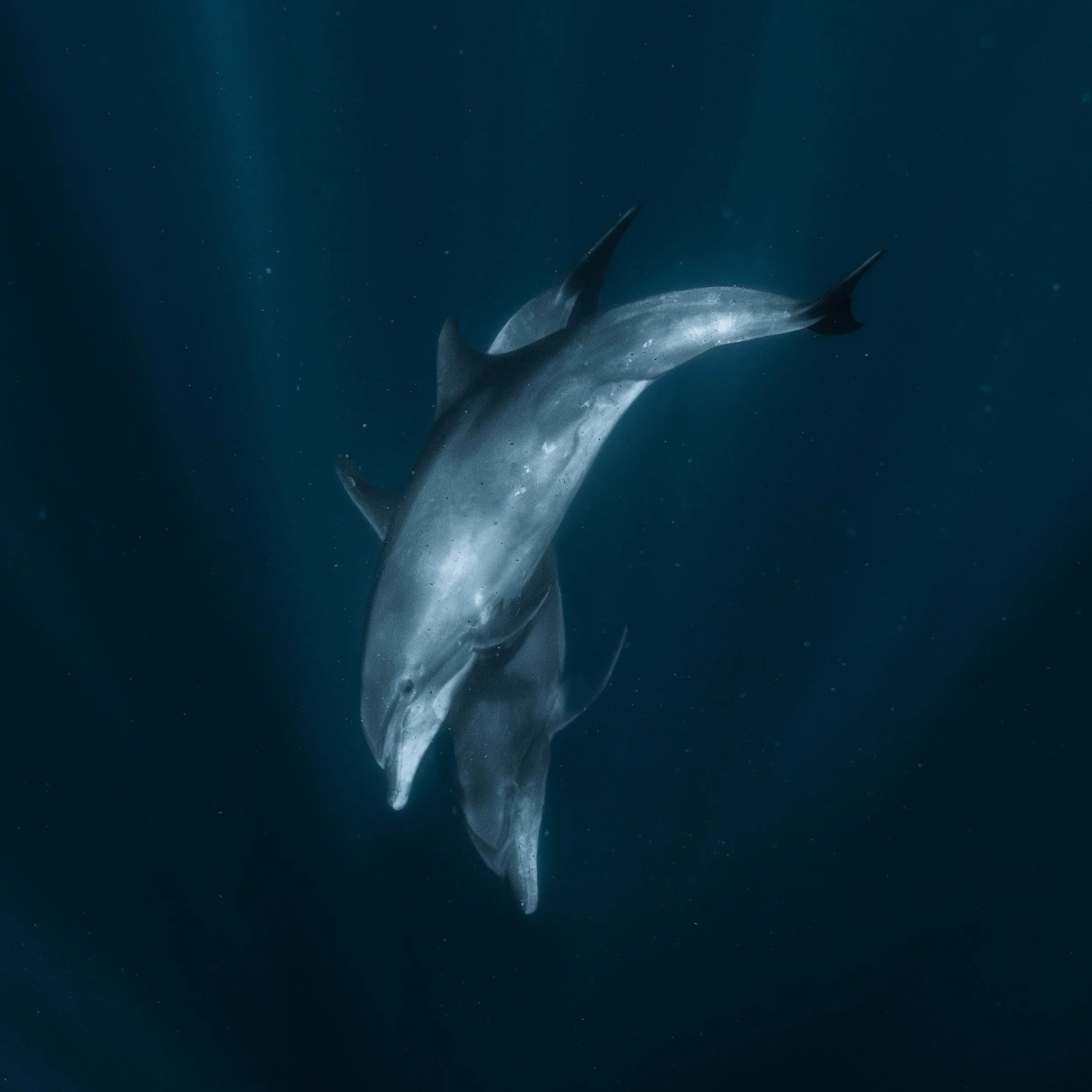
Bottlenose, common, spinner, pantropical spotted, rough-toothed dolphins (and more) — often in pods of hundreds, even thousands
Whale sharks
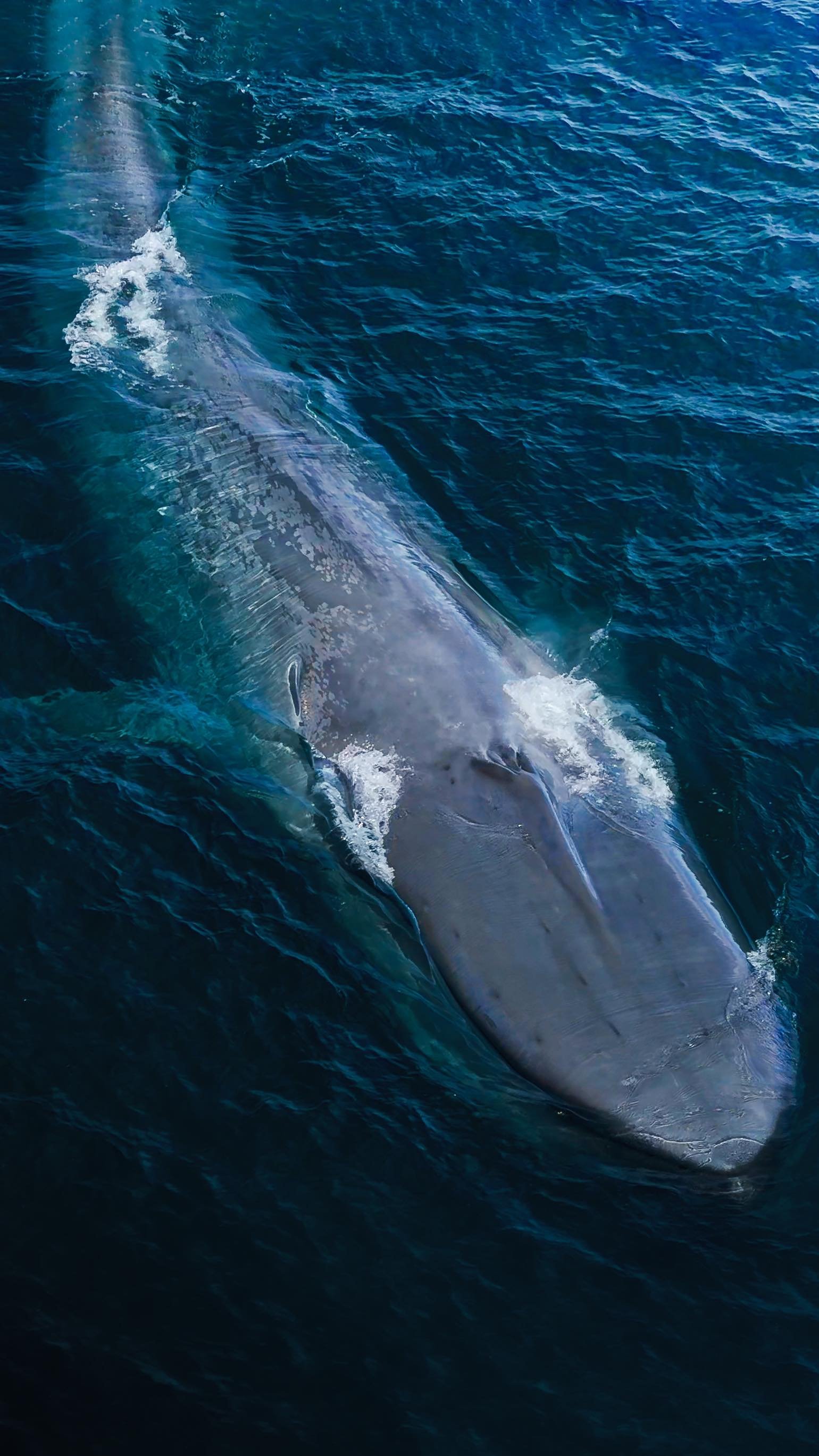
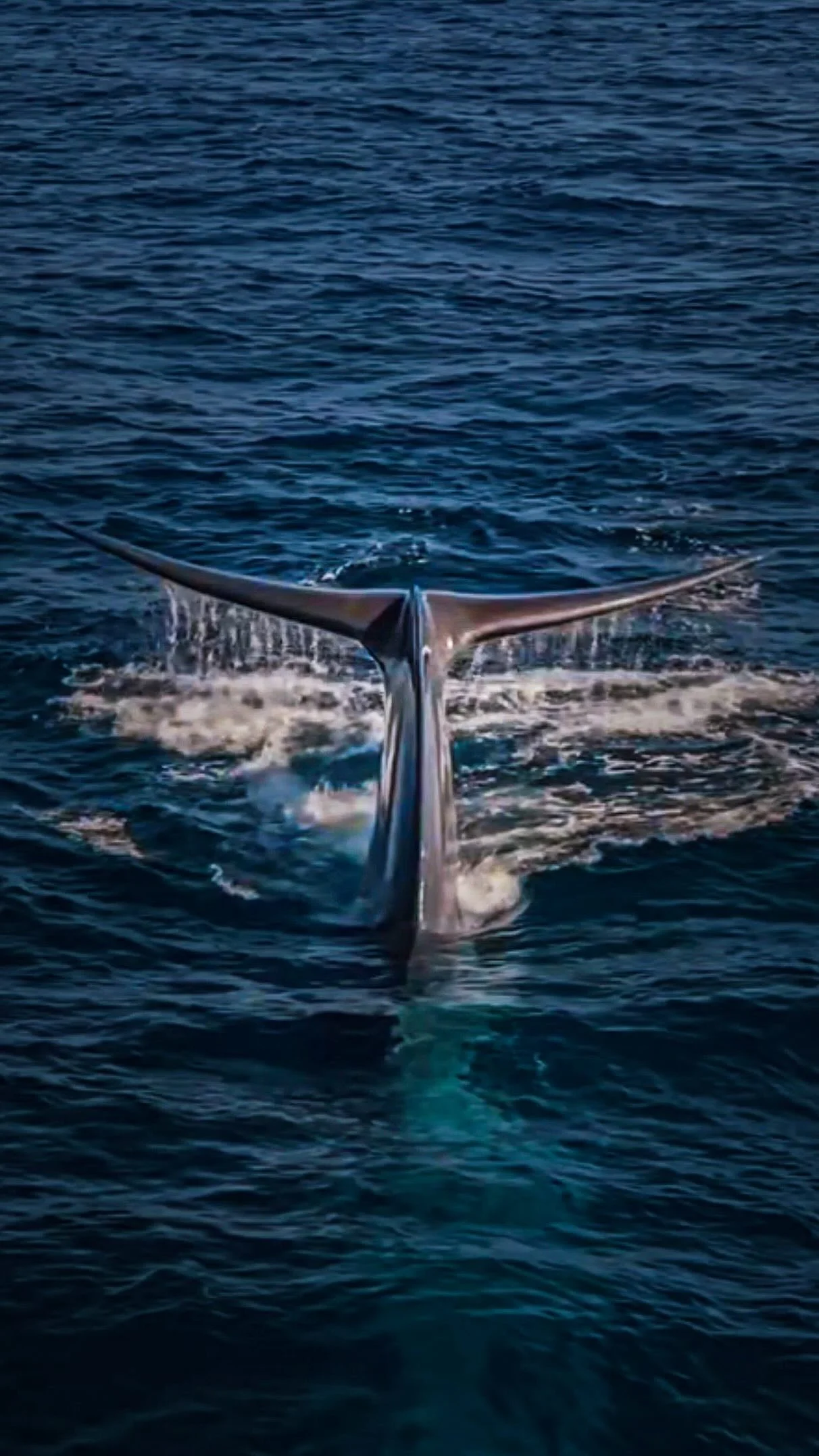
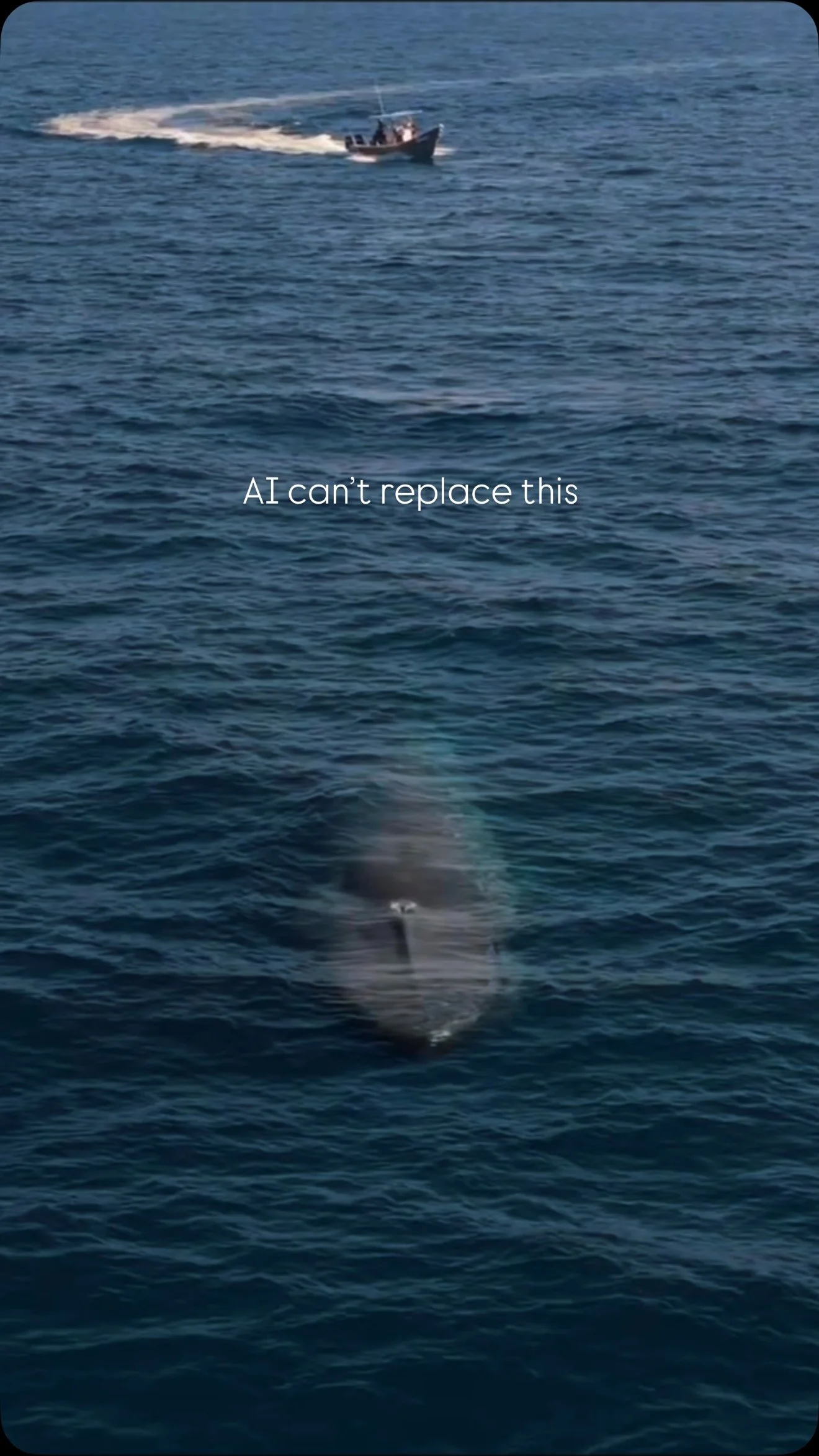
Humpback, blue, fin, Bryde's, and sperm whales
Sea lion colonies on nearby islands
Pilot whales and false killer whales
Sea turtles
Oceanic manta rays (different from mobulas) - we cover that in our Mobula Rays vs Manta Ray blog
Rare Cuvier's, Baird's, pygmy and Peruvian beaked whales
Dwarf sperm whales
Silky, mako, hammerhead sharks
Orcas, when they show up, are the headline. But they're not the whole show.
The list goes on....
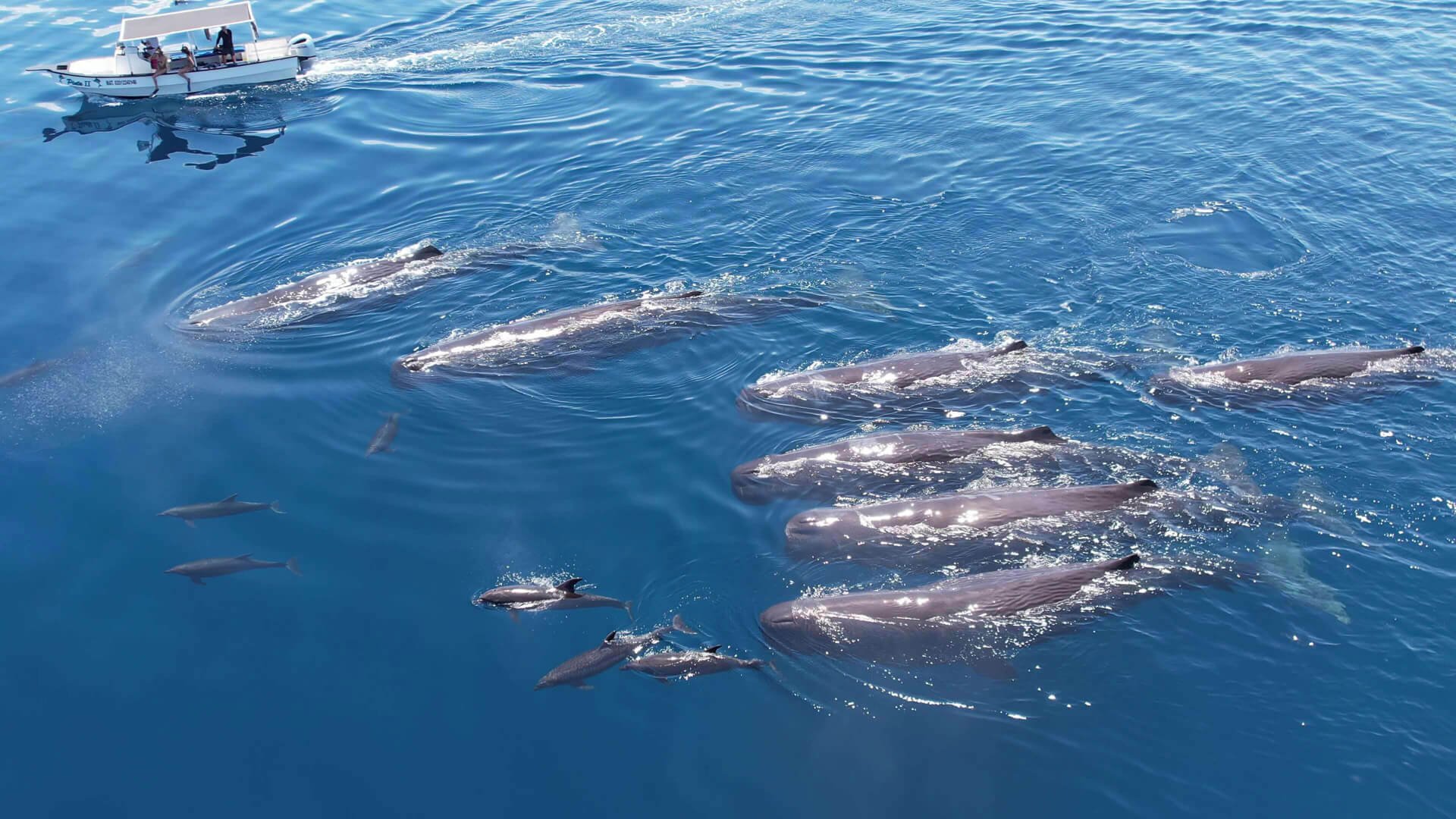
A beautiful example of the diversity in Baja. A pod of bottlenose dolphins with a pod of sperm whales.
The pressure problem
The orca hype doesn't just ruin individual trips. It's creating a serious problem for the animals themselves.
When the area blew up on social media around 2020–2021, boats started racing on any reported orca sighting at a scary rate. Videos were emerging of situations with up to 34 boats circling a single pod. Boats chasing, cutting in front of them, dropping swimmers in the water way too close, too many, too aggressively. Spotter planes directing multiple operators to the same pod.
That's not wildlife tourism. That's harassment. And it happened because every operator was under pressure to deliver orca encounters to every guest, every trip, because that's what had been sold to them.
In July 2025, Mexico's environmental ministry SEMARNAT finally published the first formal regulations for orca swimming in the La Ventana area — the Plan de Manejo Tipo, effective August 1, 2025 through July 31, 2026 as a one-year pilot. It's a step in the right direction. It caps the number of boats per day, limits interaction time, sets distance rules, and requires operators to have formal permits. We break everything down in our guide to Swimming with orcas in Mexico: Rules and Regulations.
But regulations on paper don't automatically fix demand pressure. If guests keep arriving with orca-only expectations, operators will keep feeling pressure to cut corners. The only real fix is before the booking stage — people showing up with realistic expectations and caring about the full experience, not just one species.
Side story
You wouldn't believe some of the bad practices that some people do just to get close to orcas. I even saw a video of someone standing on the side of the boat and as the orca swam close by, he jumped off the boat and tried to ride the orca. Yes, you read right, how incredibly stupid can someone be?! And what made it worse, the person who showed me was laughing as if they were proud of their friend for doing it. Just imagine he succeeded and the orca retaliated, who's going to feel the backlash? This is how an industry gets shut down, because of one stupid moron trying to chase clout.
How we handle the pressure problem
Full transparency on how Baja Wild Encounters runs trips during orca season:
We never guarantee orca sightings. Ever. If you talk to anyone who does, walk away.
We don't sit and wait for reports. We search independently, travel further, and fuel our boat to get to places other operators don't go.
If we see orcas, we approach only within the new SEMARNAT rules — 100m observation distance, 60m wait zone, 20m closest approach only under the right conditions, maximum 30 minutes with one group, two boats maximum per pod.
If the pod is showing any signs that they are irritated or don't want to interact, we don't approach. Even if a guest paid good money to be there.
We tell guests before booking that this is a sea safari expedition. Orcas are part of the story, not the whole story.
That last point is the one that separates us from a lot of operators in the area. We turn guests away when we sense their expectations are wrong for the trip we actually run. It costs us bookings in the short term. It protects our reputation, our crew, and the animals in the long term. How to Choose a Responsible Operator in La Ventana
If you only want orcas
Fine. I get it. Seeing orcas is a legitimate bucket-list item. But if you're going to travel halfway around the world with your heart set on a single species, Baja is the wrong choice. Yes, it is one of the best places in the world to see them, but the place where you actually see orcas consistently, reliably, in big numbers, in stunning (albeit cold) conditions, is northern Norway during the winter herring run. Thousands of orcas converge on the Arctic fjords to feed on massive schools of herring. Encounters are regular, often multiple pods per day, and there's no other location on Earth that comes close for orca density.
That's why our other company, One Xpeditions runs a dedicated Norway Herring Run expedition every winter. If orcas are the only reason you're booking, book that instead. You'll have the trip you actually want.
And then, if you're bitten by the wider ocean bug, come to Baja for what Baja actually is: one of the most biodiverse marine ecosystems on the planet where, occasionally, the top apex predator in the ocean decides to show up.
FAQ
How often are orcas really seen in La Ventana?
Based on operator logs, roughly 10–15% of boat days during peak season (April–August). Some weeks they appear multiple days in a row. Some weeks they don't appear at all.
Can I guarantee an orca encounter if I book a longer trip?
No. Longer trips statistically increase your chances — a 7-day expedition gives you more rolls of the dice than a 5-day — but there is no guarantee from any honest operator.
Is swimming with orcas in Mexico legal?
Yes, under the 2025 SEMARNAT regulations, but only with permitted operators, only within the defined La Ventana zone, and only under strict conditions.
Should I book the 5-day or 7-day Mobula expedition?
We recommend the 7-day every time. More days means more chances, more species, and more rhythm with the area. The 5-day is a solid backup if your schedule genuinely can't stretch.
What if I only want to see orcas?
Then Baja isn't the right destination for you. Book Norway with One Xpeditions instead.
join us!
If you're ready to experience the Sea of Cortez as it actually is: sea safari, unpredictability, incredible diversity, and yes, the rare chance of orcas. Join us on our Mobula Ray Migration expedition (April–June) or Sea of Cortez Safari (July–August). We recommend the 7-day option — the extra days genuinely matter.
Check out our Wild Encounters on Instagram