Why Fewer Boats Makes a Better Wildlife Encounter
One boat sighting a whale is magic. Fifteen boats sighting a whale is chaos and stress for the whale.

Intro
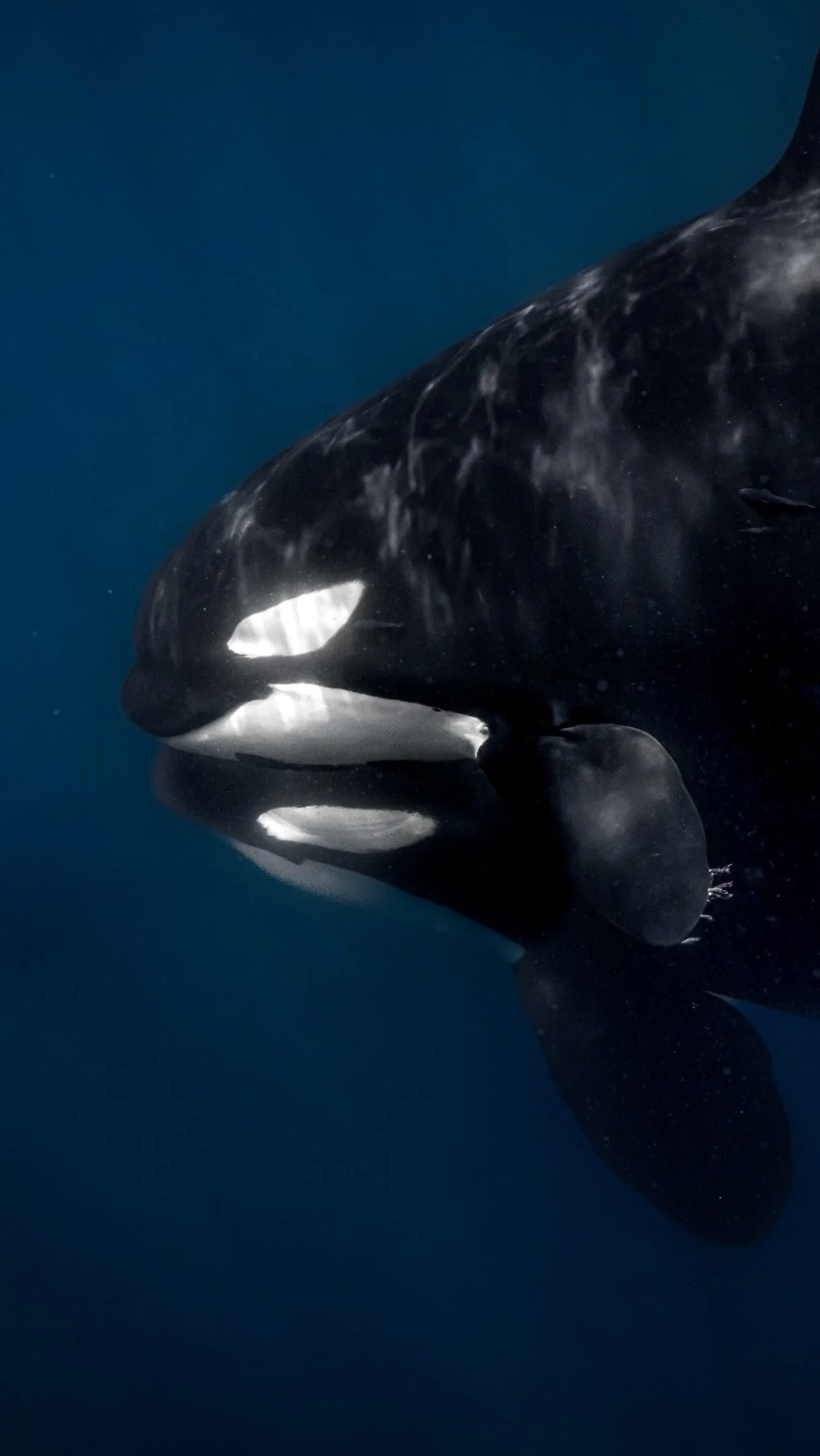
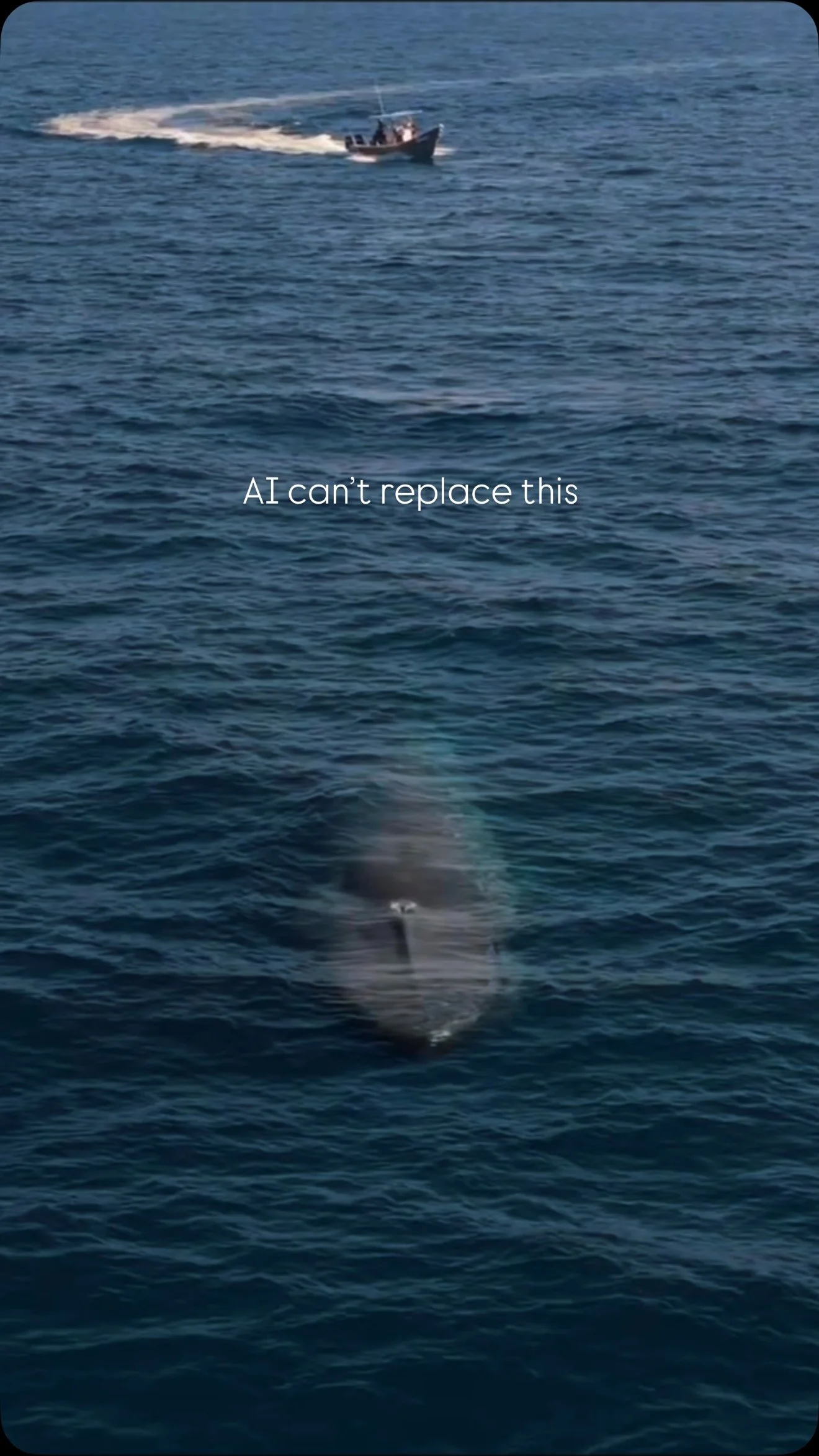
A few years ago I was out on a boat in La Ventana with a group of guests when we spotted a pod of orcas in the bay. We approached slowly, kept the right distance, and watched them settle into a relaxed feeding pattern. Beautiful. Then another boat from a Liveaboard saw that we were with orca and came over too. Then another boat, then the radios started going off. Within 30 minutes, eight other boats had rushed in on the same pod. Some of them were over 20km away when they heard the call; every one of them had come charging across the water at full throttle to get to the action.
By the time boat number nine arrived, the orcas were gone. Deep, fast, and in no mood to come back. The ten crews that showed up after us saw nothing. Our crew, who had been watching them peacefully for twenty minutes before the crowd arrived, watched the pod disappear along with everyone else’s afternoon.
That’s not a unique story. It happens in La Ventana, it happens in Mo’orea with humpbacks, it happens in Norway with the Herring feedings, it happens anywhere good wildlife tourism has become popular enough to attract too many operators. And while the regulations are slowly catching up, the simple truth is that the number of boats on a sighting is one of the single biggest factors determining the quality of that sighting, and most guests don’t know to think about it before they book.
Here’s why it matters, how to spot operators who genuinely work around it, and what difference it actually makes to your experience, and the animals experience.
What boat numbers do to animals
Start with the animals, because that’s who actually matters here.
Noise.
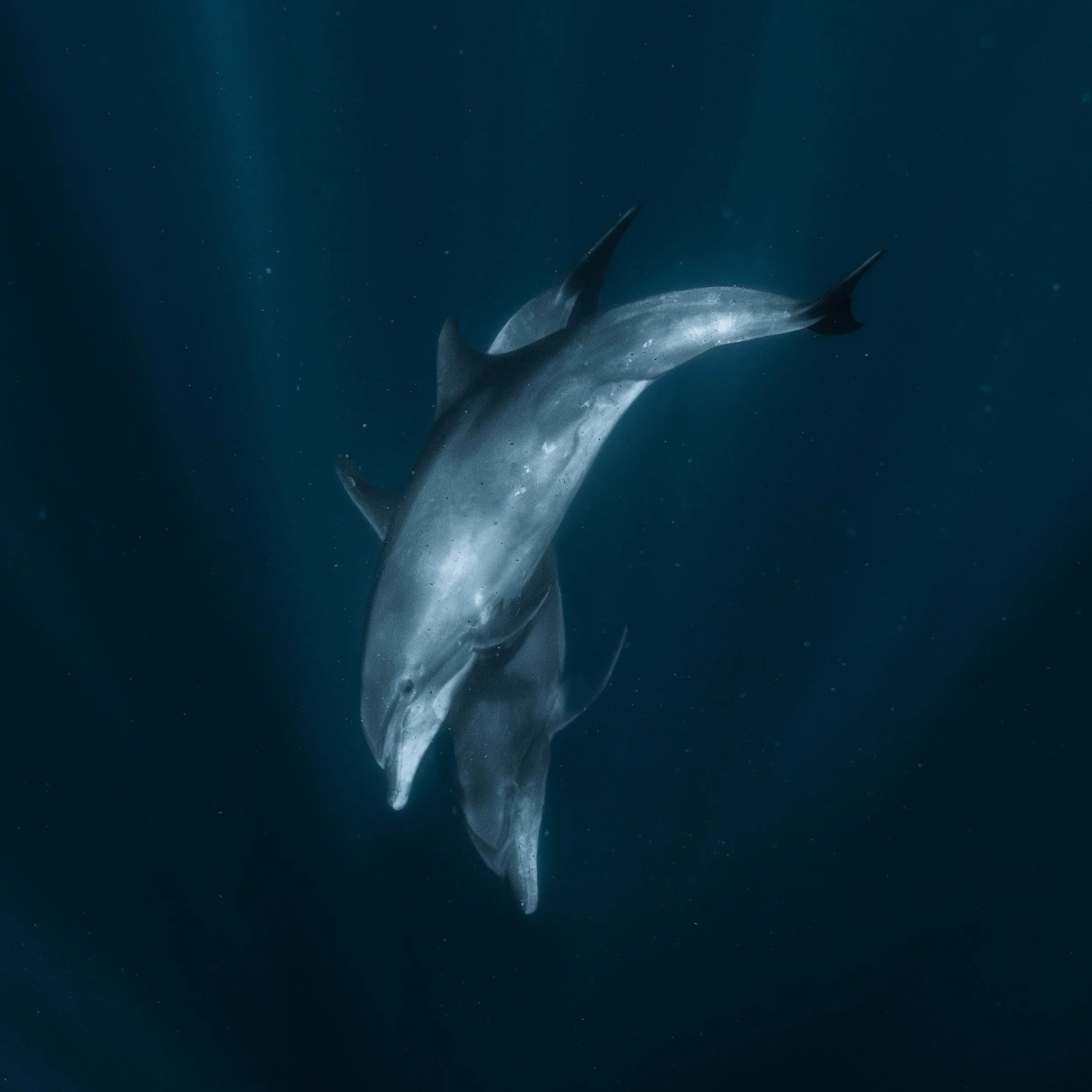
A single boat engine is noticeable but tolerable to most marine mammals. Five boats with engines running produces a soundscape that’s overwhelming for species that rely heavily on acoustic communication - dolphins, whales, orcas. They can’t hear each other properly. They can’t hunt properly. They can’t socialise properly. So they try to escape the noice by leaving.
Chasing.
Even when individual operators aren’t chasing, the collective effect of multiple boats trying to position themselves near a sighting is functionally identical to chasing. The pod feels pressured from multiple directions. Escape becomes the only rational response.
Stress markers.
Scientists who study marine wildlife around heavy boat traffic have documented elevated stress hormones, changes to resting patterns, reduced feeding success, and in some populations, reduced calf survival. This isn’t speculation. It’s measurable.
Behavioural shifts.
Animals that get repeatedly pressured start avoiding areas they used to frequent. The orcas in Baja, for example, have been observed becoming more evasive and moving faster through areas where boat pressure is highest. This affects the sightings your kids might have in ten years.
In short: high numbers of bots don’t just hurt the animals in the moment. They shape the future of the population’s relationship with humans. And it almost never shifts in our favour. If there are too many boats trying to interact, it’s time to leave and let the animals rest. It takes balls to tell your group that you’re leaving and you won’t be adding to the stress of the pod of orca especially when most of the guests in the boat have traveled with huge hopes of seeing orca.
What boat numbers do to your experience
Now the selfish version. Because even if you care about the animals (you should), the practical reality is that boat numbers also ruin your trip.
The encounter gets shorter.
An animal that’s comfortable can tolerate a nearby boat for a surprisingly long time. A pod of orca might stay with a single quiet boat for 30 minutes. That same pod will leave within 5 minutes once a second or third boat arrives and doesn’t interact in a calm manner.
The encounter gets more frantic.
When you know other boats are racing in, everyone, crew and guests, starts rushing. The “let’s have 15 minutes to observe first” approach vanishes. People jump in the water too fast, cameras come out too fast, the guide can’t do a proper briefing, and the whole thing becomes a scramble.
You end up further from the action.
In a multi-boat scenario, etiquette and regulations (where they exist) require distance. So the boat that arrived first gets close. The boat that arrived eighth is observing from 200 metres away and have to wait, sometimes over an hour, for your tern to interact.
You miss out on other animals.
Often you will leave the area you are currently searching for a report that is far away from where you currently are. So you travel all that distance, and when you arrive it might not even be a true report so you have wasted time and gas to get there, and now it’s too far to go back to where you were and you’re stuck in an area with all the other boats when you previously were alone.
Photos and footage get harder.
More boats means more wakes, more bubbles in the water, more awkward backgrounds in your photos (including other tourists in other boats).
The animals are worse company.
A relaxed animal is interesting company. A stressed animal is either leaving or has flat behaviour, evasive patterns, no socialising, no playful interaction. You came to see a wild creature being wild. You end up watching a wild creature being wary.
Why so many operators still cluster
If fewer boats is so obviously better, why don’t all operators just spread out?
The honest answer comes down to two things, money and fear of missing out.
Clustering is the cheapest way to find wildlife. If you stay near the harbour or in the main bay and wait for someone else’s radio call, you burn minimal fuel. You don’t have to invest in proper search coverage, local knowledge, or independent tracking. You just follow the fleet. It works, kinda, and it’s profitable.
The fear of missing out is a huge factor too, with everyone trying to compete for clout on social media, there is a fear that your guests will look on social media and see that a competing operator saw sperm whales today and you didn’t. Many operators don’t post the same day (we don’t so that we can protect animals from being chased) or even worse, some operators post saying that they saw animals that same day but actually didn’t, they are just saying that to win more business. But these are reasons why many boats still cluster.
What doesn’t work is the quality of the encounter. Which is why operators who actually care about delivering a good wildlife experience spend more on fuel, travel further from the harbour, search independently, and operate in areas where the crowd hasn’t caught up yet. This costs more… but it’s worth it.
We go into this in proper detail in how to choose a responsible operator in La Ventana, if you want the full breakdown.
How different destinations compare
This isn’t just a Baja problem. It’s a whole world problem. Here’s a rough sketch of the pressure situation at some of the world’s best wildlife tourism spots.
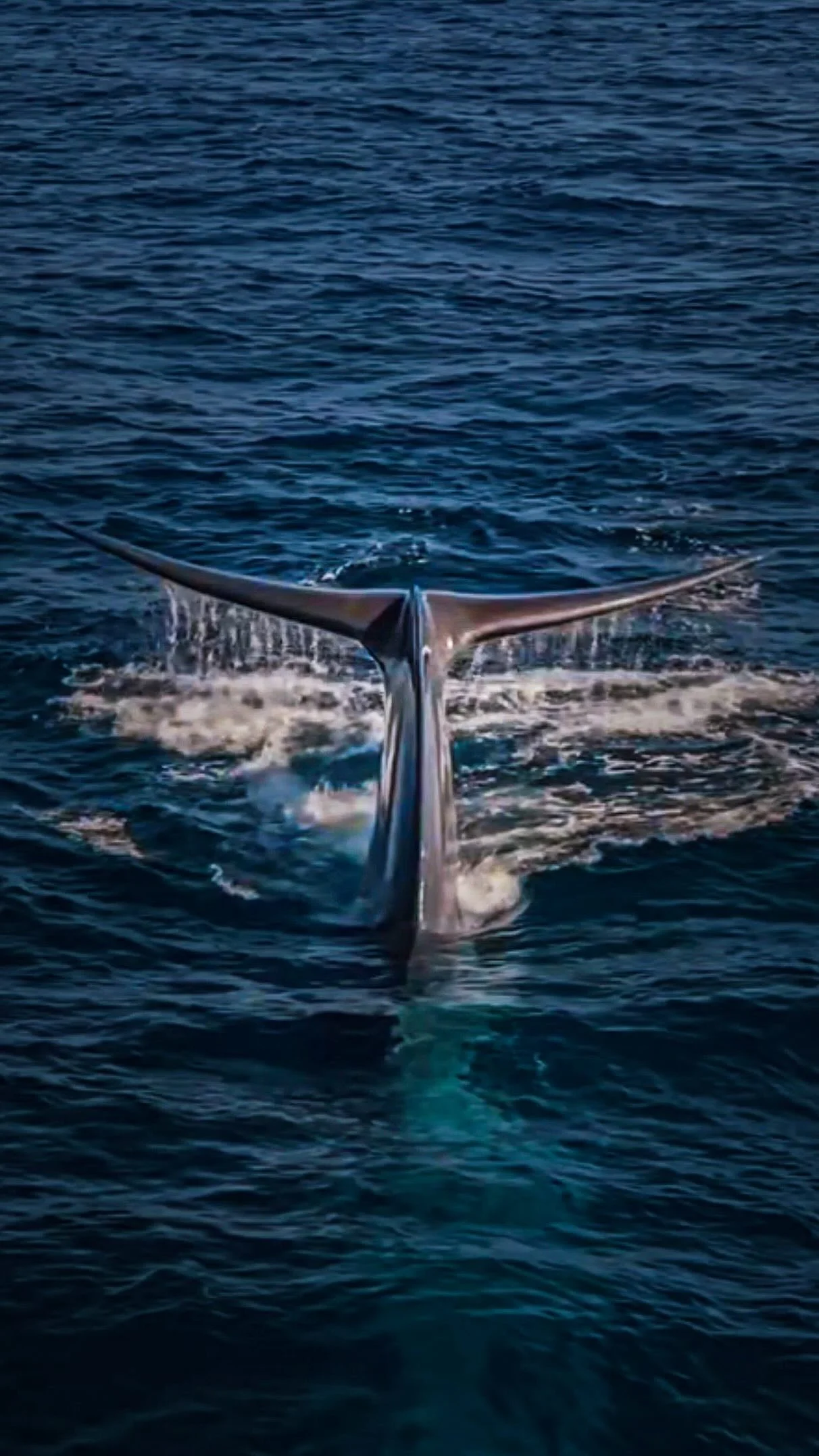
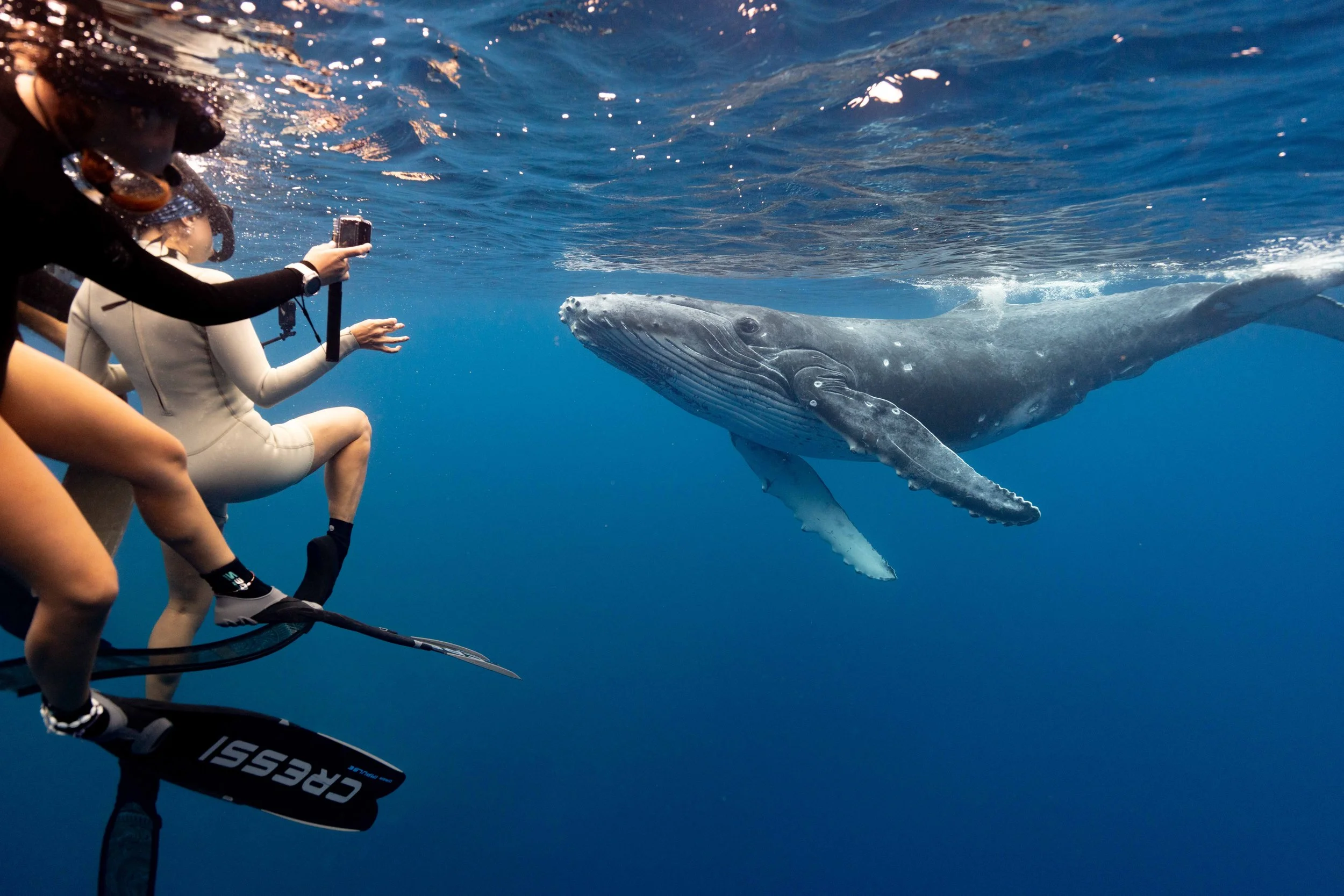
Moorea, French Polynesia (humpback whale swimming).
Reports of 20+ boats operating on whale sightings simultaneously in peak periods. New 2025 regulations limit boats per pod, but enforcement and adherence vary. One of the classic “overtourism” case studies in marine wildlife with often boats queueing to see whales.
La Ventana, Mexico (mobulas and orcas).
Peak mobula season sees 20+ operators on the water. Orca sightings used to draw up to 34 boats per pod before the 2025 SEMARNAT regulations; now capped at 2 boats simultaneous per pod in the regulated zone.
African Safari.
Especially during migration season, I’ve seen pictures of 30+ jeeps all pilling around a river crossing, driving aggressively to get their guests in front of the action.
Rurutu, French Polynesia (humpback whales).
Dramatically fewer boats than Moorea. Rurutu typically has around 5 permitted operators, sometimes less. One of the reasons our Rurutu option is so much quieter than the Moorea alternative.
Socorro, Mexico (mantas, sharks, dolphins).
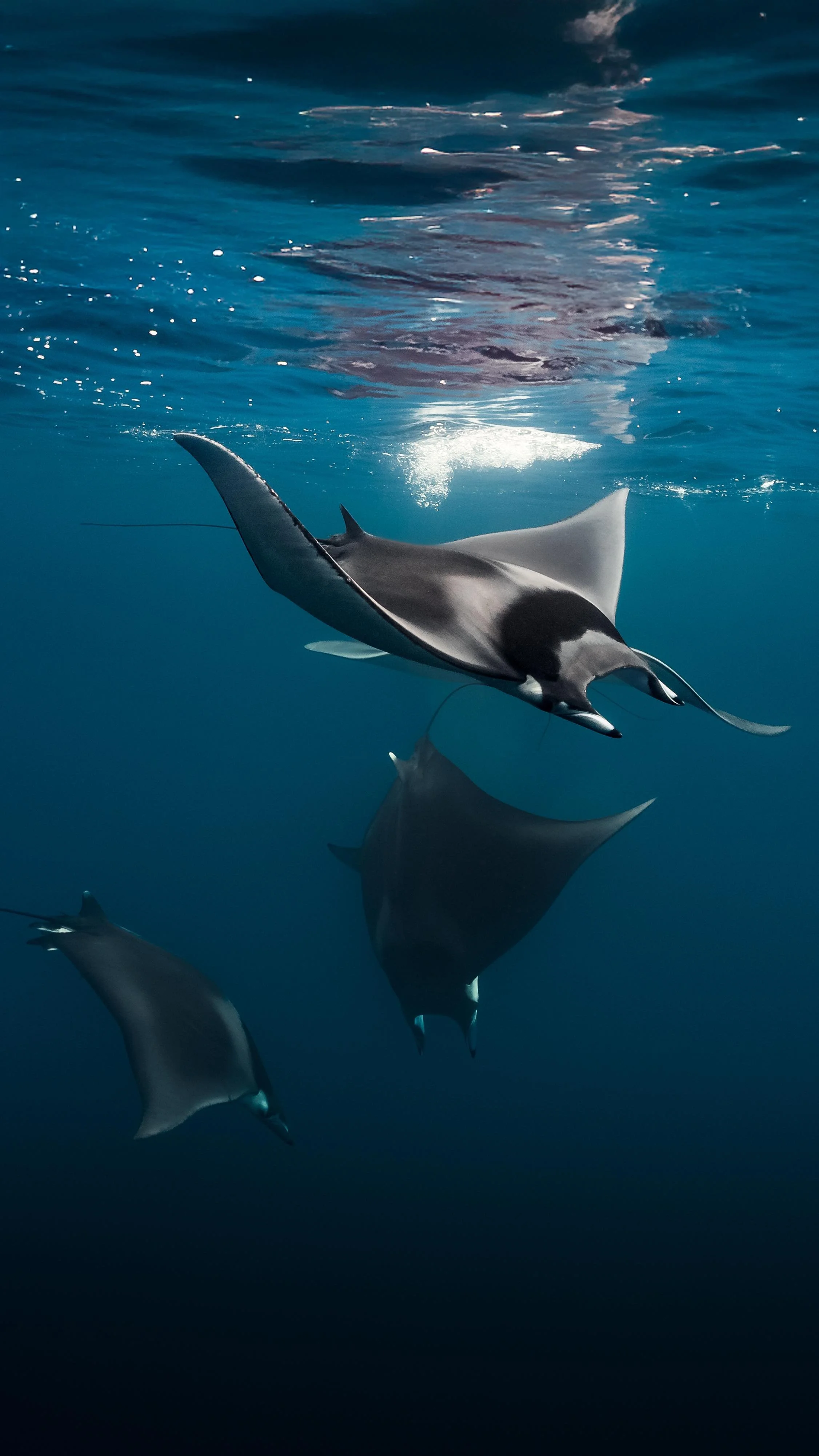
Crowding is less of an issue simply because the location is remote and only accessible by liveaboard. There are boat limits per hour slot so that the number of divers from different operators is limited. I was on a boat that had 4 dive groups, and the dive sites aren’t large so at the end of the dive I counted over 20 divers all blowing bubbles seeing the same two mantas swimming around which was overwhelming and not fun. Be sure to check how many groups your boat has before booking.
Our French Polynesia Secret Location:
Currently three permitted whale swim boats in the entire area. Yes, three.
The pattern is clear: the less famous the location, the quieter the water, the better the encounters. Until the fame catches up.
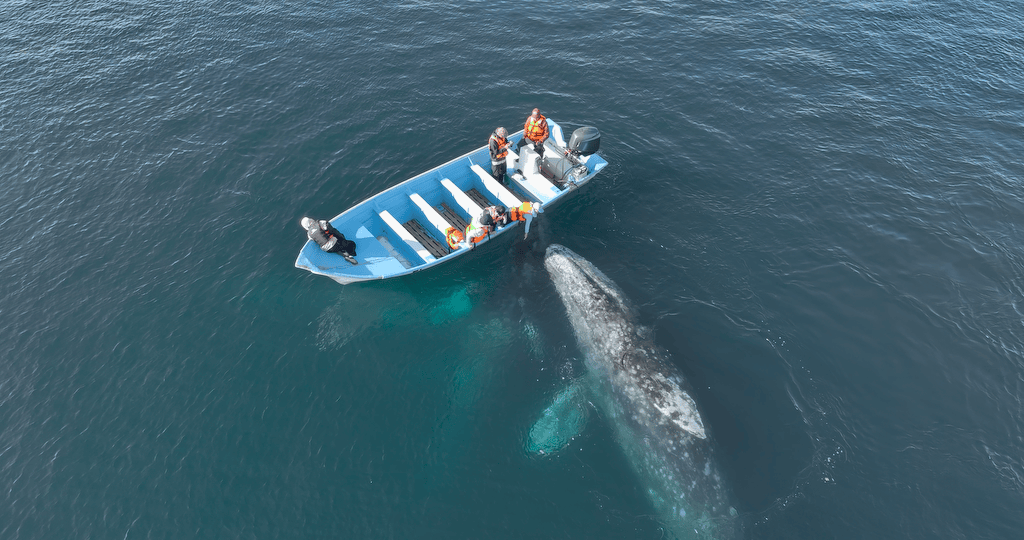
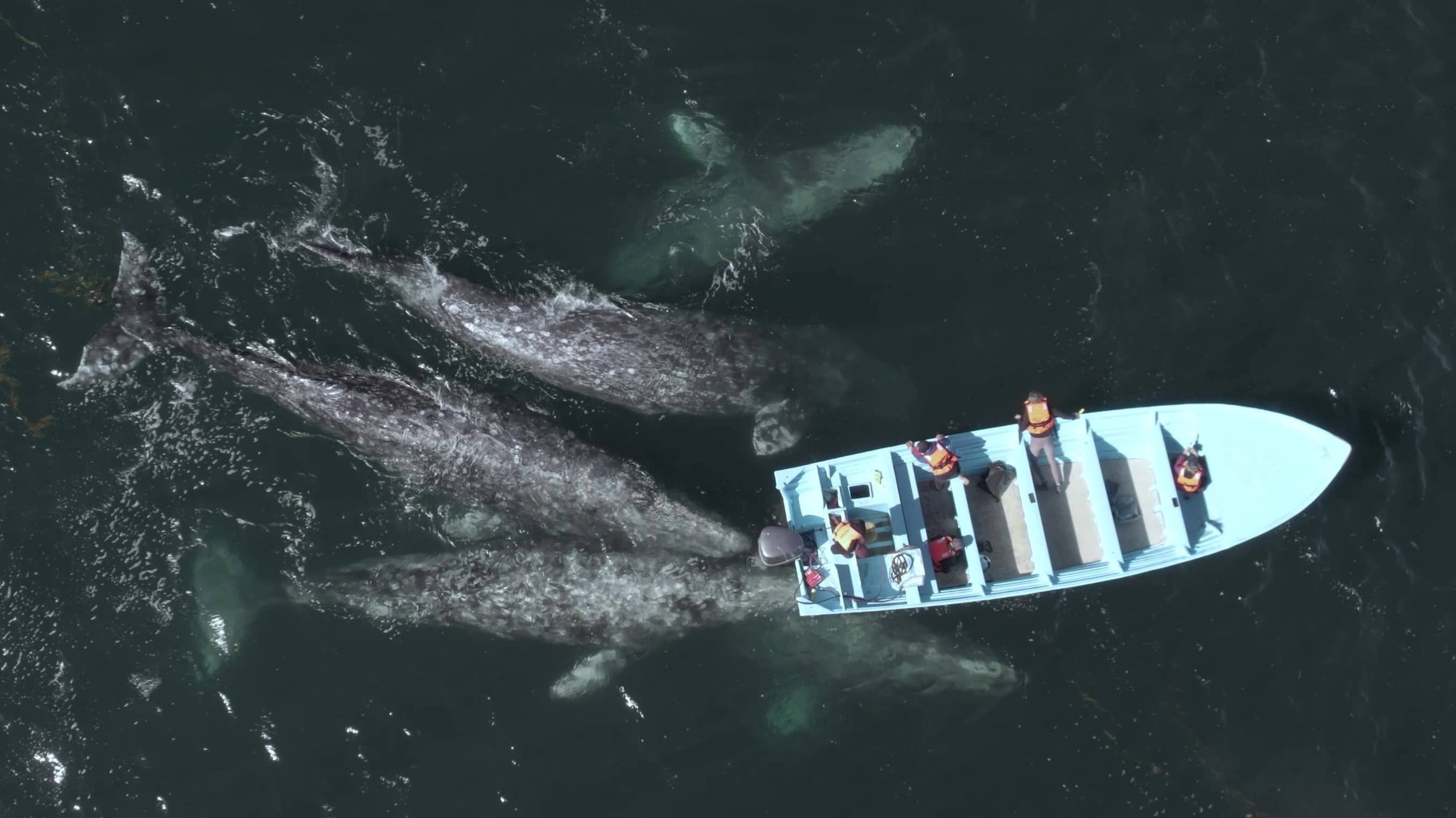
With less boats, interactions get more intimate
How to tell an operator actually avoids crowds
It’s easy to claim you go further and stay out of the crowd. It’s harder to actually do it. Here’s what to look for:
They talk about their search method.
A good operator will explain how they find animals - scouting routes, water indicators, local knowledge, talking about getting away from the crowds. A clustering operator will just say they “know where to go” and rely on radio chatter.
They stay longer with encounters.
If they’re finding uncrowded wildlife, they can afford to sit with a sighting for 30–60 minutes instead of rushing in and rushing back out. Operators stuck in crowds generally give you 10–15 minutes per encounter.
They push shoulder seasons.
Operators who actually get it will often steer you toward quieter periods over peak season. Our Sea of Cortez Safari Expedition exists partly for this reason.
They have an opinion about the industry.
You’re reading one of those opinions right now. Operators who stay quiet about boat pressure are probably part of the problem. Operators who talk about it honestly are usually the ones trying to solve it.
The flip side: it’s not always possible
To be fair, sometimes you can’t avoid crowds. Peak mobula season in La Ventana, for example, unavoidably involves multiple boats. Even the best operators will occasionally end up on a sighting with others, because that’s where the animals are that week. The honest operators minimise this by travelling further, leaving earlier, holding back from piling onto radio reports but they can’t eliminate it entirely in a peak-season area.
What they can do is limit the damage. Send reports within a small handful of trusted operators and don’t send reports out loud on the radio. Smaller guest numbers per boat. Willingness to break off a crowded encounter and find something quieter. Willingness to leave the main area and lose the guaranteed sightings for a shot at a real quiet one.
That’s the real difference. Not a claim of “we don’t do crowds,” which is unrealistic. A genuine practice of “we’d rather have fewer encounters of higher quality than more encounters of worse quality.”
FAQ
How many boats is too many on a sighting?
It honestly depends on the animal and situation. If boats are keeping distance and not rushing, then three can be comfortable. After five can get uncomfortable. Ten plus is where the encounter deteriorates fast. For sensitive species even two can be too many at times.
Why does the guide matter for this?
An experienced guide will see a crowded situation forming and make the call to leave early, find something quieter, or skip an interaction that’s going to be bad. Without that judgment, you end up stuck in the mess.
Do regulations actually fix this?
Partly. The new SEMARNAT orca rules in Mexico cap boats at 2 per pod. The French Polynesia whale regs cap it similarly. These help a lot. But regulations only affect permitted activity in defined zones, they don’t affect areas outside those zones, and enforcement is imperfect.
Should I just avoid popular destinations entirely?
Not necessarily. A good operator in a popular area will still outperform a bad operator in a quiet one. The quality of the crew and their practices matters as much as the location. But shoulder seasons in popular destinations often offer both: known species and quieter water.
Which of BWE’s trips has the least boat pressure?
Socorro, French Polynesia Secret Location, Sea of Cortez Safari, Gray Whale Expedition. Least crowded overall: The 2 day safari section of the Gray Whale Expedition, we barely see another boat in the whole two days!
JOIN US!!
If you're thinking carefully about who you want to book with and why, good — you're already doing the harder work most travellers skip. When you're ready, look at our expeditions: they're all built around smaller groups, independent searching, and respect for the animals' space. The 7-day version of each is usually worth the extra time for the deeper, quieter rhythm.

Check out our Wild Encounters on Instagram