Same ocean. Different months. Slightly different trip. Entirely different vibe.

Intro
If the idea of the Sea of Cortez without the peak-season chaos appeals to you, join our Sea of Cortez Safari expedition July through August, 7-day recommended, small groups, one of the quieter ways to experience Mexico's most biodiverse marine environment. Spots are limited on purpose. This is the question we often get: “Should I do the Mobula expedition or the Sea of Cortez Safari?”
And honestly, I love that question, because it usually means someone has actually read our expedition pages rather than skimming. Most people book wildlife trips the way they book hotels - find one, see price, click, move on. The ones who pause and try to figure out which of two or more similar-looking options is actually right for them tend to be the ones who get the most out of the trip once they’re on it.
So here’s the proper answer. Not marketing spin. Not “they’re both amazing.” They are both amazing, obviously, but they’re also quite different, and the right choice depends on what you actually want from the week.
The short version (if you’re in a hurry)
Mobula Ray Migration (April–June):
Peak-season spectacle. Massive fevers. More species variety. Busier water. Cooler temperatures but still hot especially towards the end of the season. Best for anyone who wants the iconic Sea of Cortez mobula experience and doesn’t mind sharing the ocean with other boats. Possibly the nicest expedition house we have ever stayed in.
Sea of Cortez Safari (July–August):
Shoulder-season intimacy. Calmer water, clearer viz, fewer boats, longer encounters. Best for repeat visitors, photographers, freedivers, or anyone who prioritises encounter quality over peak-season hype. Hot weather. Still nice accommodation but not as luxurious as Mobula Season.
That's the 15-second version. If that's enough to decide, great — jump to the Mobula page or the Sea of Cortez expedition page and book. If you want the full breakdown, read on.
Season and weather
Mobula expedition (April–June).
Spring in the Sea of Cortez. Water temperatures climbing from around 21°C (70°F) in April to 30°C (86°F) by June. Usually calm, though some days have wind, especially in the afternoon. Cooler mornings, warmer afternoons. Most days you’ll want a wetsuit for in-water time — we recommend 3mm for peak season.
Safari expedition (July–August).
Summer. Water temperatures 28–32°C (84–90°F), air temperatures genuinely hot (30-40s°C / 90-100s°F). Light breezes, calm water most of the time. You can often snorkel without a wetsuit or in a shorty. Hurricane season officially begins, so the odd weather-affected day is possible, though direct storms are rare in July and become more likely toward late August.
If you hate being cold in the water, summer wins. If you hate being hot on land, spring wins. If you genuinely don’t care either way, the rest of the differences matter more.
The wildlife calendar
Both trips are sea safaris. Both have many of the same species on the board. The difference is what’s most likely on any given day.
Spring (Mobula expedition):
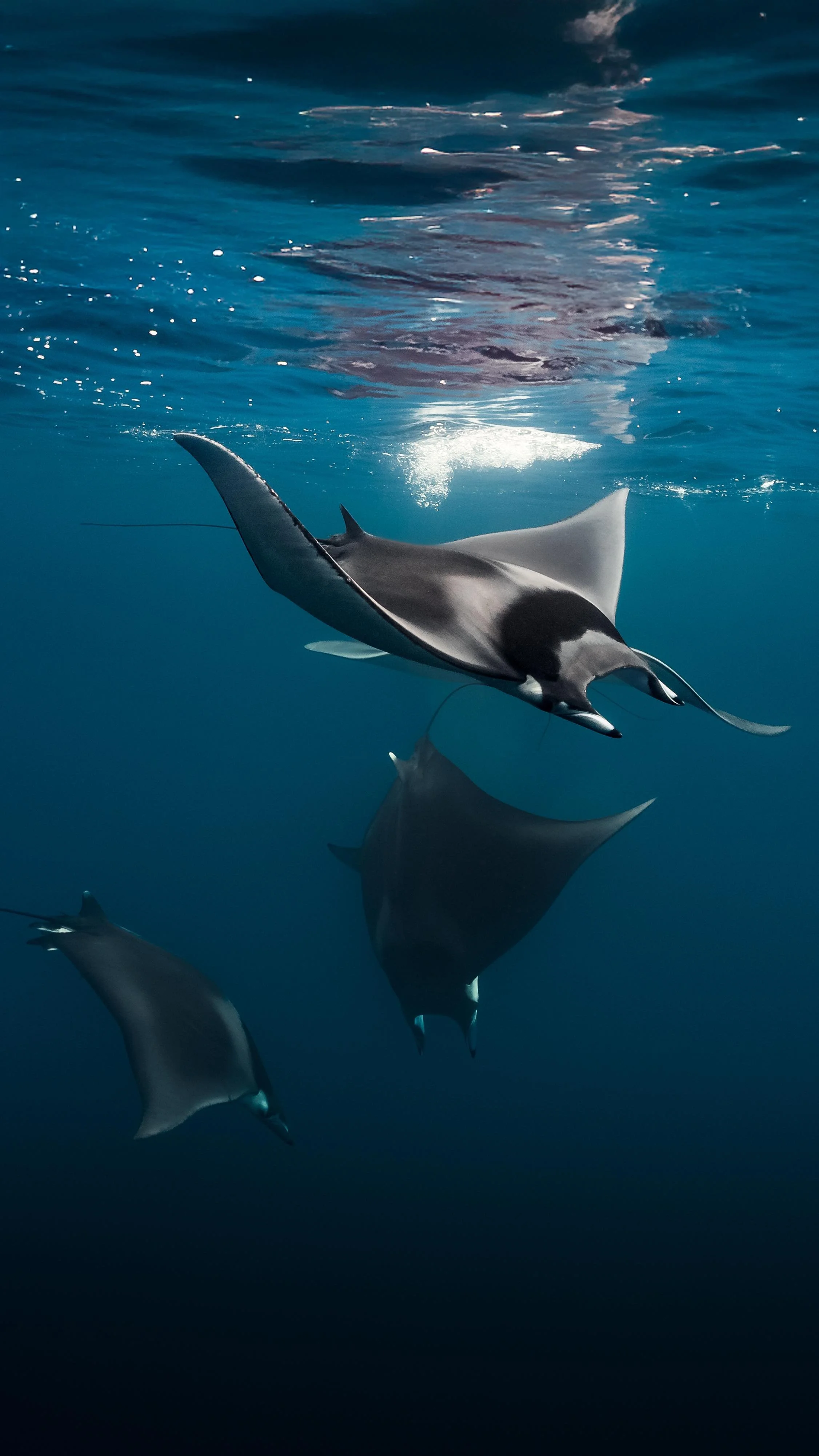
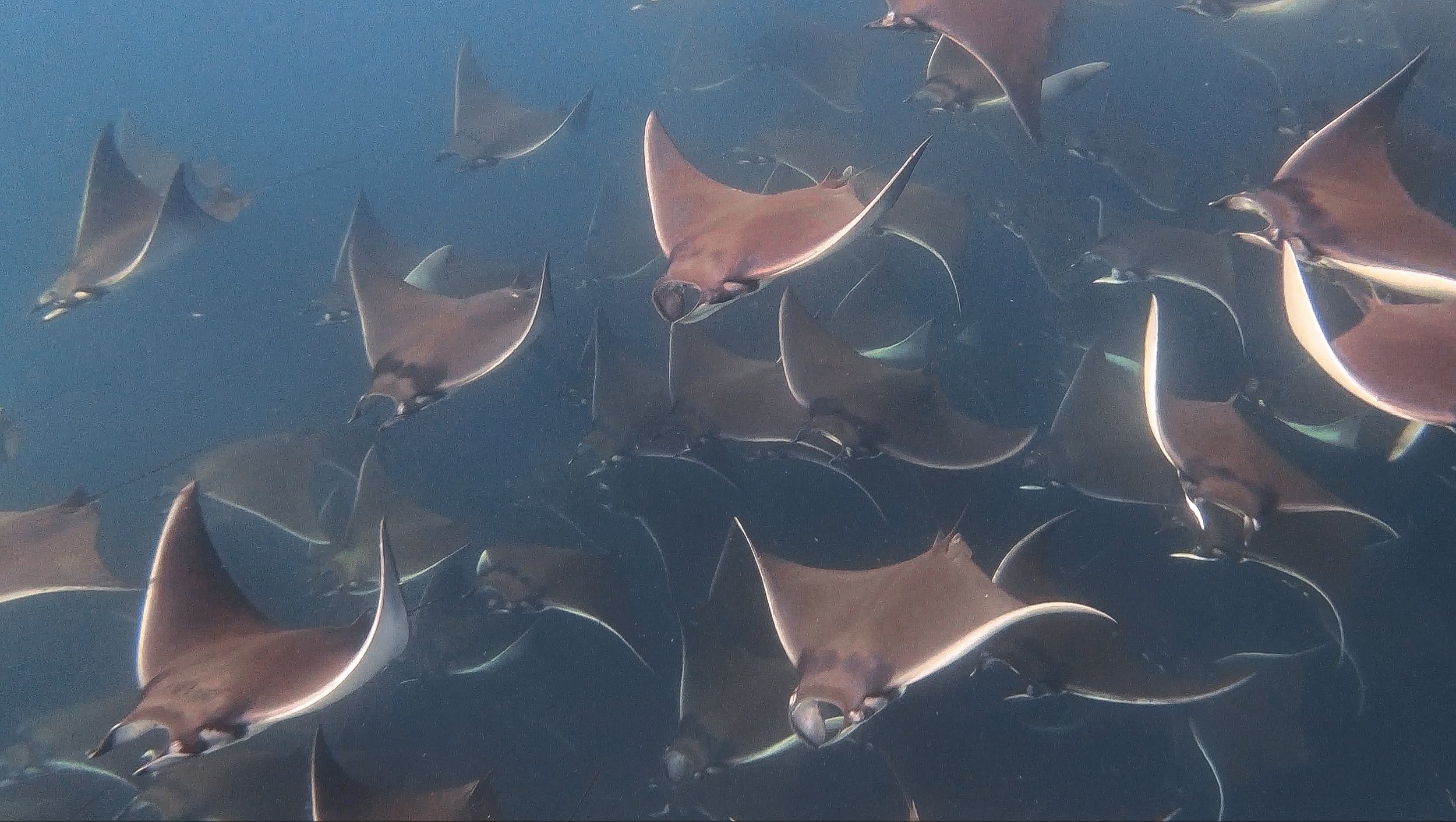
Mobula rays in enormous fevers. This is the headline, and peak season for good reason.
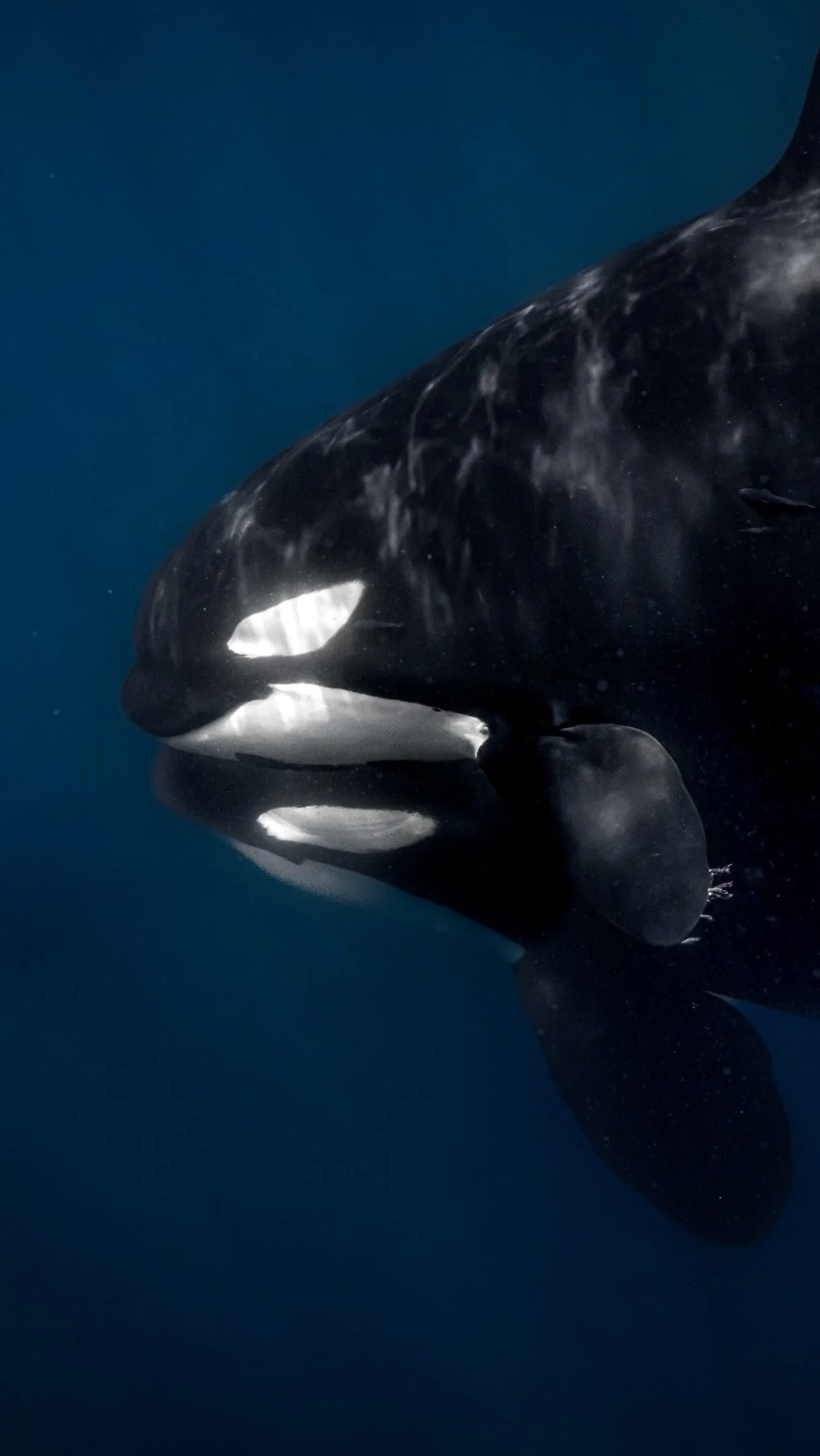
Mobulas draw predators, which means orca sightings peak roughly in May and early June.
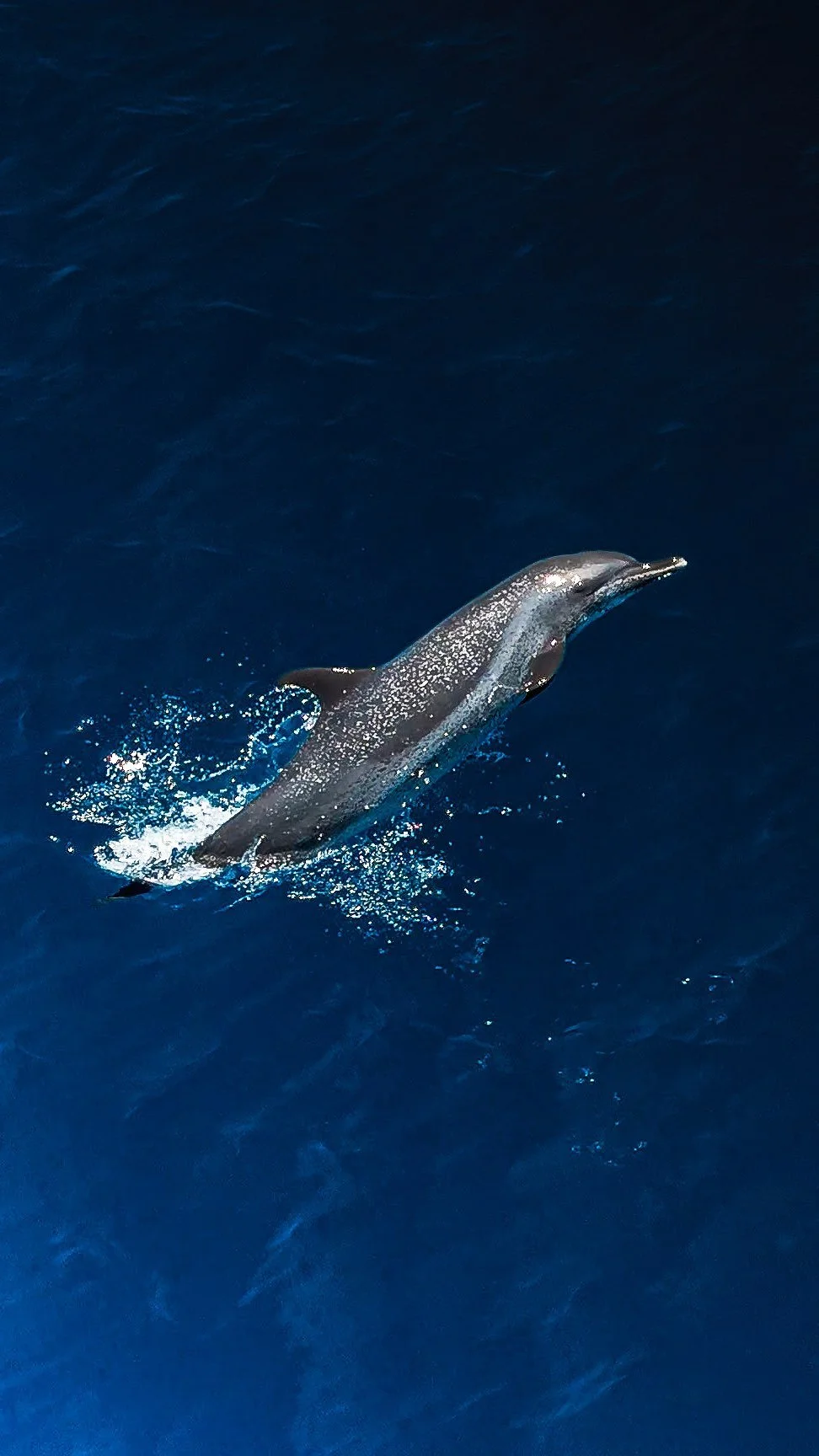
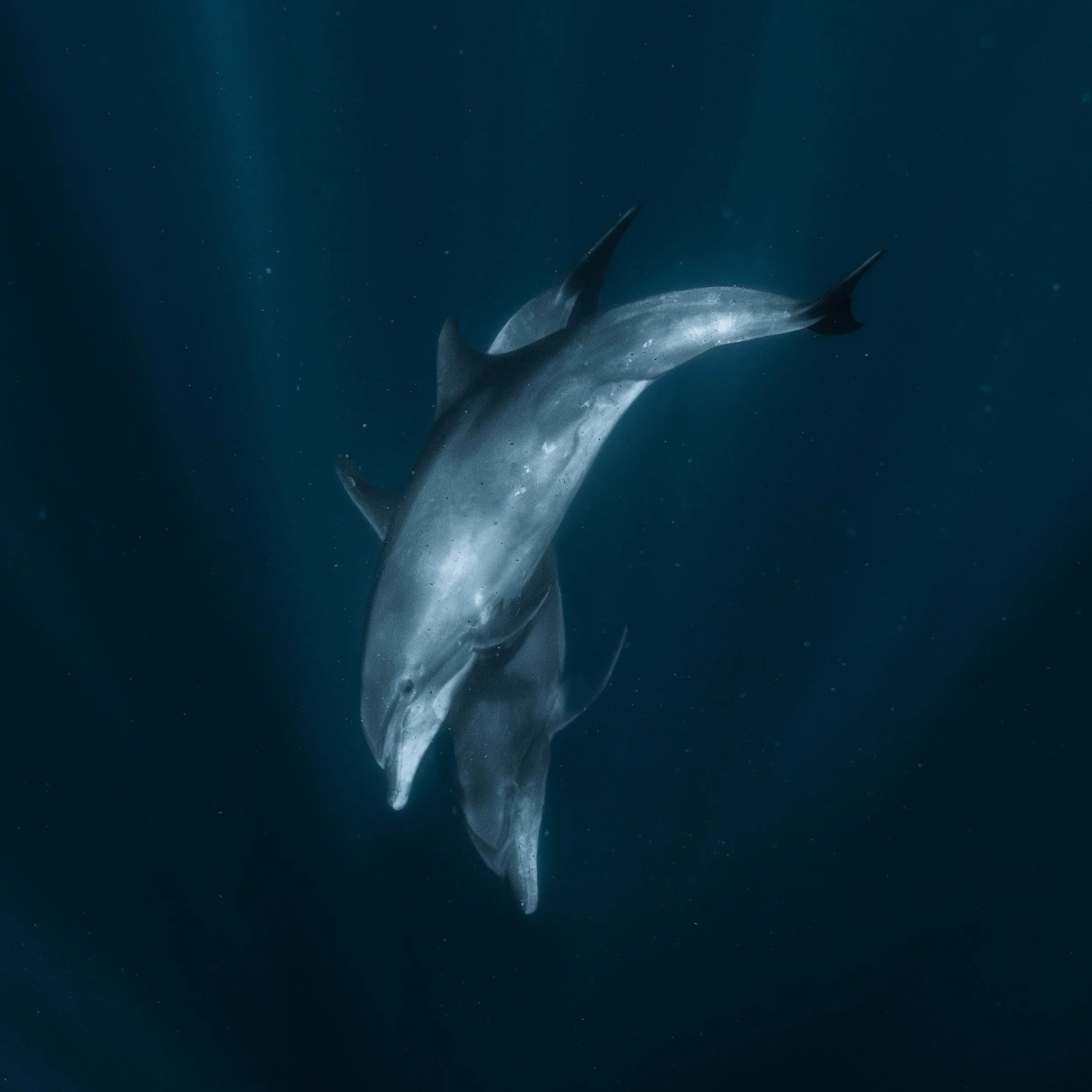
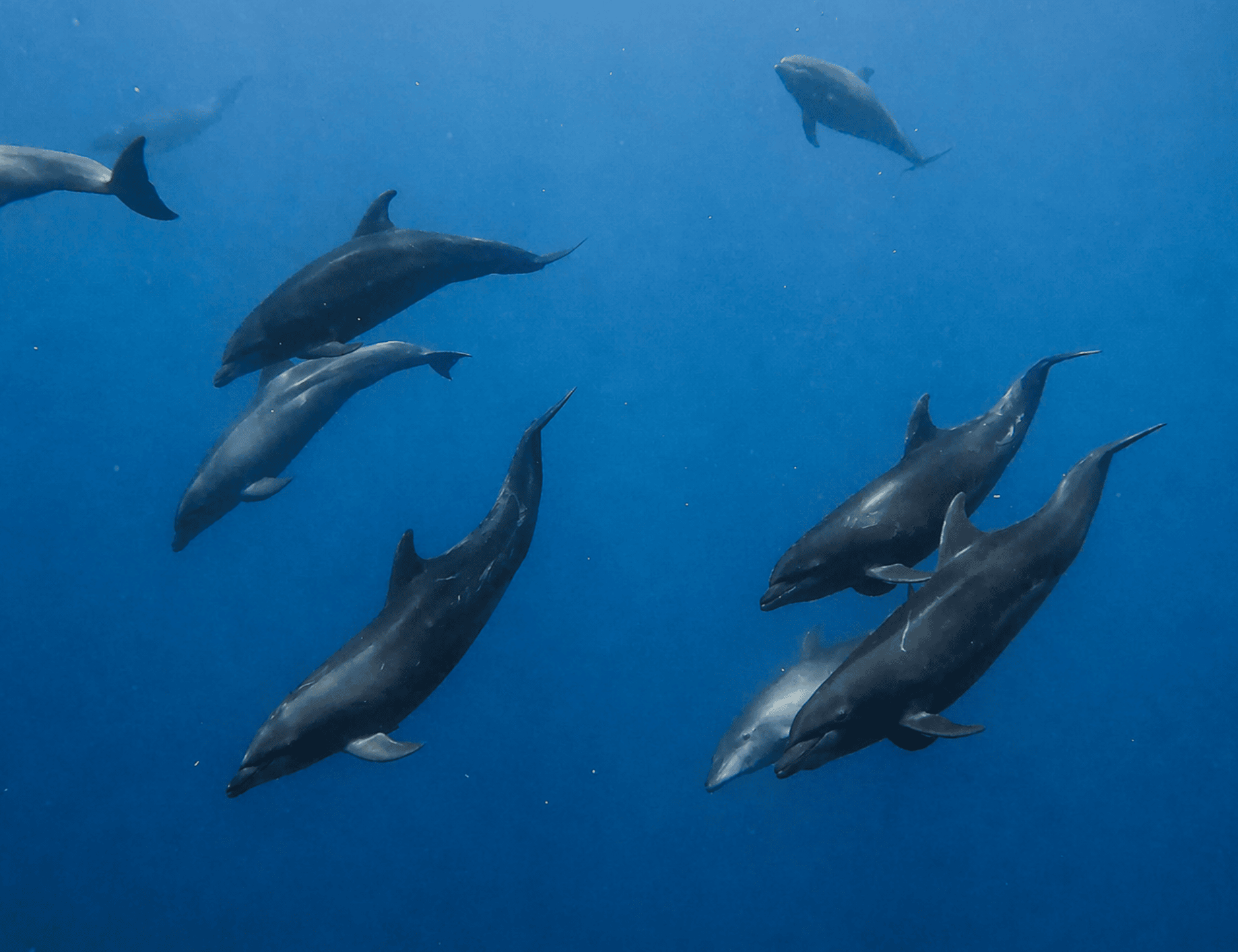
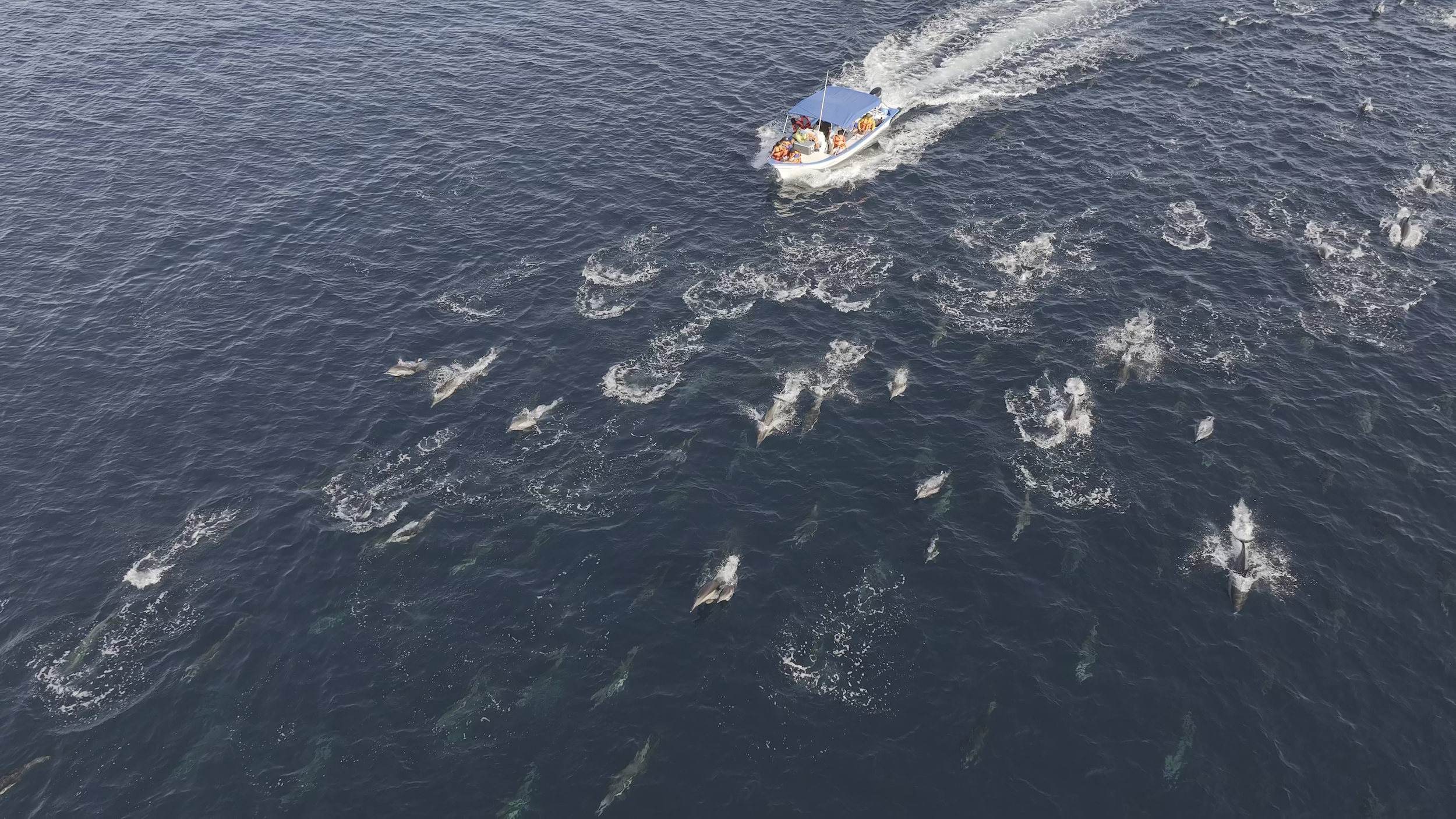
Dolphin pods, often large.
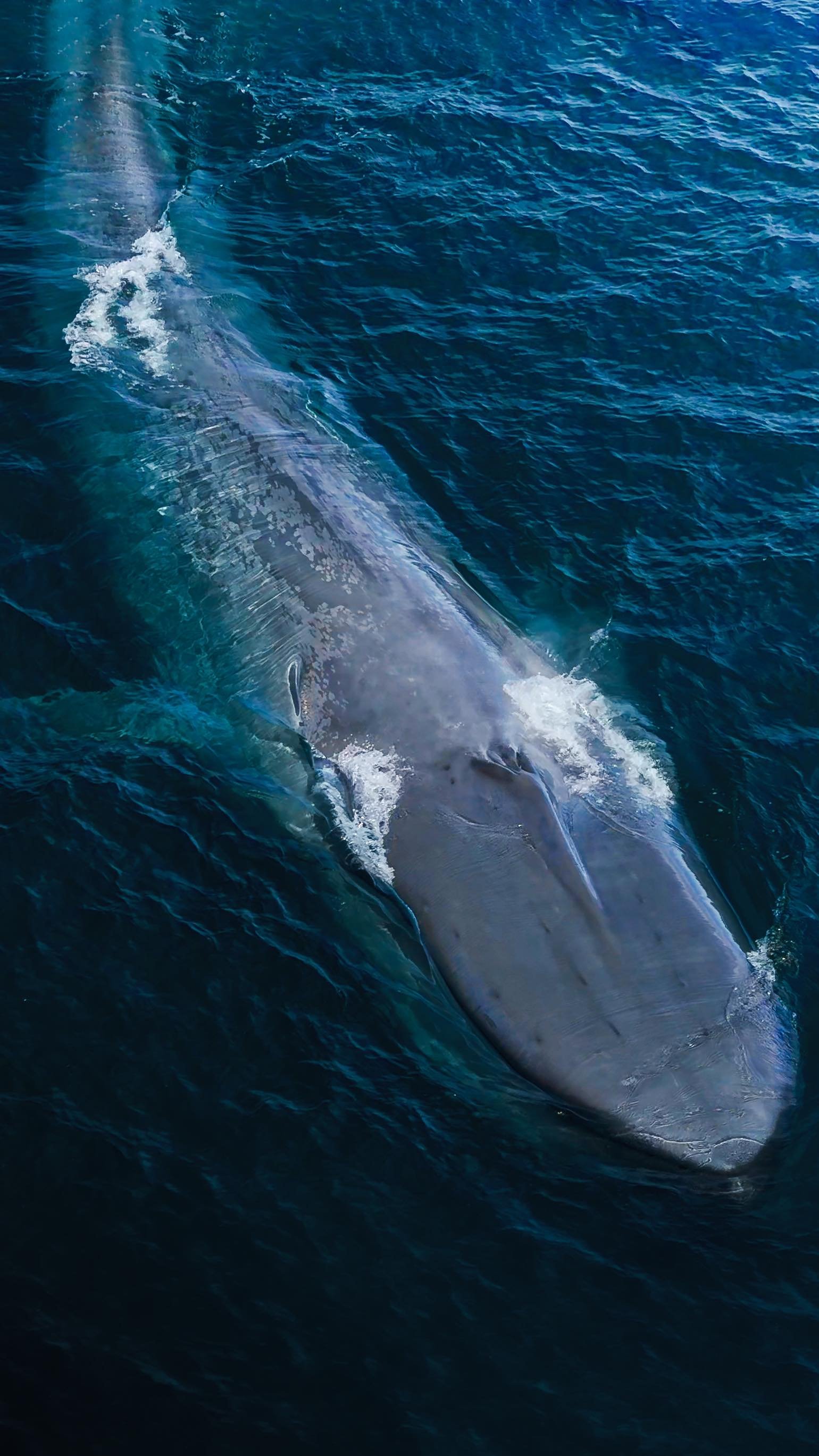
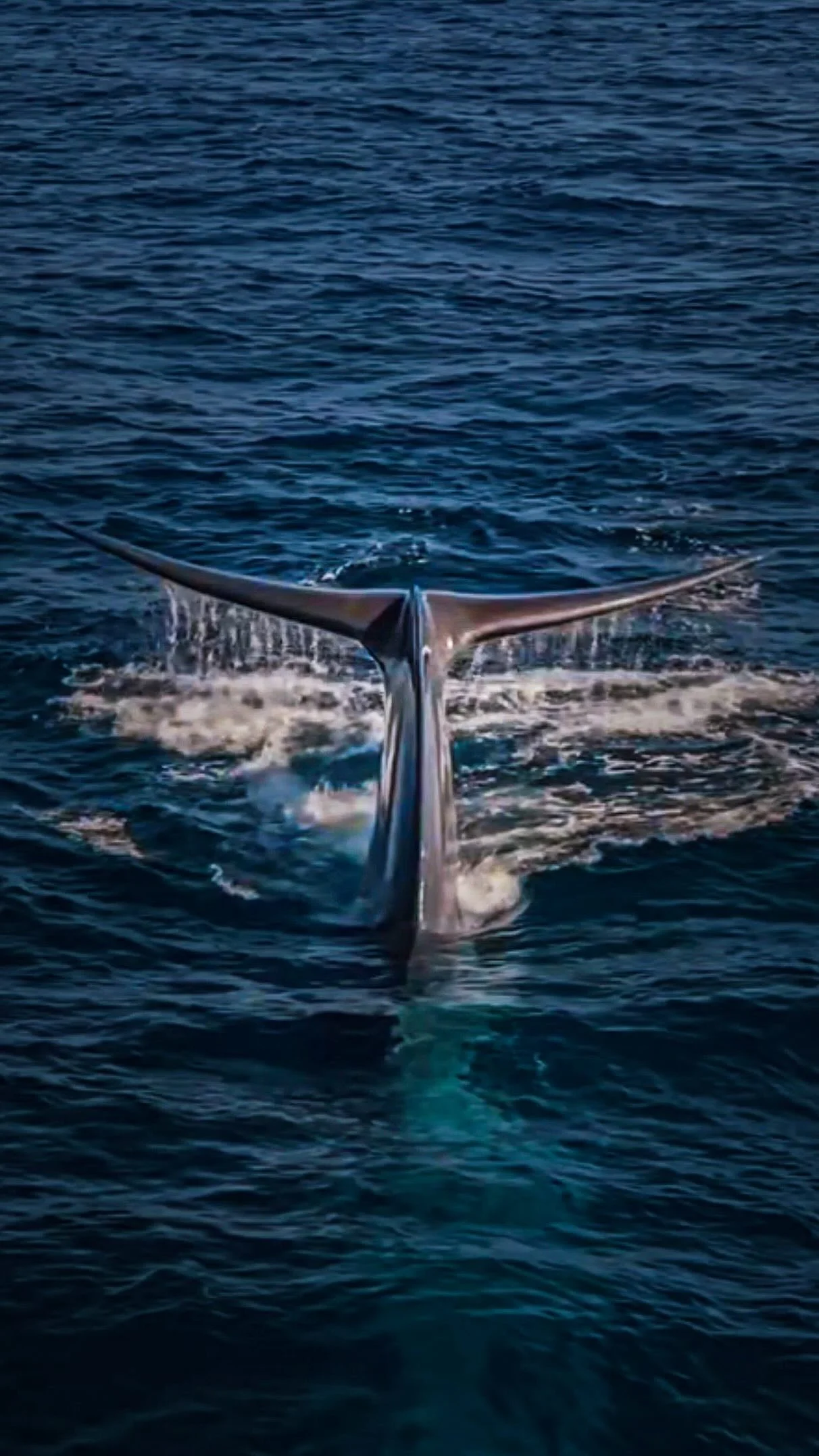
Migrating whales still around — humpbacks wrapping up their southern season, blue whales showing up for the food.
Whale sharks passing through.
Sea lion colonies active (though Los Islotes closes 1 June for breeding).
Orca but not every week despite what social media tells you
Summer (Safari expedition):
Mobulas in smaller numbers (the big fevers have moved on, but individuals and smaller groups remain).
Orcas still possible — arguably in calmer, clearer conditions than spring.
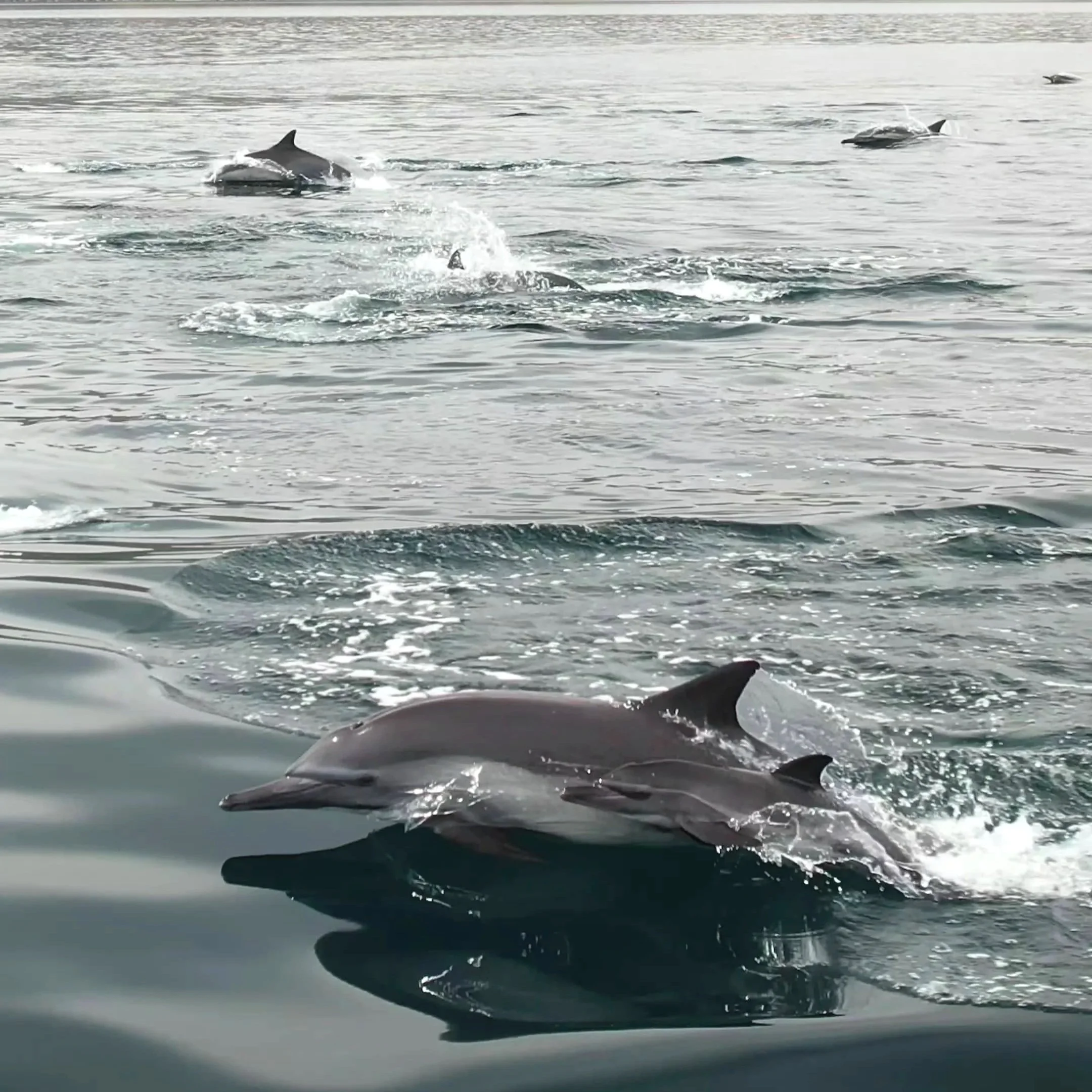
Excellent dolphin encounters, often with less boat pressure, so pods stay with you longer.
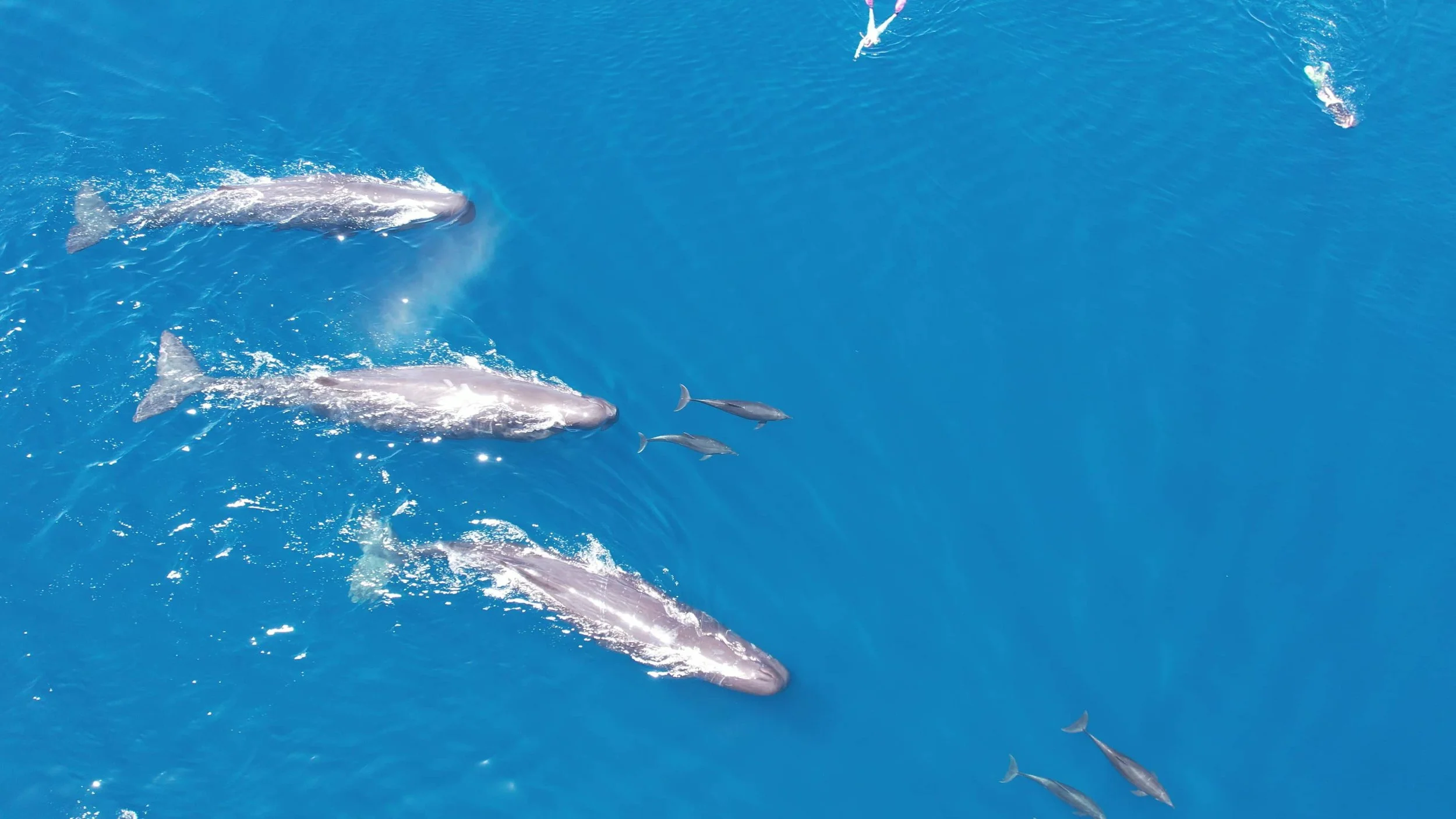
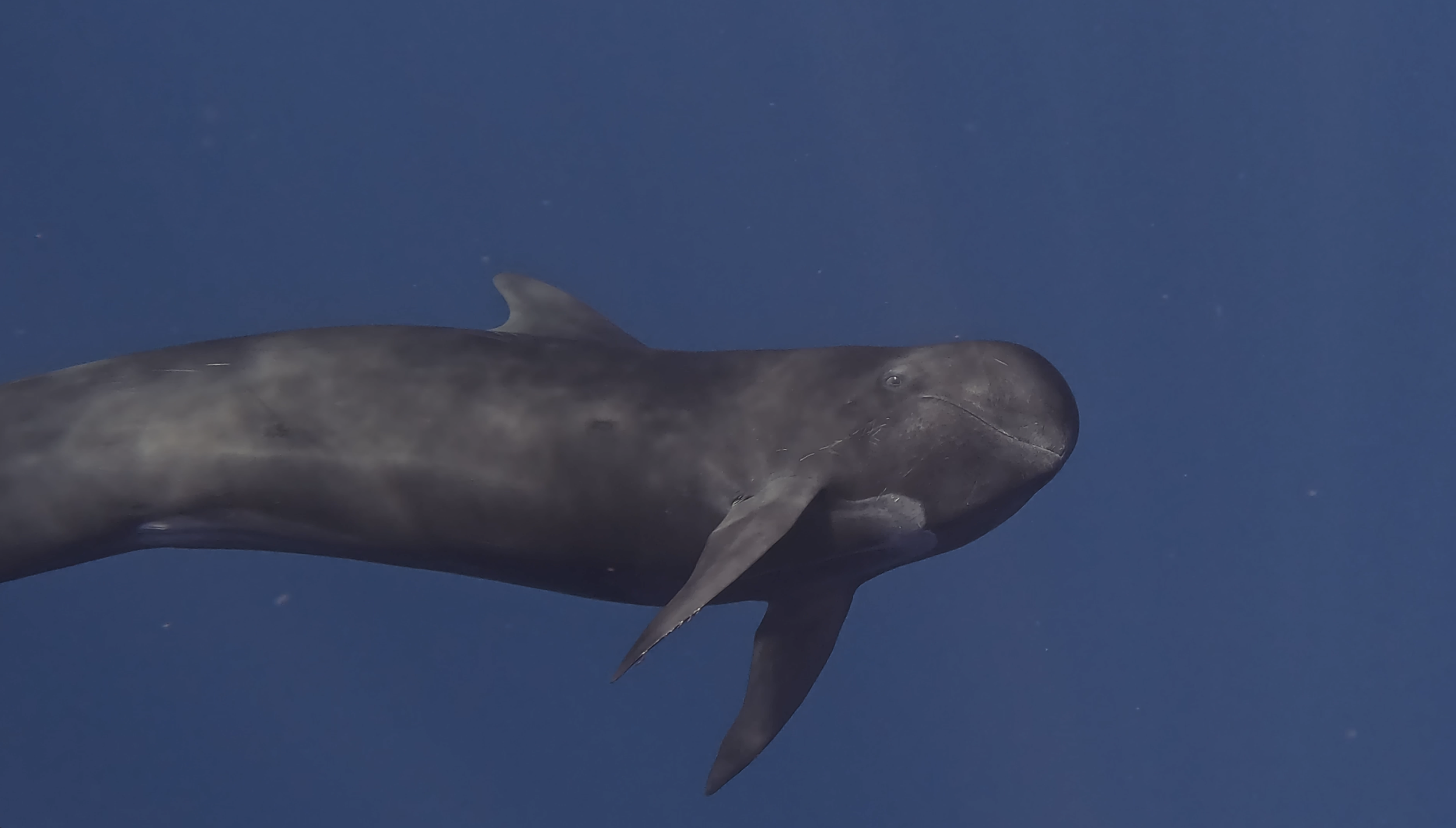
Sperm whales are more active. Bryde’s whales around.
Sea lion colonies active, though Los Islotes still closed through the end of August.
Whale sharks occasional but not peak.
Blue and humpback whales less common than spring.
If your single must-see species is mobula rays in huge numbers, do the Mobula expedition. If it’s dolphins in quiet water, the Safari has the edge. If it’s purely orcas — neither trip is the right choice and you should read this piece before going any further.
How many boats are on the water
Mobula expedition:
You’re in peak season. Multiple operators, multiple boats per day on the water, and occasionally significant crowding on reported sightings. We travel further than most operators to avoid the worst of it, but you’ll still occasionally end up sharing the water with other boats. It comes with the territory of peak season.
Safari expedition:
Significantly quieter. Most peak-season operators have moved on or are winding down. You’ll often be the only boat in sight for hours at a time. This is one of the main reasons the Safari exists in the first place. Read more about it in Sea of Cortez Summer.
For photographers, freedivers, and anyone who’s been frustrated by crowds at other wildlife destinations, this is probably the deciding factor.
Water conditions
Spring: Visibility usually 10–15 metres, sometimes less on windy days, sometimes more. Water is cool-ish, improving through the season. Current can be a factor at some sites, but generally manageable. 3mm wetsuit recommended
Summer: Visibility often 25–30+ metres on calm days. Warmer, often glassy, and on the rare days when a summer storm affects conditions, you'll know well in advance. Underwater photography conditions tend to be the best of the year in summer.
The “vibe” difference
I know this sounds fluffy but it’s real.
Spring feels like: excitement, spectacle, energy. You’re in the middle of one of the biggest wildlife aggregations on Earth. Every morning has the potential for something enormous. Boats are moving, operators are all out, the radio is active, and there’s a sense of being part of a big season.
Summer feels like: calm, depth, intimacy. The ocean feels more yours. Encounters stretch longer. There’s more time to sit with things rather than rushing to the next reported sighting. It’s less adrenaline and more meditation — if you can call freediving with a pod of spinner dolphins meditation.
Both are valuable. Which one appeals to you is a personality question.
Who each trip is best for
Mobula Ray Migration:
First-time Sea of Cortez visitors who want the iconic peak-season experience.
Anyone who’s specifically come for the mobula fevers.
Wildlife travellers who don’t mind some crowding as the trade-off for peak-season density of animals.
People travelling in April–June because that’s when their calendar works.
Sea of Cortez Safari:
Repeat Baja visitors who’ve done the peak season already.
Photographers and videographers who want cleaner, quieter conditions.
Freedivers who want extended quality encounters.
Anyone who hates crowds more than they love peak-season spectacle.
Couples or small groups looking for a more intimate expedition experience.
Anyone on a slightly lower budget
Can you do both?
F*ck yeah you can. A handful of guests have done the Mobula expedition one year and the Safari the next, and every single one of them has come away saying the two trips felt like completely different expeditions despite being in the same body of water. If you’re properly hooked on the Sea of Cortez, doing both across two years is genuinely a great idea, especially if you book the 7-day version of each.
Price and logistics
Sea of Cortez Expedition is more budget friendly than the Mobula Expredition - we did this on purpose to attract more people during the shoulder/lower season.
Both start and end in La Ventana.
Both include accommodation
All meals included on mobulas, dinner not included in Sea of Cortez.
Guides, captains, photos and videos, and time out at sea are all the same..
Both require you to get yourself to La Ventana (nearest airport: La Paz (LAP) 50-min transfer. SJD, Cabo San Lucas, with a 2.5-hour transfer).
Both are small-group by design. Neither is the cheapest option in La Ventana. We've explained why elsewhere in how to choose a responsible operator.
5-day vs 7-day
Always the 7-day. Always. For both trips. More days means more weather windows, more species chances, more rhythm with the area, and more room for the rare encounter that makes the trip unforgettable. The 5-day is a valid backup if your schedule won’t stretch, but the 7-day is where both trips genuinely come into their own.
FAQ
What’s the single biggest difference between the two trips?
Crowds. Mobula expedition is peak season, Safari is shoulder season. That changes the feel of everything else.
If I can only do one, which should I do?
Depends on what you value most. Want the iconic peak-season mobula spectacle? Mobula expedition. Want quieter, more intimate encounters with overall similar species? Sea of Cortez Expedition.
Are the guides and crew the same on both trips?
Same team, yes. Same captain, same guide, same philosophy. What changes is the conditions and seasons, not the people.
Will I see more species on one trip than the other?
Slightly different species mix. Peak season (spring) has slightly higher species count on average because of migration timings. Summer has fewer boats, which often translates to longer, higher-quality encounters with the species you do see.
Can I customise a trip outside these two windows?
Sometimes, for private groups only. Get in touch and we'll talk about what's possible. Solo or couple bookings for custom dates are much harder to arrange.
What if I’m torn between them?
Email us, drop us a message on WhatsApp or the contact us page. Tell us what you’re hoping for. We’ll give you an honest answer. If you’re a good fit for both, we’ll say so. If one is clearly better for you, we’ll point you there.
JOIN US!!
Ready to pick? Mobula Ray Migration (April–June) or Sea of Cortez Safari (July–August). Both run 5-day and 7-day options. Both cap groups small. We recommend the 7-day of either trip if you can make it work.
Check out our Wild Encounters on Instagram