A founder-led guide to Baja’s flying tortillas — with the stuff most operators leave out.

TL;DR
Peak Months: May – July.
Water Temp: 24°C – 28°C.
Visibility: 15m – 30m.
Intro
Every spring, somewhere off the coast of La Ventana, the water starts to change colour. It goes from deep greeny blue to a kind of bruised shadow, moving slowly across the surface like a storm cloud submerged upside down. If you've never seen it before, your brain tries to make sense of it... a current, a school of bait fish, cloud cover, maybe rocks. Then a single mobula ray launches itself over a metre out of the water, slaps back down, and suddenly your brain catches up: that shadow is a fever of ten thousand mobula rays.
This is the mobula ray migration. It happens every year in the Sea of Cortez. It is, with no exaggeration, the largest aggregation of mobula rays anywhere on Earth. The BBC has filmed it. National Geographic has filmed it. It's the reason our Mobula Ray Migration expedition exists.
And yet, most of what gets written about it online is either wrong, oversold, or so generic it tells you nothing useful. So here's the honest version.
What actually happens during the migration
Mobula rays, specifically Mobula munkiana, the Munk's devil ray, along with a few other species that mix in, gather in the Sea of Cortez in huge numbers from roughly April through early July. Peak density is usually mid-May through early June, though this varies year to year depending on water temperatures, climate change, and upwelling currents.
They come here for two reasons: feed and breed... what a good life! The cold, nutrient-rich upwellings near La Ventana, La Paz, and around Isla Cerralvo pull up clouds of plankton, which the rays feed on. They also form massive schools, called fevers, that appear to be part mating display, part coordinated feeding, part something scientists still don't fully understand. Like why are they jumping?!? FOR FUN OF COURSE!!
The rays are vulnerable. They have a slow reproductive rate, roughly one pup every one to three years, and are listed as a species of concern on the IUCN Red List. Which is part of why seeing thousands of them in one place is so extraordinary. You're watching a threatened species doing something they only do here, at this scale, for a few weeks a year. Insane!!
When to go
Best window: Mid-May to early June for peak numbers of Mobula rays.
Broader window: Late April through early July can all deliver strong encounters depending on the year.
The exact peak shifts annually. We've had years where late March was already showing huge fevers and the water was full of action by the first week of May. We've had years where early June was the clear peak and mid-May was still building. Ocean temperatures, current patterns, and food availability all influence when and how densely the rays aggregate.
If you want the best statistical shot at the peak, target mid-May through the first week of June. But don't sleep on the shoulders — late April and late June often deliver excellent encounters with smaller crowds, and lots of other species to see too!
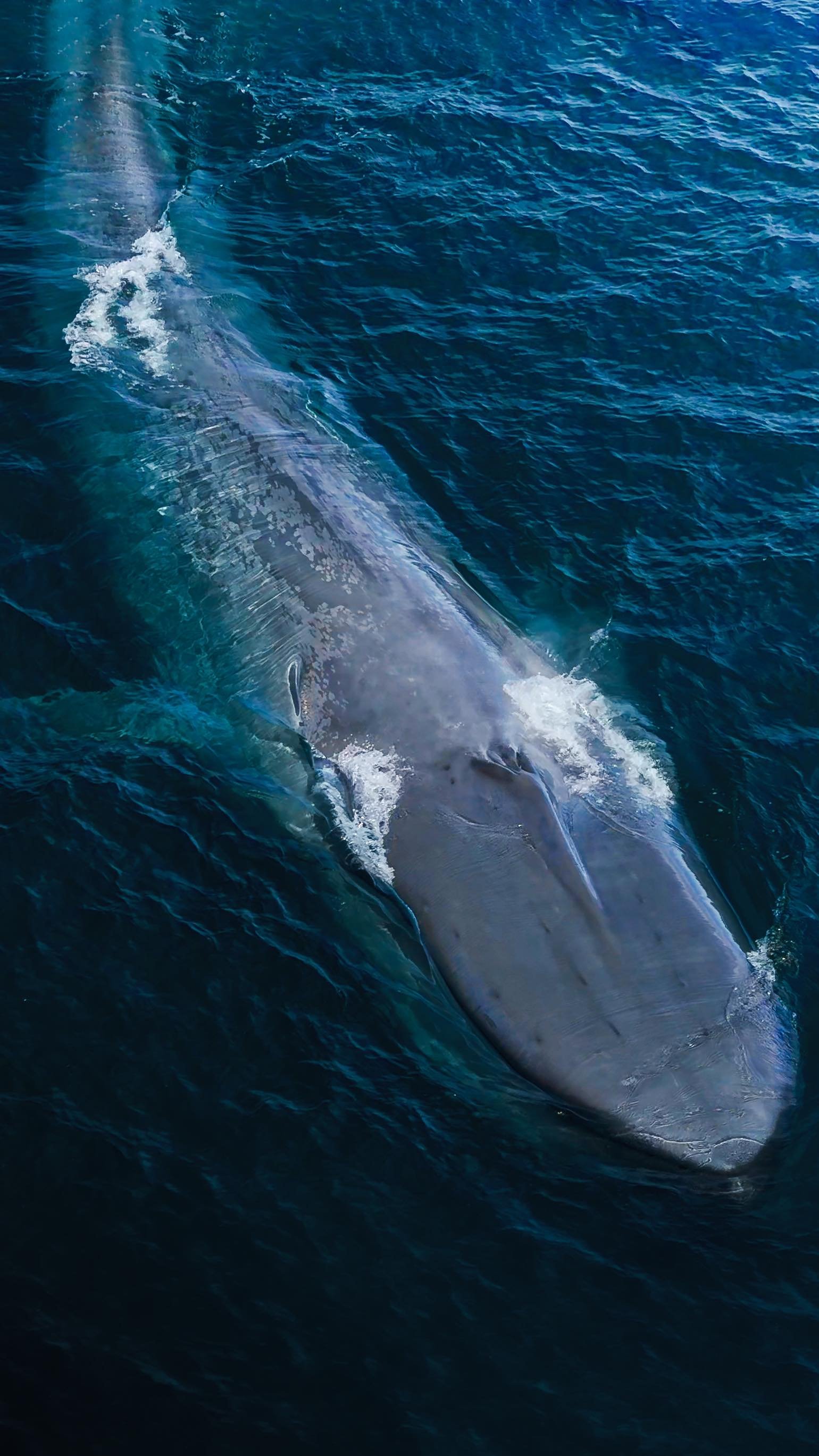
This is one of the reasons we recommend the 7-day expedition over the 5-day. More days means more weather windows, more chances if the rays move, and more opportunity for the other species — dolphins, whales, whale sharks, and the occasional orcas — that make up the full sea safari. The 5-day is a good backup if your schedule can't stretch, but seven days is where you get the most out of your trip.
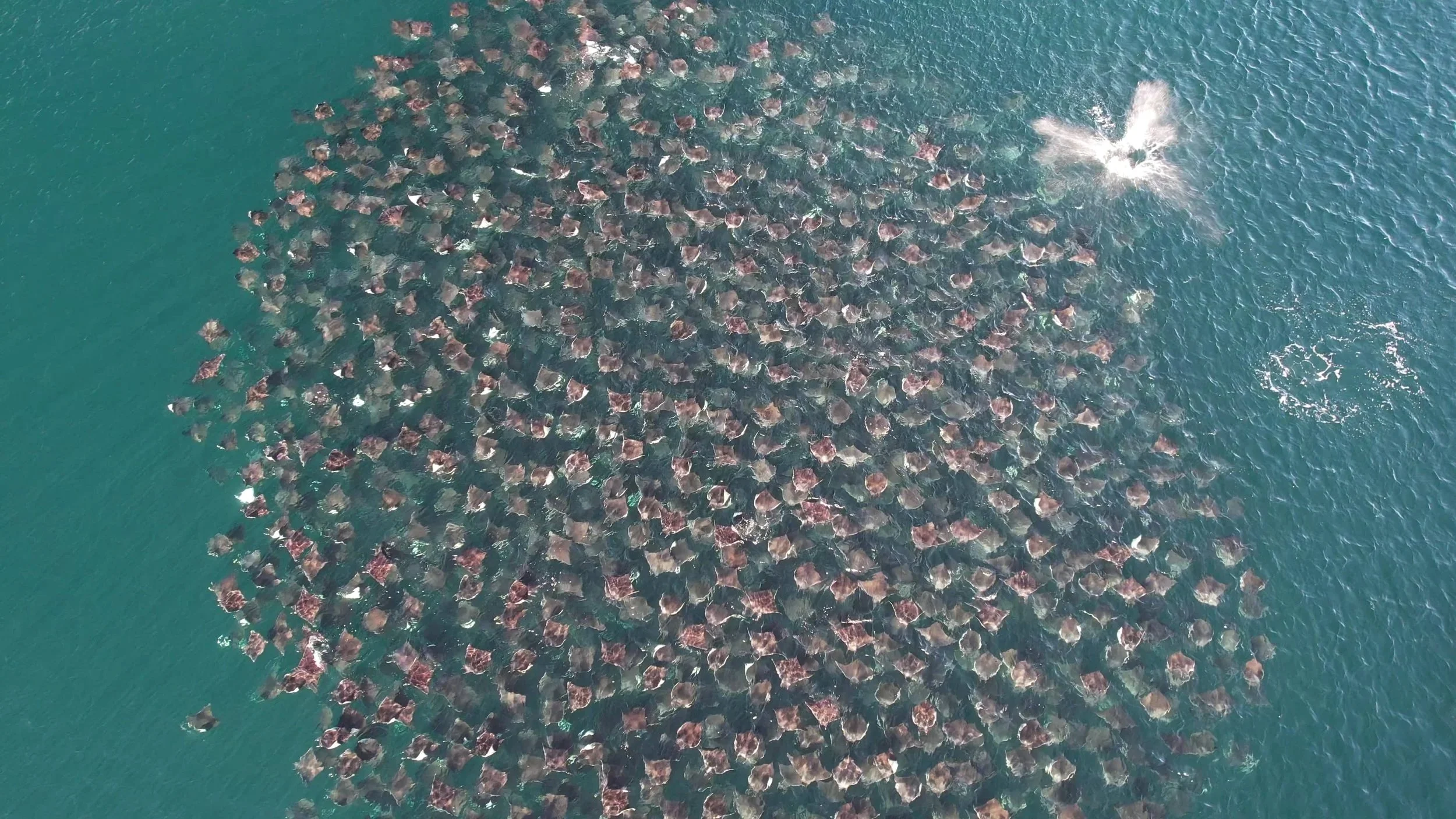
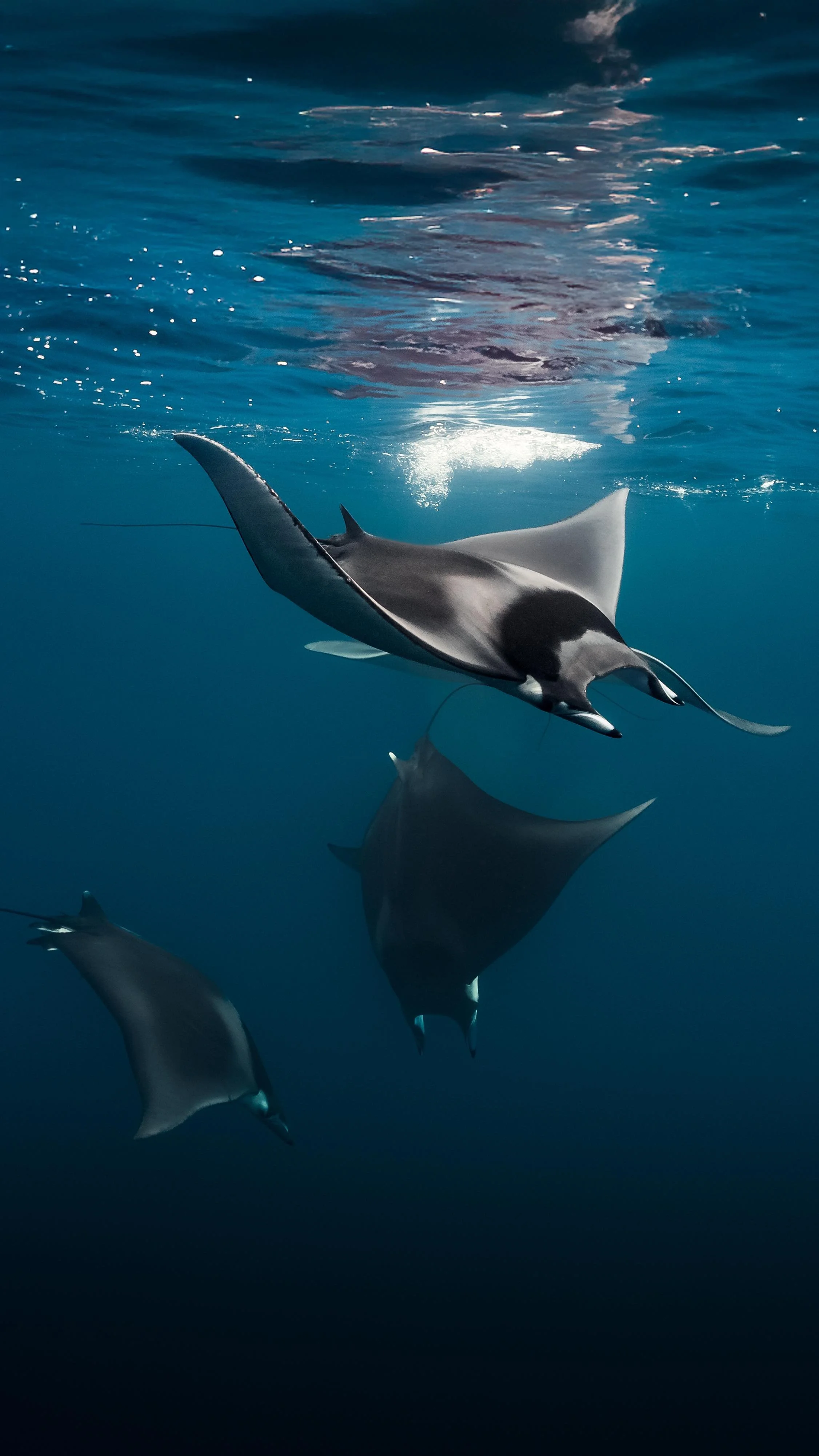
Thousands of Munkiana Mobula rays aggregate to Baja in search of food and mating
What you'll see (and what you might not)
Here's where most operator content gets too cheerful. So let's be clear about both sides.
What you're likely to see on most days:
Mobula rays. Lots of them. Depending on timing, fevers ranging from a few hundred to tens of thousands. But even with the huge numbers, we don't see them everyday.
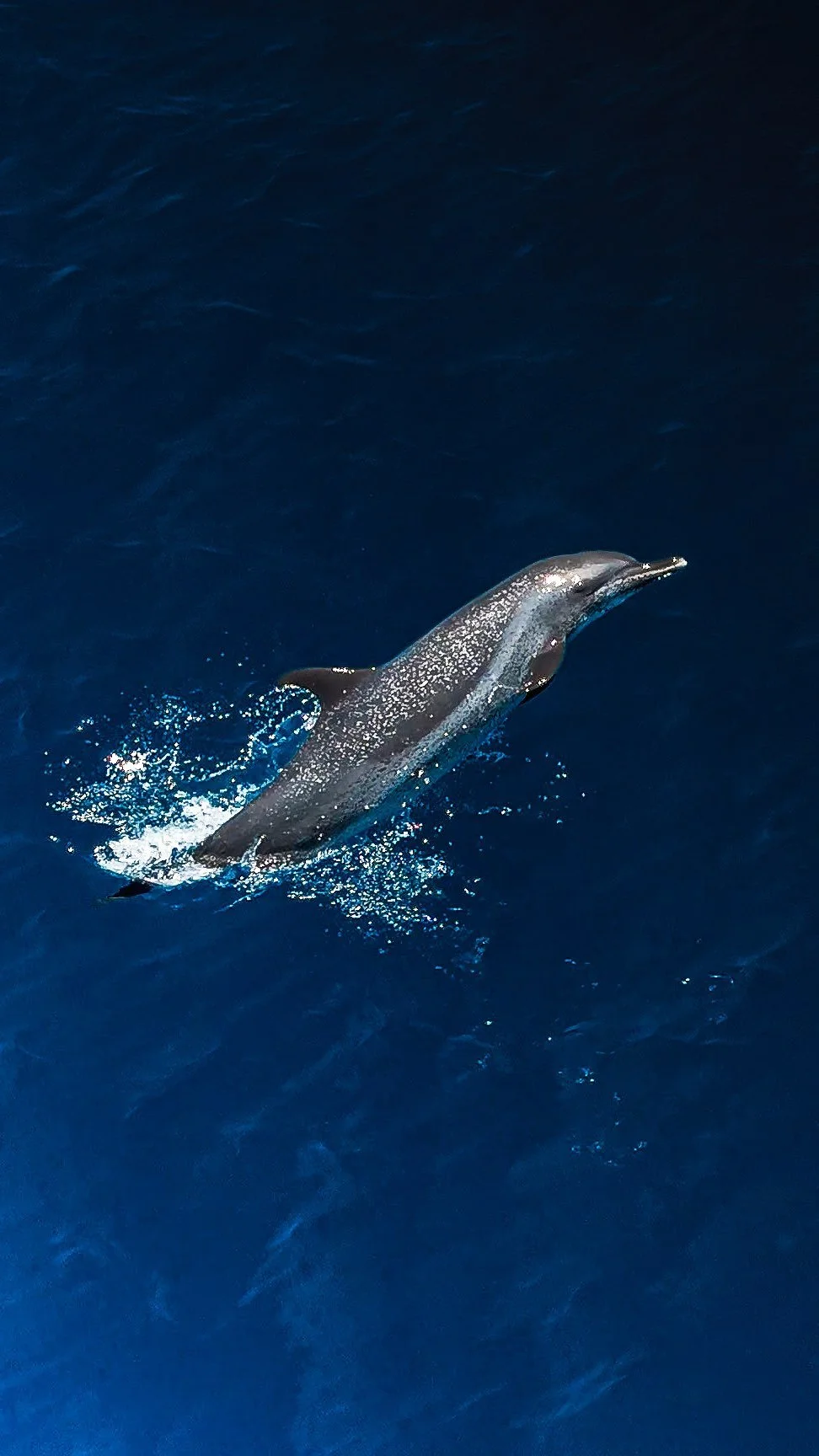
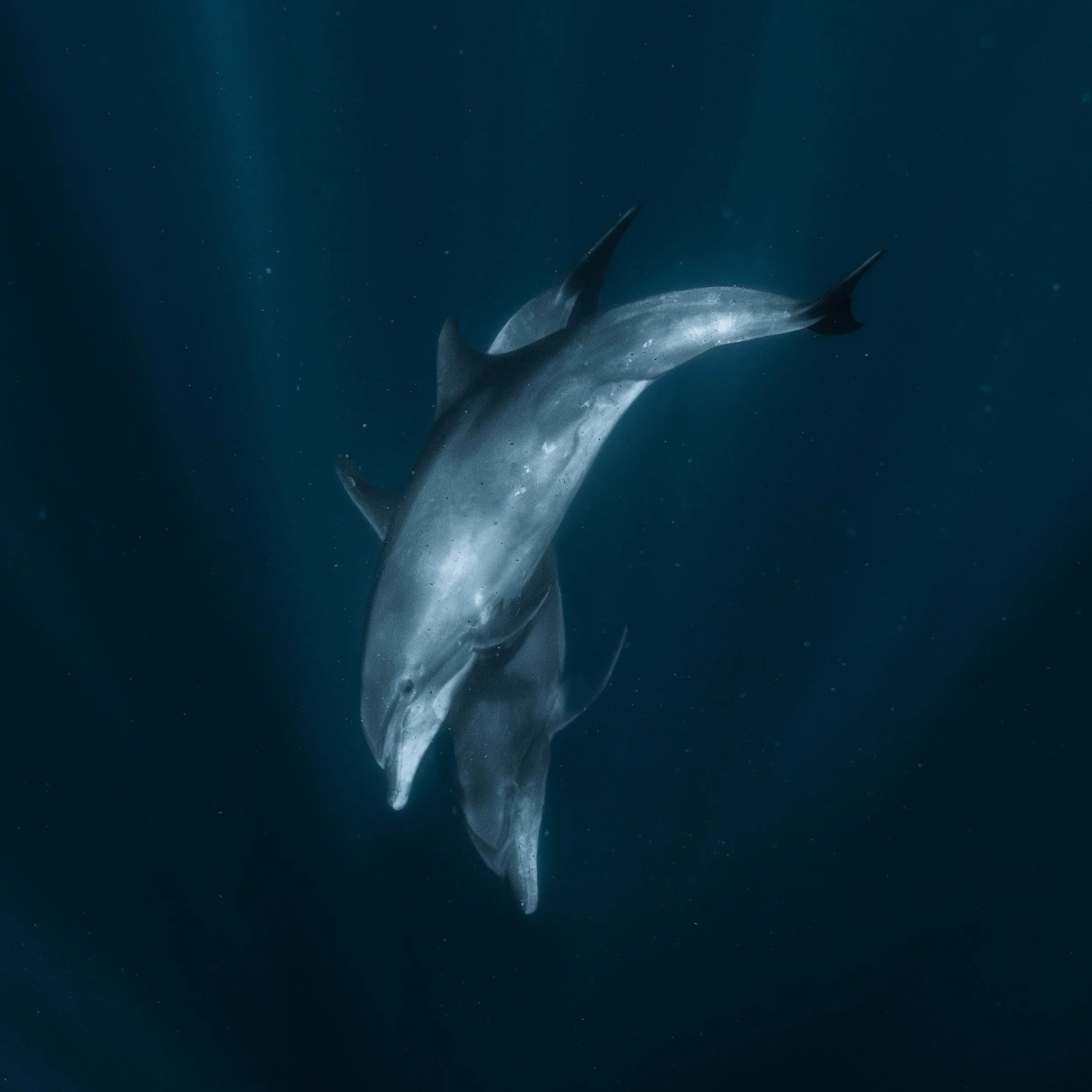
Dolphins: bottlenose, common, spinner, rough-toothed, or pantropical spotted. Pods can be small or thousands strong.
Sea lions at nearby island colonies.
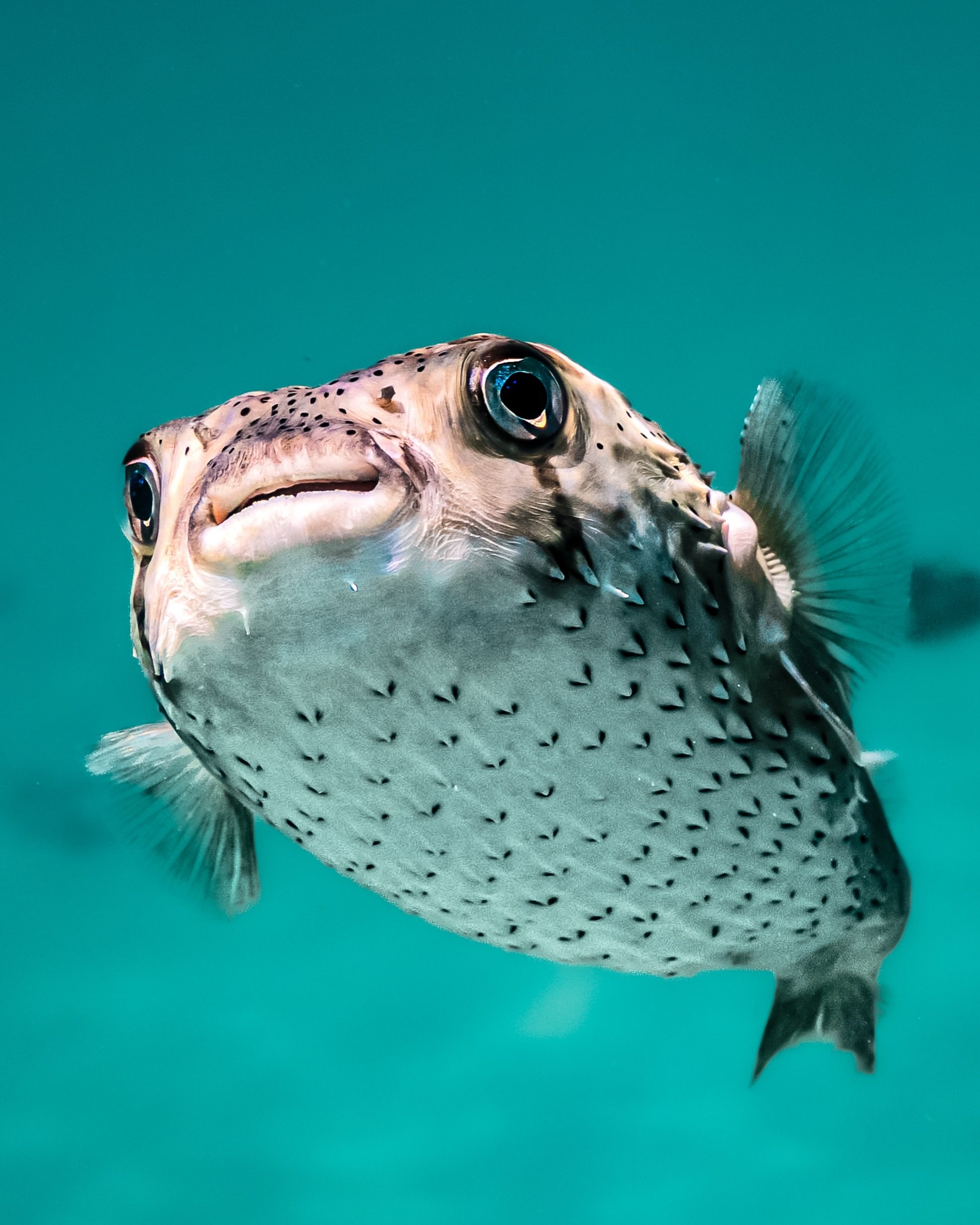
Sea turtles, various fish species, marine birds.
Beautiful conditions on most days: visibility typically 15–30 metres (45–90 ft), sometimes better.
What's possible on any given day:
Whale sharks, which pass through seasonally and sometimes linger.
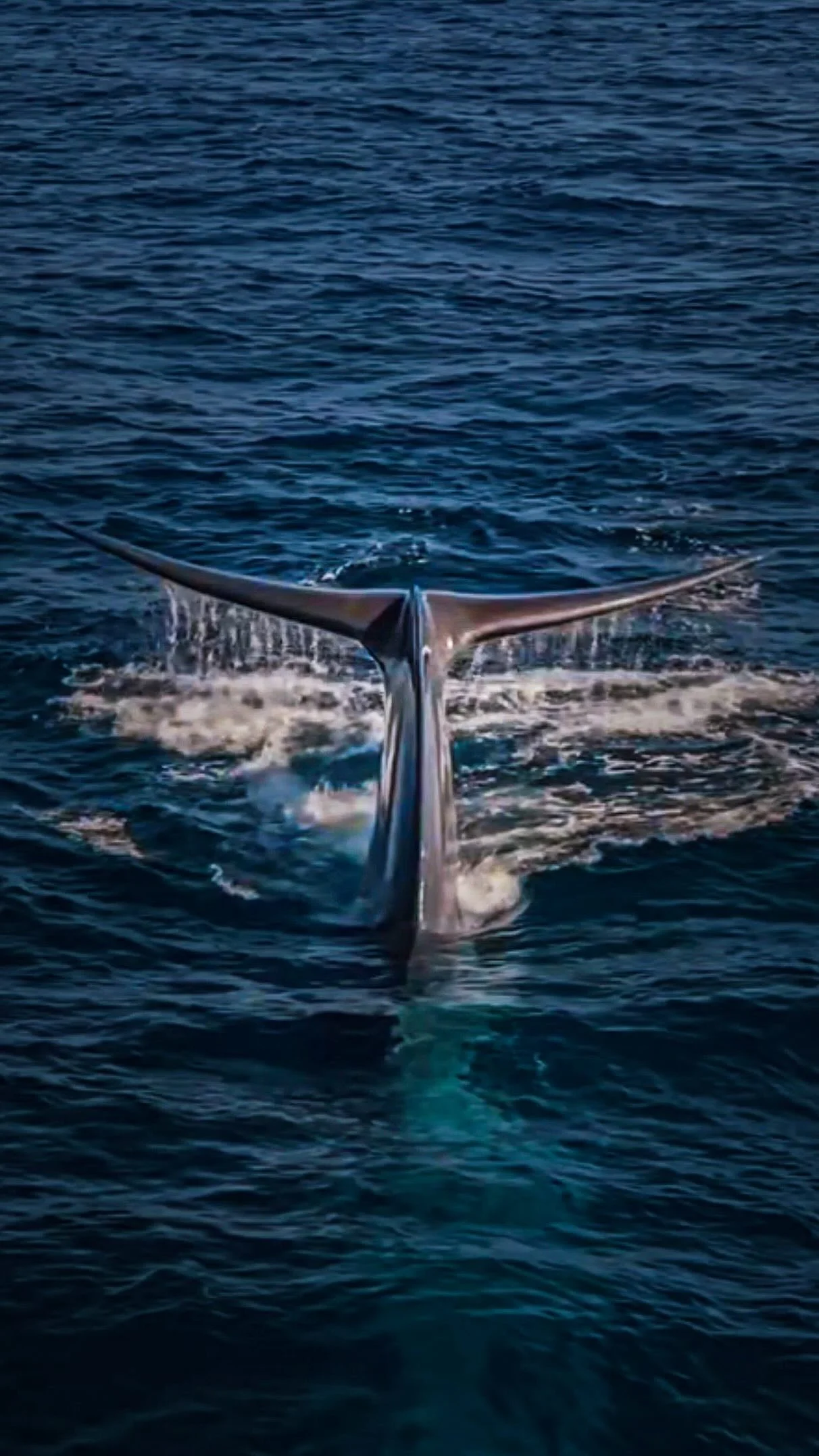
Humpback, blue, fin, Bryde's, sperm whales.
Pilot whales, false killer whales.
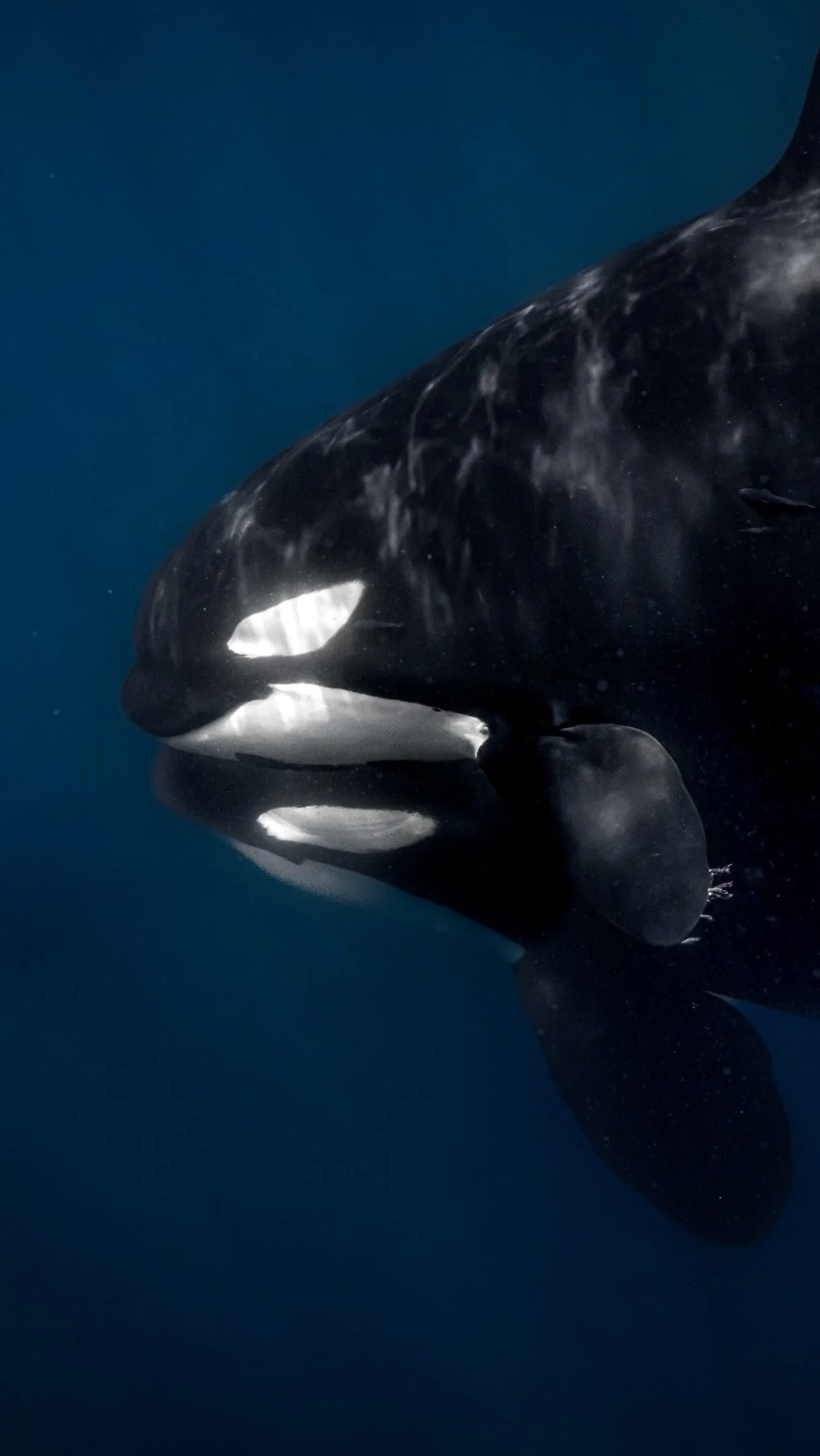
Orcas, though set expectations carefully.
Oceanic manta rays — bigger cousins of the mobulas, occasionally encountered.
Rare Cuvier's, Baird's, pygmy and Peruvian beaked whales
Dwarf sperm whales
Silky, mako, hammerhead sharks
What nobody tells you:
Mobulas spook easily. They're not like dolphins that often don't mind boats and come play in the bow. A fever of rays can be right beneath your boat, and the moment you drop into the water aggressively or make too much noise, they'll drop down and disappear into deeper water.
Not every day is a photo day. Some days the rays are deep. Some days the wind picks up and visibility drops. Some days you spend hours searching and find one fever at the end of the afternoon. That's nature. That's why you have more than one day on the water.
There is always a small chance of seeing very little, or even nothing. It's rare, genuinely rare, but weather, currents, and timing can conspire to make a week of light encounters possible. Any operator promising you a guaranteed experience is lying to you.
Boat pressure and operators not giving correct briefings on how to interact with Mobula Rays also affects the encounters. You should never freedive down through the middle of the fever and split them. Many do this (because it looks cool for the shot) and you can see that as more tourists have been visiting over the years, the mobula rays have become more skittish, and I believe that diving down through them and chasing them is a big factor for this.
It's not just mobulas. See our piece on [the diversity you're not expecting on the Mobula Expedition](/blog/mobula-expedition-sea-safari-diversity). A surprising number of guests come for rays and leave talking about the whale shark or the blue whale or the pod of 400 dolphins that surrounded the boat.


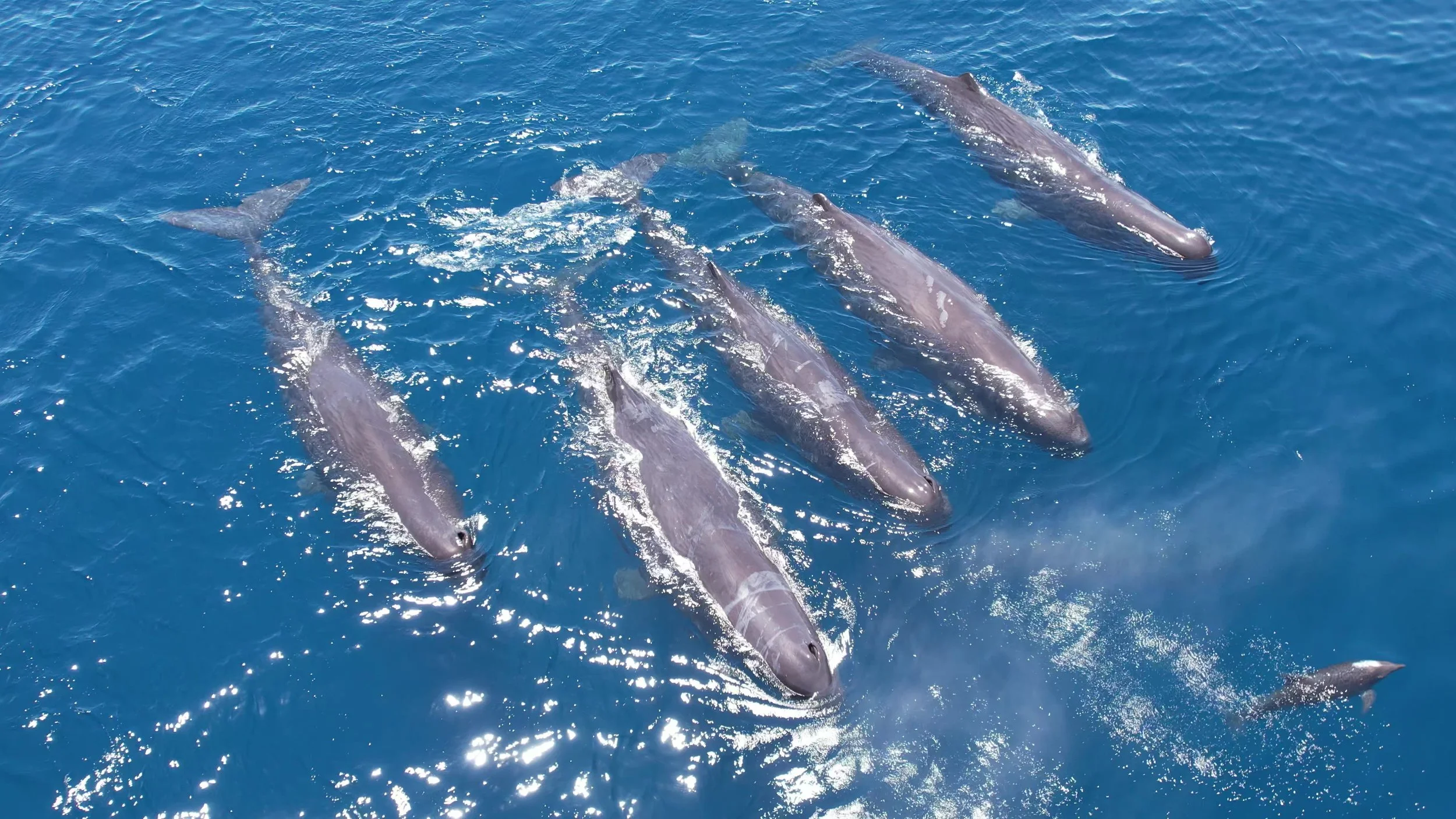
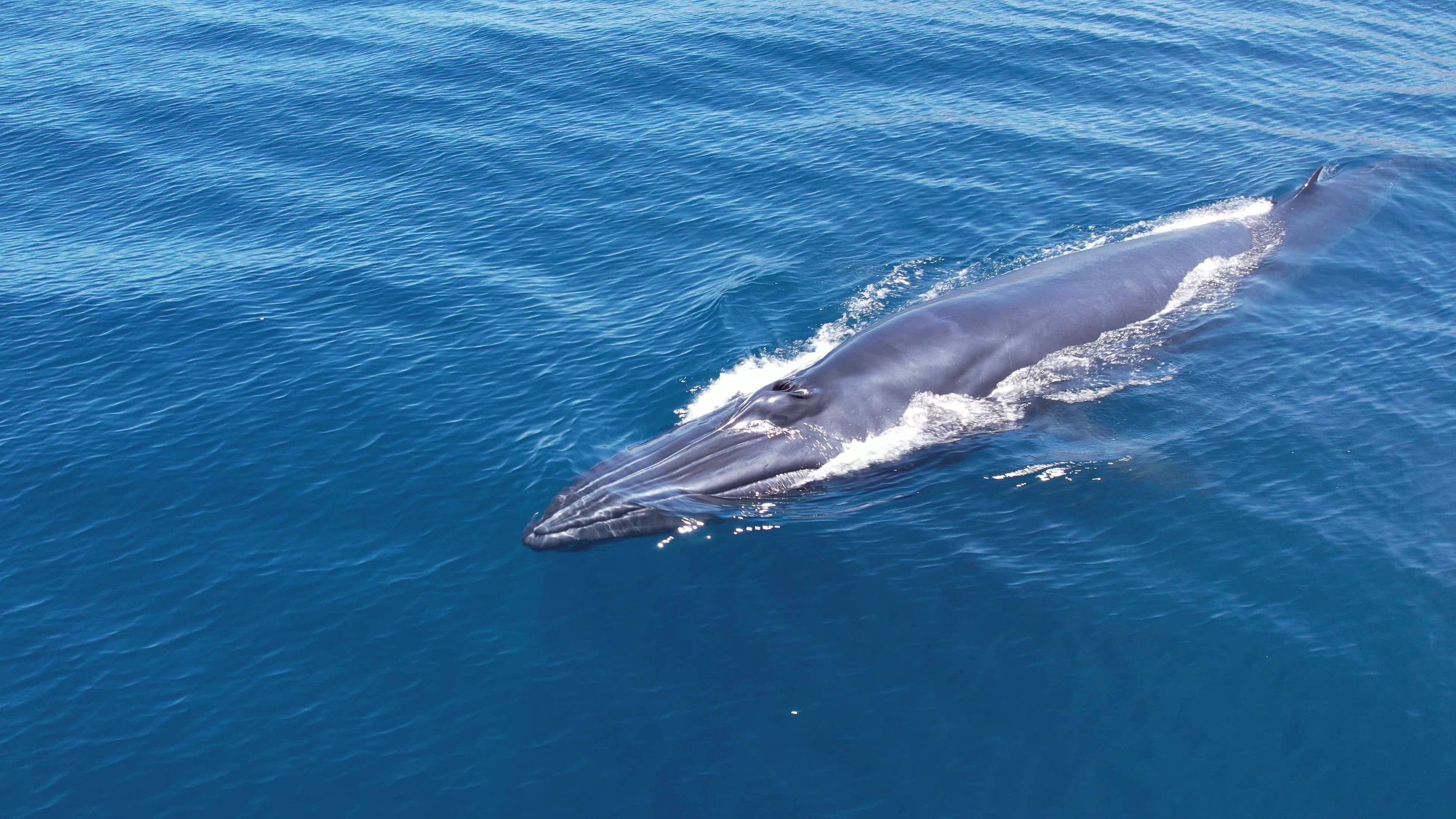

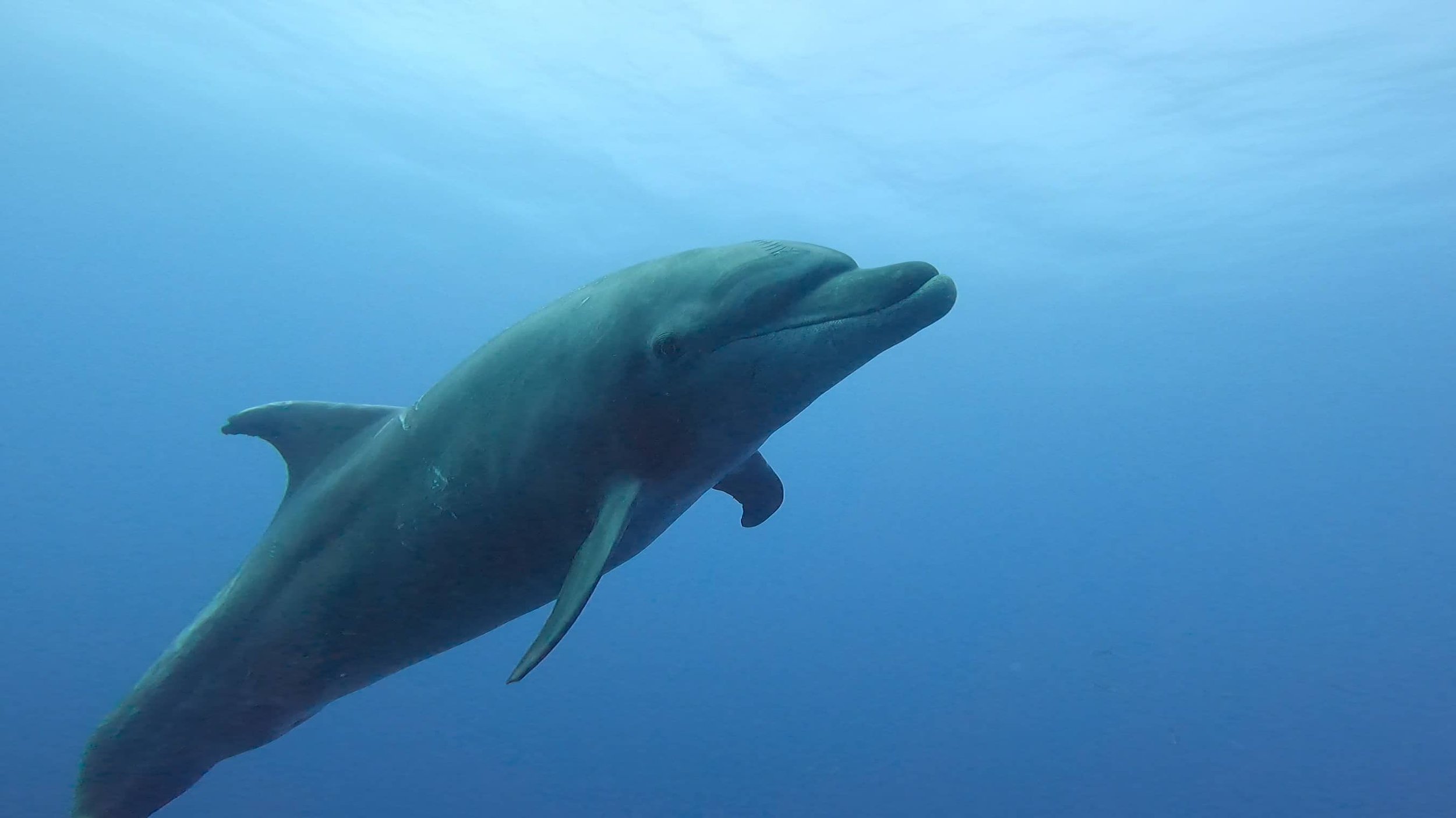
A typical day on the expedition
To give you a realistic picture, here's the rhythm of a standard day during peak season (but times vary due to conditions):
6:00–7:00 AM. Breakfast. Quick weather and conditions briefing from the captain and guide. Get ready for the boat.
7:00–8:00 AM. On the water. Heading out to search zones — the exact location depends on recent sightings, wind, currents, and where our crew thinks the rays and other animals are most likely to be that day.
First hour. Scanning. Sometimes we find fevers immediately. Sometimes it takes longer. We search wider than most operators stay, because staying in the bay and waiting for radio reports is how you end up with the same crowded experience as everyone else. The brief on how to interact with mobulas is given early so that our guests are prepared in case they pop up out of nowhere.
Mid-morning. First encounter window. The guide reads the fever and decides whether conditions support swimming with them. If yes, summary of brief in the boat, then carefully enter the water, no splashing, no loud entries, positioning from the side of the rays rather than chasing as this is a predator behaviour.
Lunch on boat. Usually during a quieter stretch or while moving between zones.
Afternoon. Continued searching. Often the best light and most active fevers come in the afternoon. Whale sightings, dolphin pods, sea lion stops — these can happen any time.
3:00–5:00 PM. Return. Rinse gear. Sometimes afternoon activity or educational presentation.
Evening. Dinner, hang with the group, prepare for the following day. Sleep and dream about what you saw that day!
Why the crowd problem matters
When the mobula migration exploded on social media a few years ago, La Ventana went from a quiet fishing town to one of the most concentrated wildlife tourism hotspots in Baja. That's good for the local economy. It's also created a crowd pressure problem that affects both the animals and your experience.
On a bad day during peak season, you can have 10+ boats surrounding the same fever. Engines running, people dropping in from every side, rays getting pushed deeper and deeper until they vanish. What could have been an hour-long intimate encounter becomes a chaotic 3-minute scramble.
The operators who deliver consistently good experiences, ours included, spend more on fuel, travel further, and actively avoid the crowds. We're not saying we're the only ones doing it right. But we are saying that choosing the cheapest tour in town almost always means a more crowded, shorter, more frustrating experience. There's a reason for the price difference, and it's not random — we've broken down what that reason actually is in our How to Choose a Responsible Operator in La Ventana blog)
Who this expedition is for
- Snorkelers and freedivers who want real in-water time with marine wildlife.
- Photographers and videographers looking for a rare, genuinely unique subject.
- Ocean-lovers willing to accept the unpredictability of nature in exchange for the potential of something extraordinary.
- People who want a sea safari, not just one species.
Who this expedition is NOT for
- Anyone coming only for orcas. Consider our Norway Herring Run Expedition through One Xpeditions instead.
- Anyone expecting a guaranteed experience.
- Anyone comfortable with the cheapest option.
FAQ
When is peak mobula season in Baja?
Mid-May to early June, generally. April through early July is the broader window.
Can you freedive with mobula rays?
Yes, when conditions and the rays' behaviour allow it, and NEVER through the middle of a fever! Our guide assesses this every encounter. You don't need to be an expert freediver, but basic snorkelling comfort and breath-hold are helpful.
What's the difference between mobula rays and manta rays?
Mobulas are smaller cousins of mantas. Both are in the Mobulidae family. See our full piece on Mobula Rays vs Manta Rays for the detailed breakdown.
Will I see orcas?
Maybe. Never any guarantees. Sightings happen roughly 10–15% of boat days during peak season. Don't book for orcas. Book for the sea safari.
5-day or 7-day?
7-day. More weather windows, more species chances, better rhythm. The 5-day is a solid backup if seven days isn't possible.
Join us
Join our Mobula Ray Migration expedition— April through June, small groups, independent searching, honest expectations. We recommend the 7-day option. Spots are limited because we keep groups small.
Check out our Wild Encounters on Instagram