La Ventana Snorkel Tour: Why Cheaper Isn’t Better (And What You’re Really Paying For)
If your tour is $50 cheaper than everyone else’s, somebody’s cutting something. Usually it’s fuel. Sometimes it’s your life jacket.
Intro
Here’s a question I genuinely want you to sit with for a second: why are some La Ventana snorkel tours $85 a person and others $200?
The honest answer isn’t “one operator is greedy and one is generous.” Or at least, it’s not just that. The honest answer is that a snorkel tour that costs $85 per person genuinely cannot deliver the same experience as one that costs $200. The maths doesn’t work. Boats cost what boats cost. Fuel costs what fuel costs. Safety gear, guides, insurance, boat maintenance… none of this is free. When a tour is 50% cheaper than a comparable one, somebody somewhere is skipping steps. Often you don’t find out which steps until you’re already on the boat and it’s too late.
I run one of the operators in this town, so obviously I’m not neutral. I’ve seen what a bad day looks like when you book the cheap option. Sometimes it’s disappointing. Sometimes it’s dangerous. Very occasionally it’s both.
So here’s the proper breakdown. You can still book the cheap one if you want. But at least do it with your eyes open.
What a cheap tour day actually looks like
Let me walk you through a fairly standard $85-per-person day in La Ventana. Nothing in here is fictional. I’ve watched all of it happen.
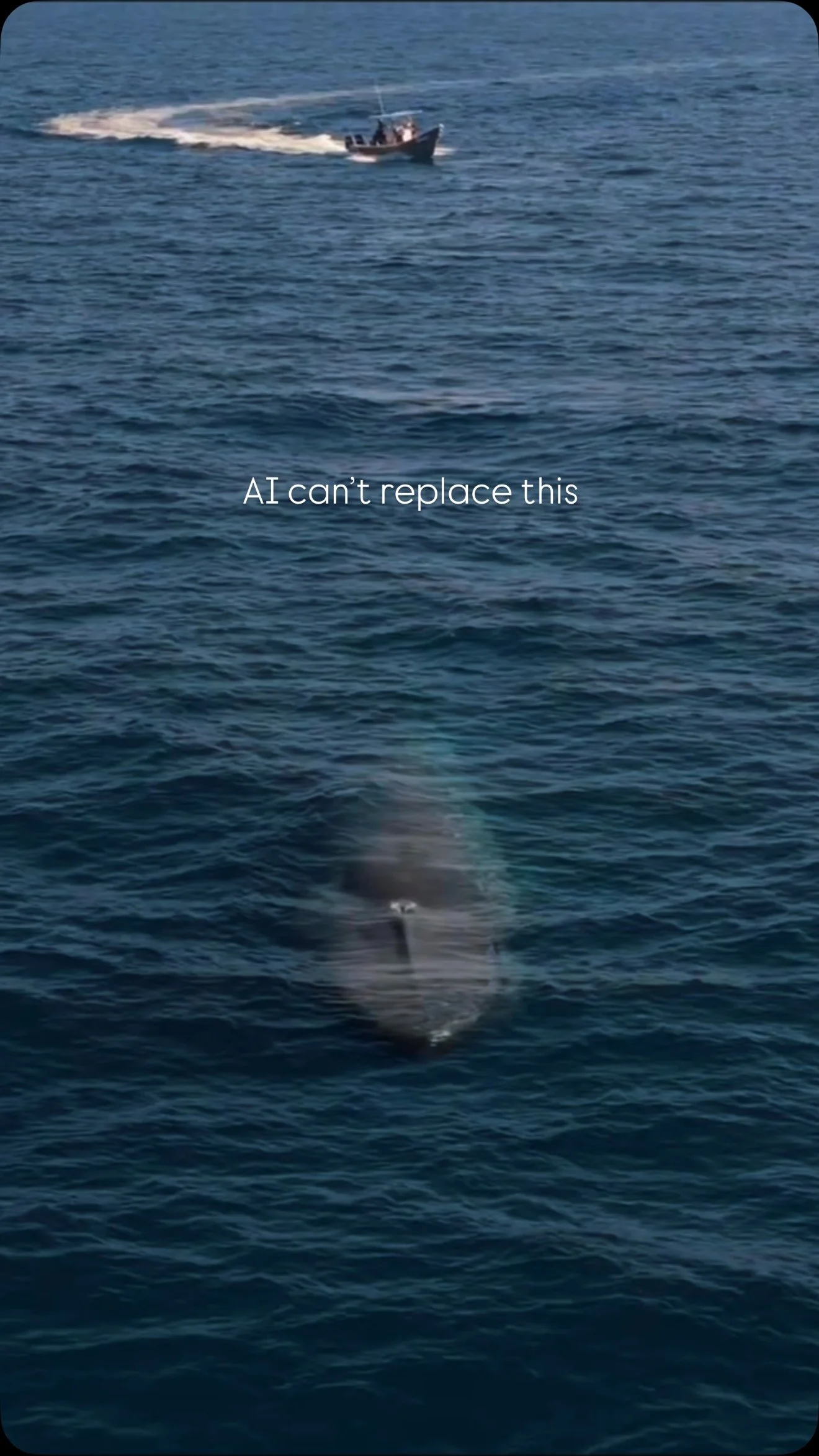
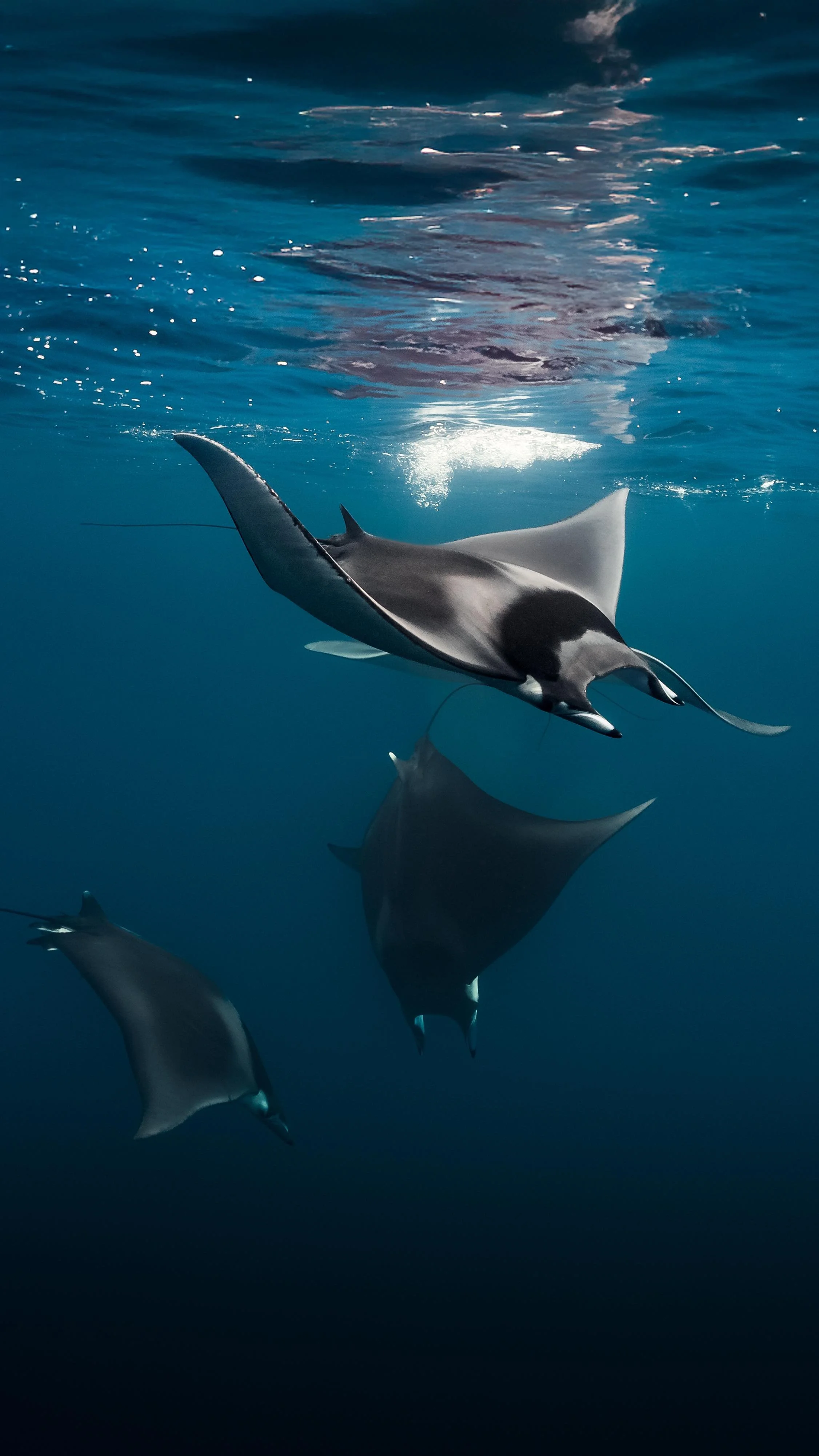
You meet at the beach at 8:30am, a bit late, because the boat is still being fuelled. You and eleven other people (advertised as “small group”) pile onto a panga that comfortably holds eight. You head into the bay. The captain has a radio. He turns it up. You bob around for twenty minutes while he waits for someone else to find something. Eventually, another boat calls in a mobula fever 4 kilometres further south. Your captain hits the throttle. Twenty minutes later, you arrive to find five other boats already at the sighting. People are dropping in from every direction. The rays are already moving deeper. You have five minutes in the water with tail ends of a fever that’s leaving. You get back on the boat. The radio crackles again.
Repeat until you’re back at the beach at 2pm.
Maybe you saw something. Maybe you didn’t. Either way, the day felt chaotic, you shared every sighting with half the fleet, and you got back to your hotel vaguely unsure whether La Ventana is actually worth the hype.
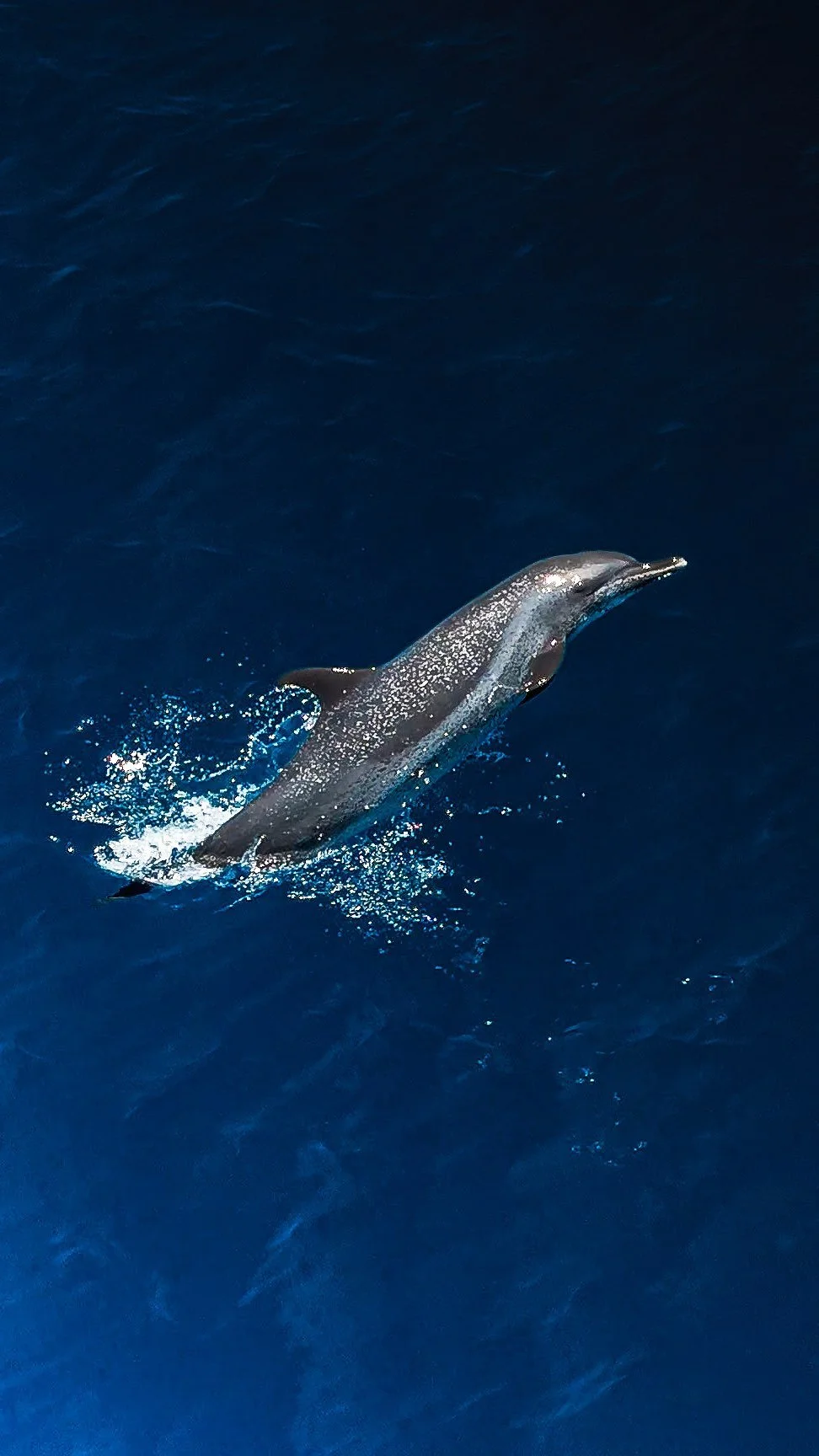
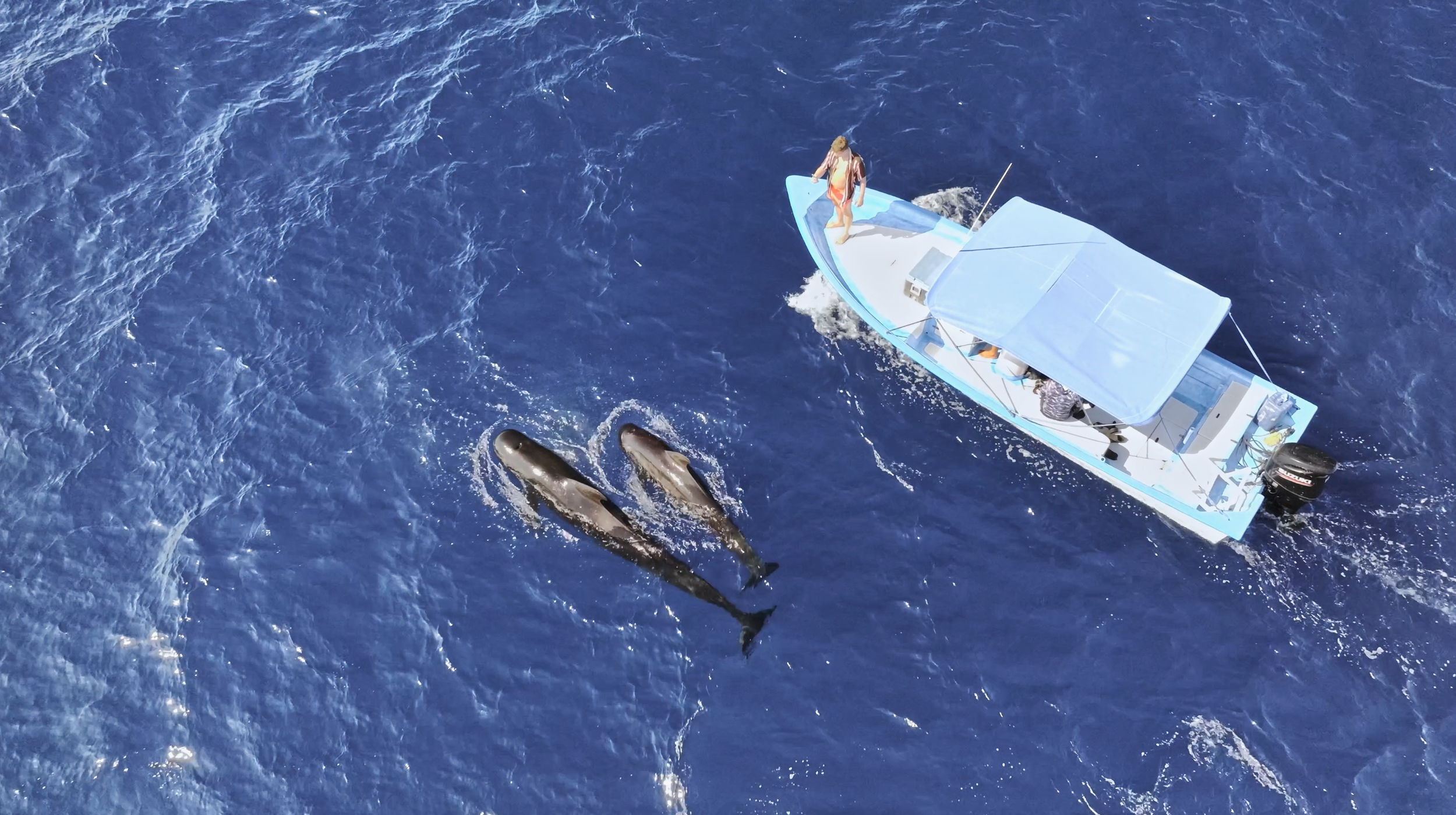
Meanwhile, the $200 tour that left from the same beach that morning? They went north instead of waiting for radio reports. They found a quieter fever. They spent an hour with it. Nobody else showed up because nobody else had bothered to look there. They saw dolphins on the way back. They got proper briefings, proper guides, a proper lunch, and the whole thing felt like a day rather than a scramble.
Same ocean. Same morning. Completely different experience.
What you’re actually paying for with a good operator
Boat range and fuel
The best wildlife encounters in La Ventana are rarely right in front of the village. They’re further out, in areas the fleet hasn’t spread into yet. To get there and back, a boat needs fuel, a lot of it on a full day. A good operator fills the tank. A cheap operator fills what they think they’ll need.
I’m not exaggerating when I say I’ve been radioed to help tow cheap boats home because they’ve run out of fuel. Sometimes in daylight, sometimes not. The Sea of Cortez in the evening, without running lights, in open water, is not where you want to find yourself because your captain saved $20 on fuel that morning.
More importantly: a boat with a full tank can commit to a direction. It can keep searching when the first spot is quiet. It can travel north when the radio says everyone is south. That flexibility is the difference between finding your own wildlife alone and bobbing around waiting for someone else to find it for you.
A proper guide
Not just a captain. A proper guide.
A captain’s job is the boat: steering, anchoring, reading the water, not hitting things. A guide’s job is the wildlife experience and your safety in the water. They translate information between the captain (that often only speaks Spanish) and you the guest. They brief you before you jump in. They read the animals’ behaviour in real time. They pull you out if the conditions turn. If something goes wrong while you’re snorkelling such as leg cramp, panic, drifting current - they can help you. The captain can’t. He has to stay with the boat.
Cheap tours often skip the guide to save money. Just a captain and a boatload of guests. Which works fine until it doesn’t, and “doesn’t” in open water can escalate quickly. What are you going to do if there is an injury in the boat and someone is unconscious? The captain can’t get in the water, the other guests aren’t trained… let that sink in.
There’s another thing about guides that doesn’t get talked about enough. Animals behave differently in different places. A bottlenose dolphin in La Ventana behaves differently from a bottlenose dolphin in the Bahamas or Rangiroa or Socorro Island. Same species, different personalities, different habits, different tolerances. A guide who knows the specific pods in this specific patch of ocean can turn a ten-second dolphin fly-by into a thirty-minute hang. An inexperienced guide, or no guide at all, turns it back into a ten-second fly-by.
Safety equipment
Life jackets. Back up VHF radio that actually works. First aid kit. Spare fuel. Spare battery. This is the stuff that doesn’t matter at all, right up until the moment it does.
When a tour is cheap, this is one of the first places money gets cut. And the cut isn’t always obvious. The life jackets look fine - until you notice they’ve been stored in a damp locker for five seasons. The radio works on the dock - until you’re 8 kilometres out and need to call for help.
You won’t know what safety equipment your operator has unless you ask. So ask.
Boat maintenance
Pangas get hammered by saltwater. Engines need regular service. Fuel lines need inspection. Hulls need checking. Bilge pumps need testing. Batteries need replacing. All of this is money and time, and operators on tight margins defer maintenance to stay profitable.
The result: engines that fail mid-trip, leaky fuel lines, bilge pumps that don’t kick in when you need them, anchors that drag in a current. None of this is theoretical. I watch breakdowns happen in this bay most weeks during peak season.
The crew wage question
Here’s a quieter one that affects everything: how is the crew paid?
At cheap operators, captains and crew often earn a low base wage, with tips making up most of their income. Now imagine you’re the captain. You have ten guests on the boat. They’ve paid $85 each. They’re hoping for mobulas, or dolphins, or a whale shark. If they don’t see anything, they won’t tip. If they don’t tip, you can’t pay rent. What do you do?
You push. You approach animals more aggressively. You stay closer than you should. You let guests in the water when the conditions don’t warrant it. You break the odd rule. You chase a pod that’s trying to leave. All of this is unethical for the animals, occasionally illegal, and bad for the guests because a stressed animal stops being interesting to watch within minutes.
At a better operator, the crew earns a proper wage. Tips are a bonus, not the income. Which means the captain and guide can make the right call - “no, we don’t put people in the water here, the animals aren’t ready” without worrying about the rent.
The “what’s included” trick
Pay attention to this one. It’s where most people get caught.
A tour advertised at $85 sounds great until you read the small print. Some things routinely missing from cheap quotes:
National park or permit fees. Mandatory in some places. Not optional. $25–40 per person per day depending on where you’re going. Somehow not in the headline price.
Equipment. Mask, snorkel, fins, wetsuit. Rented separately at inflated prices when you get there.
Guide fee. Yes, really. Some operators charge a base boat price and then add a guide fee on top.
Lunch. Out from 7am to 1-3pm with no food. You’ll be miserable by 11.
Water. Similarly essential.
Tips. Heavily expected on low-margin operations. Practically baked into the price.
By the time you add everything up, that $70 tour is closer to $130 — which is, suspiciously, what the honest operator quoted you in the first place without any of the stress.
What good looks like
Transparent pricing.
They tell you exactly what’s included and what is not, no small-print surprises.
Named guides with real local experience.
Not just “our captain,” but the person who’ll actually be reading the water and keeping you safe in it.
Small, firm group sizes.
An operator who says “max 6 guests” and then stuffs 9 on the boat is not to be trusted.
Proper boats.
Maintained, fuelled, equipped. If you can see the boat before you book, look at how it’s kept.
Willingness to turn you away.
A good operator will say if their tour isn’t right for you.
Quiet-day posts in their social feeds.
Operators who only post the highlight reel are marketing-first. Operators who’ll occasionally post a slow day, a weather cancellation, a conservation moment, or a genuine educational bit are the ones who’ll level with you on a bad day.
Clear ethics.
Ask them what they do when an animal doesn’t want interaction. A good operator will tell you exactly: back off, observe from distance, move on.
Things to check on the website before you book, and ask if you don’t see
What’s included in the price? What’s extra?
How many guests per boat, and is that firm?
Who’s the guide, and how long have they been working in this area?
How do you handle days when there’s nothing much around?
What safety equipment do you carry?
What’s your cancellation and weather policy?
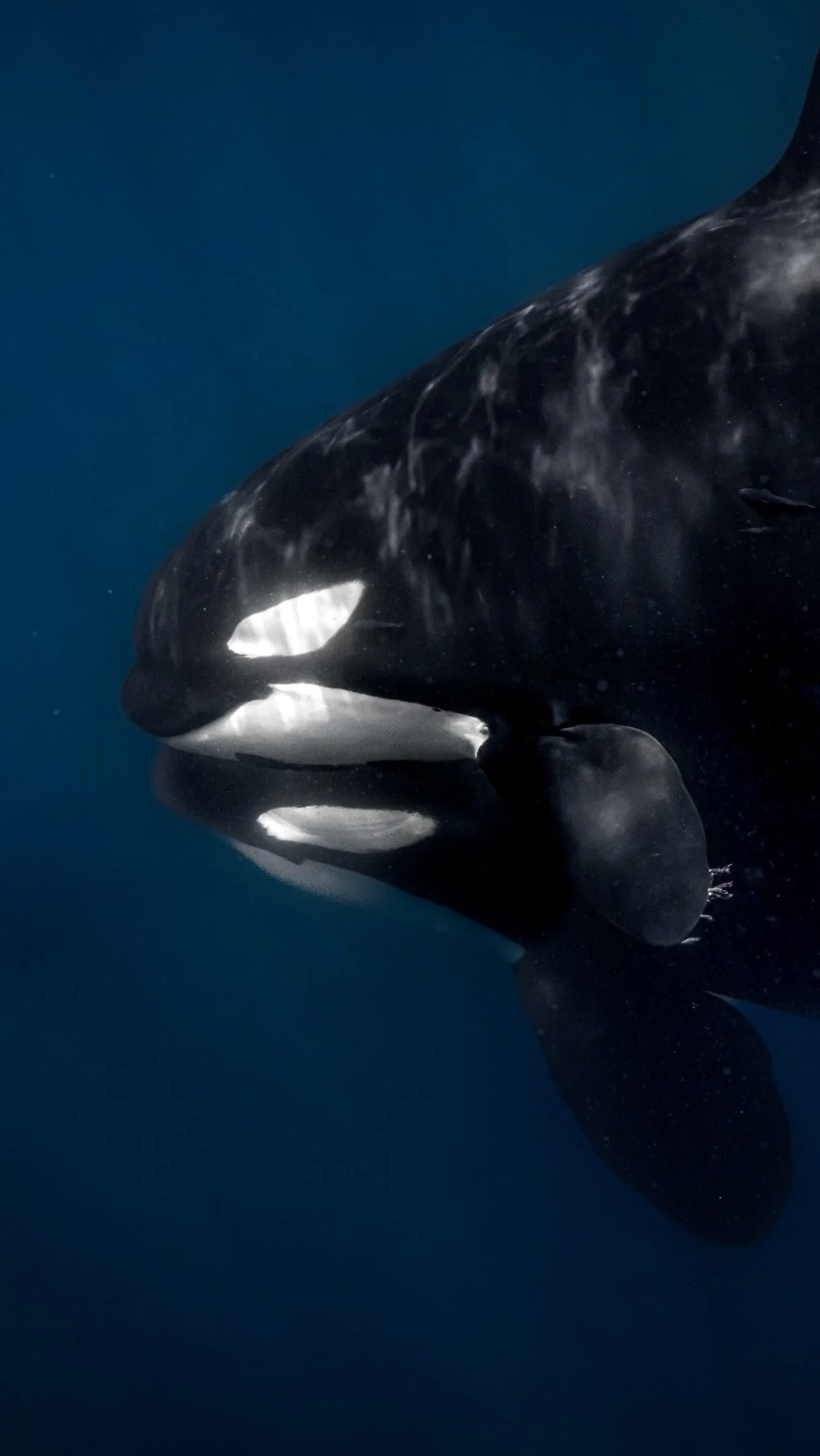
Are you a permitted operator for orcas if that comes up?
If I’m not sure this tour is right for me, what would you suggest instead?
A good operator will answer all of these clearly. A rushed operator will deflect, downplay, or push you to "just book, you'll love it." You know which one to pick. We help you in our article on How to Choose a Responsible Operator in La Ventana
FAQ
Why is there such a big price range for La Ventana snorkel tours?
Because different operators include different things, run different boats, employ different crews, and travel different distances. The headline price difference often disappears once you add up everything a cheap tour doesn’t include.
Is the cheapest tour ever the right choice?
Rarely. Sometimes a smaller operator undercuts the big ones because they don’t have marketing overhead. But “cheapest” and “best” almost never line up when it comes to safety, ethics, and actual experience.
What if my budget is genuinely tight?
Book a shorter tour with a good operator rather than a longer one with a bad one. A half-day with a solid team beats a full day with the wrong one. Or save a bit longer and do it once, properly. Ask for discounts, you may get lucky with a last minute offer.
How can I tell before I book if an operator is legit?
Look at their website, check real reviews (read the text, not just the star ratings), email them real questions, and pay attention to how they respond. Honest operators engage with hard questions. Dodgy ones send a brochure.
What happens if the operator cuts corners and it ruins the day?
Unless you paid by credit card and can dispute the charge, you're mostly stuck. Which is why the pre-booking conversation matters so much.
JOIN US!!
If you're ready to book a La Ventana snorkel day that isn't a race to the bottom, our La Ventana Snorkel Tour runs small groups, experienced guides, maintained boats, and honest pricing. We're not the cheapest tour in town. We're fine with that. Come out with us and you'll understand why by the end of the day.

Check out our Wild Encounters on Instagram