If your tour is suspiciously cheap, there’s usually a reason. Often several. Occasionally a coastguard is involved.
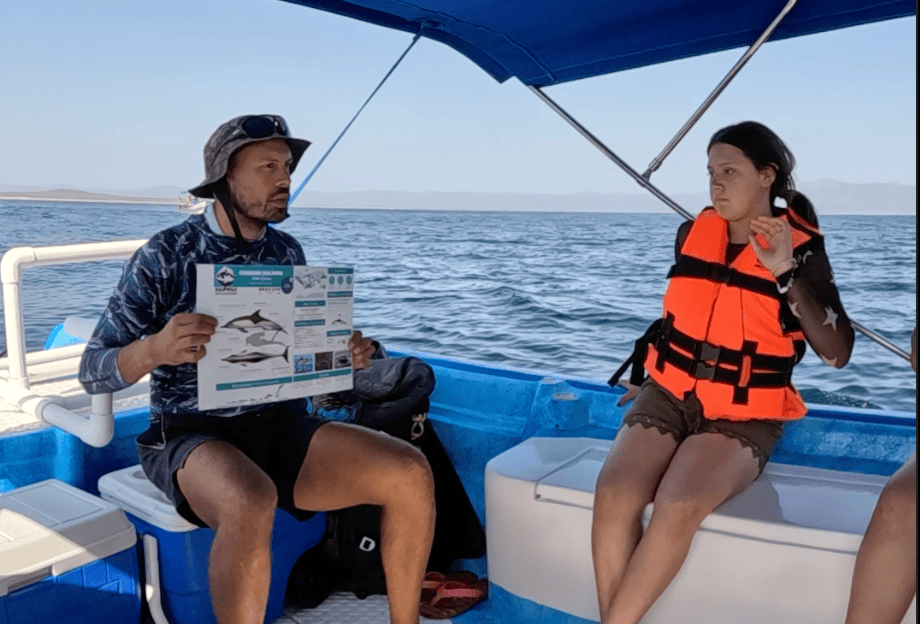
Education is the key to conservation, all Baja Wild Encounters’ tours are packed with lots of information and fact sheets.
Intro
La Ventana didn’t used to be on the map. You’d tell people you ran wildlife tours out of a tiny village in southern Baja and they’d be like “yeah in Cabo”. Then came Instagram, then the orcas, then the mobulas, then Blue Planet II, then every second person in the wildlife photography community decided La Ventana was the next bucket-list stop. The result: a village of a few thousand people now has every man and his dog selling sea safari tours, more boats in the area than it knows what to do with, and half of them are competing on a single variable… price.
Which is fine, except that’s how a lot of people end up having a bad day.
I run one of these operators. I’m not neutral. But I’ve also been on the water here long enough to watch the race to the bottom play out in real time, and I’ve pulled people out of more than one situation where “I just booked the cheapest one” or “this one was half the price, so I thought I’d give it a try” ended somewhere between disappointing and dangerous. So here’s what I’d tell a friend asking where to book.
The cheap-tour playbook
Let me describe a typical budget operator’s day, as honestly as I can. You might end up on one of these tours, and everything I’m about to describe could happen, and yes we do take into account that we are in a remote location and things do occasionally go wrong, but it’s when it occasionally becomes often with the same people:
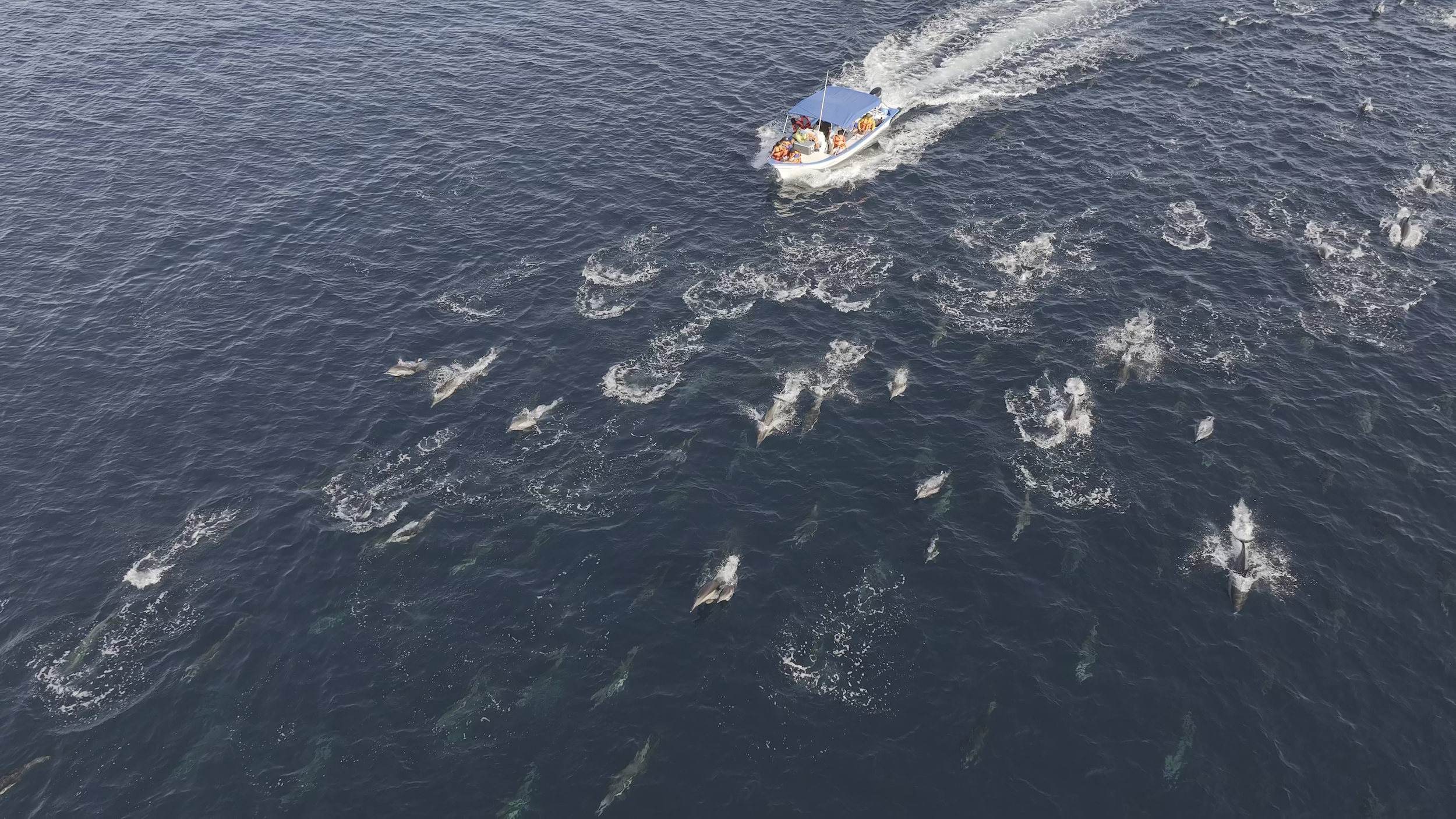
You meet at 7am, the boat and captain arrive later for whatever reason or there was an issue with the boat already. You pile into a small panga with ten other people (advertised as “small groups”). You head out into the bay. You stop, bob, wait. The captain listens to the radio. You wait some more. You ask the captain “can we move around the area to search for the animals?” Reasonable question on a sea safari, he says “no, we have other boats out there searching, so we will wait for the reports.” Someone, somewhere, has found mobulas or a whale shark. The whole fleet is alerted. Your boat starts the engine and races to the spot, where you arrive to find seven other boats already there. Engines idling. People dropping into the water in every direction. The animals are spooked and already moving to deeper water. You get in, you get tiny amount of snorkelling because the animals are already evasive, you get back on the boat, you move to the next radio report. Repeat.
Maybe you see something great. Maybe you don’t. Either way, the experience is chaotic, the animals are stressed, and the whole time you’re wondering whether this is what you paid for.
And that’s the best-case version. The worst cases, which I’ll get to in a minute, involve the boat running out of fuel at sea.
* Don’t get me wrong, we also listen out for reports, but it is not our sole method of finding animals, we search long and far to try to find them by ourselves.
What you’re actually paying for with a good operator
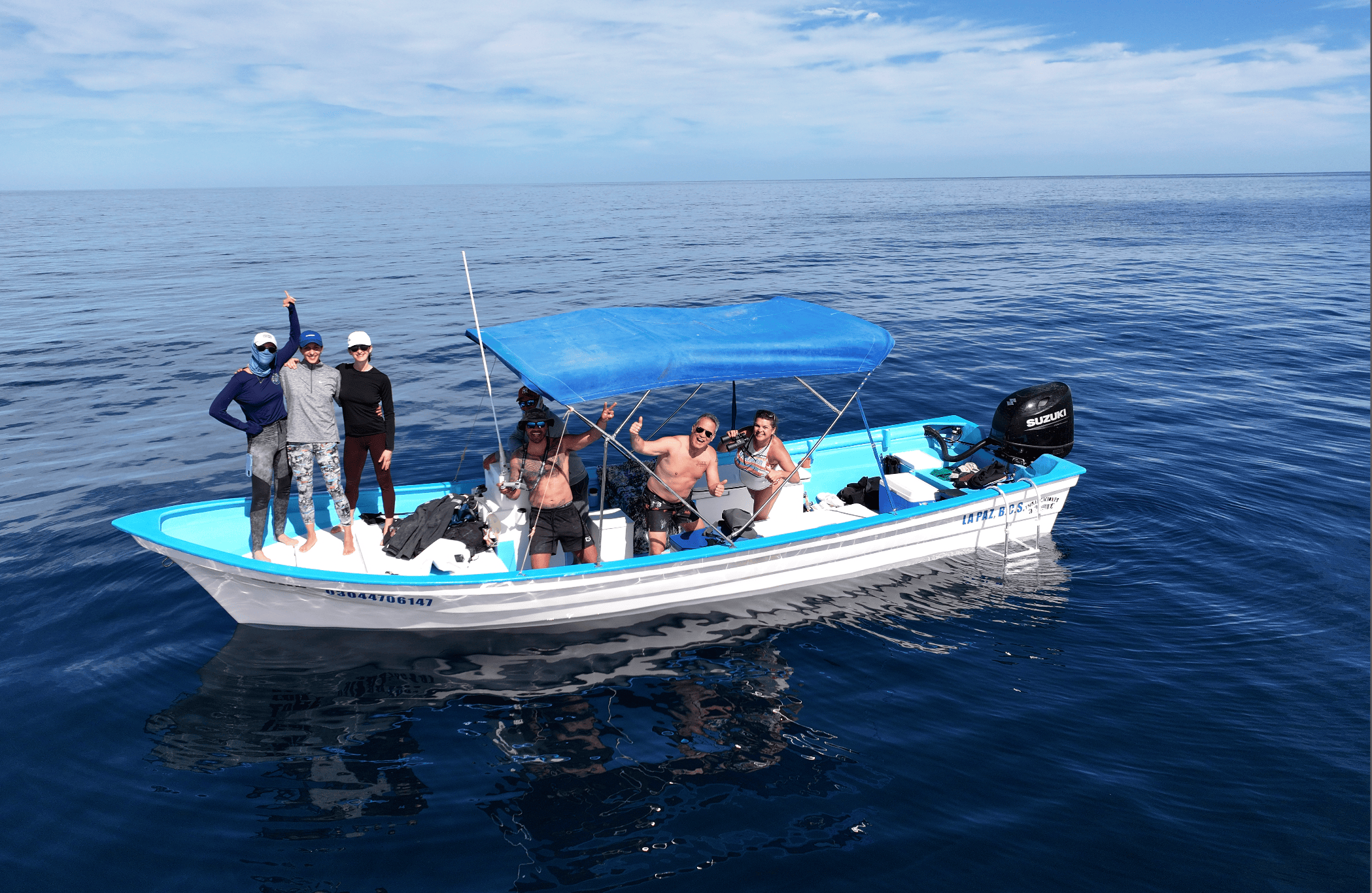
The honest answer is: boat range, fuel, a bi-lingual guide who can read the water and animals, safety equipment, and the discipline to leave the bay when everyone else is staying in it.
Boat and range
A good operator has a well maintained, clean boat capable of going further than the bay. The best encounters are less crowded, more relaxed animals, better visibility (often offshore depending on time of the year) are usually not where the other boats cluster. They’re further. You need a boat that can get there and back safely, comfortably, and with fuel to spare. Cheap operators often have boats that can technically go further but they often tend not to want to because it uses more money and when charging cheap and captains often working on tips, the margin is squeezed tighter.
Fuel
Sounds basic. It isn’t. I know many operators who regularly leave the harbour with their tank not full, just enough to last what they think the day will need, because they either don’t want to spend the extra on gas because they charged so cheap, or they physically don’t have enough gas in the boat because they wanted to save on weight and money. If the weather turns, or the wildlife is further out than expected, or there’s current, or more people on the boat than planned, they run out. I have personally been radioed to help tow boats home. In the evening, without running lights, back up radios, back up batteries, etc, in open ocean where currents and weather changes and can take you into the middle of the big blue Sea of Cortez without warning. This is not a made-up horror story to scare you into booking with me. It’s Tuesday.
A proper guide
Not just a captain. A captain’s job is the boat. A guide’s job is the wildlife and your safety - reading animal behaviour, briefing you before you enter the water, keeping you safe in the water, and (very importantly) handling a situation if something goes wrong while the captain is busy manning the vessel. Some cheaper tours don’t have a guide. It’s just a captain and you. Which is fine until someone gets a leg cramp, panics, inhales water, or drifts too far, or worse has an injury. The captain can’t leave the boat, and many are not strong swimmers either. That’s when not having a guide becomes a real problem. Who is going to save you in water if anything happens??? And with more boat traffic, more less experienced captains buying boats each year, it’s even more important than ever.
There’s another point about guides that doesn’t get talked about enough. Animals behave differently in different places. A bottlenose dolphin in La Ventana is a different animal from a bottlenose dolphin in the Bahamas, or Rangiroa, or French Polynesia. Same species, different personalities, different tolerance, different habits. A local guide who knows the specific pods, the specific fever behaviour, the specific way the mobulas react here — that guide can turn a 10-second encounter into an hour-long one.
Safety equipment
Life jackets for every person. Radio with back up. First aid kit. Spare fuel. I could go on. These things cost money, they get inspected, they get replaced. When you see a tour that’s half the price of others, one of the first places a cheap operator cuts is this list. Often without telling you.
Equipment
Cheap operators either don’t have any to offer you or are often in poor quality, heavily used or damaged, not enough sizes, etc. With a good operator the gear is in good condition, of a high quality and regularly checked to make sure its not broken, and carry back ups just incase!
Imagine having the encounter of a lifetime only to either not have a wetsuit or have one that has so many holes in it that its useless, fins that don’t fit properly and are so used that they are floppy and you get no power from kicking, and a mask that leaks due to the seal being broken, so your mask fills and gets foggy so you can barely see anything underwater. Quality matters.
Check all the little added extras too. Does the cheaper operator have:
High quality fact sheets - to educate you on what you are seeing
Camera gear - to capture the moment so you don’t need to worry
Hydrophone - to hear how animals in the wild sound
Binoculars - to spot animals in the distance
Defog - so you can see clearly underwater
Reef-safe sunscreen - to protect your skin and the reef
The discipline to leave the bay
This is the big one. The difference between a tour that stays in the bay and waits for reports versus a tour that actively searches, travels further, and explores - it’s the difference between a pizza delivery and a private chef cooked meal. Searching takes fuel, time, experience, and the nerve to commit to a direction when the radio is silent. Most cheap operators won’t do this. They can’t afford to, and sometimes they don’t know where to go. We have years of data that we analyse for the likelihood for where and when animals may be to heighten chances of more encounters.
The “what’s actually included” trick
Pay close attention to this one. It’s where most people get taken.
A tour advertised at $1500mxn sounds great until you look at the small print. Some common exclusions I’ve seen:
You want to travel further to search, you pay extra for gas and time.
Equipment rental. Mask, snorkel, fins, wetsuit. Often rented separately at inflated prices once you’re there. We went wetsuits separately as many people don’t want them, but all high quality snorkel gear including fins are included.
Guide fee. Yes, really. Some operators charge a base boat price and then add a guide fee on top.
Lunch and snacks. Out for 6-8 hours with no food. You’ll be miserable.
Water. Similarly essential. No boat should go without liquids to consume in case of emergency.
No photos and videos included.
National park fees. Mandatory in some places (not La Ventana). Not optional. Sometimes $200–1000mxn per person per day. Somehow not in the quoted price.
By the time you add everything up, that $1500mxn tour is closer to $3500mxn - which is crazy because that just so happens to be what the honest operator quoted you in the first place.
The crew question nobody asks
Here’s a quiet one that affects everything: how is the crew paid?
At cheap operators, the captain and crew often earn a low base wage, with tips making up a significant portion of their income. Now put yourself in the captain/guide’s shoes. You have eight guests on the boat. They’ve paid $1500mxn each. They want orcas. If they don’t see orcas, they won’t tip. If they don’t tip, you don’t pay rent. What do you do?
You push. You approach animals more aggressively. You cross lines you shouldn’t cross. Maybe you break a regulation. Maybe you pressure your guide to let people in the water when the behaviour doesn’t warrant it. Maybe you chase a pod that’s clearly trying to leave. All of this is unethical for the animals, illegal under the new orca regulations, and bad for the guests because a stressed animal stops being interesting to watch very quickly.
At a better operator, the crew earns a proper wage. Tips are a bonus, not the income. Which means the captain and guide can make the right call “no, we don’t put people in the water here, the animals aren’t ready” without worrying about where next month’s rent is coming from.
Boat maintenance: the bit that can actually kill you
I don’t like scaremongering. But I’d be lying if I pretended boat maintenance wasn’t a real issue here.
Pangas (mexican boats) take a beating. Saltwater eats everything. Engines need regular service. Fuel lines need inspection. Hulls need checking. Radios need to actually work when you need them. All of this is money. All of this is time off the water for maintenance rather than earning.
Operators on tight margins sometimes defer maintenance. That’s how you get:
Engines that fail mid-trip
Fuel lines that leak
Radios that crackle but can’t transmit
Life jackets stored in damp lockers for five seasons and degrading quietly
Lights that don’t work when you’re returning at dusk
Anchors that don’t hold when you need them to (or even worse - no anchor!)
None of this is theoretical. Breakdowns happen in the Sea of Cortez regularly. If you’re lucky, another boat tows you. If you’re unlucky, you’re drifting at sea waiting for someone to notice. The gap between “rare mild inconvenience” and “genuine emergency” is often one missing piece of safety equipment.
Signs of a good operator
Enough of the negative. Here’s what to look for on the bright side.
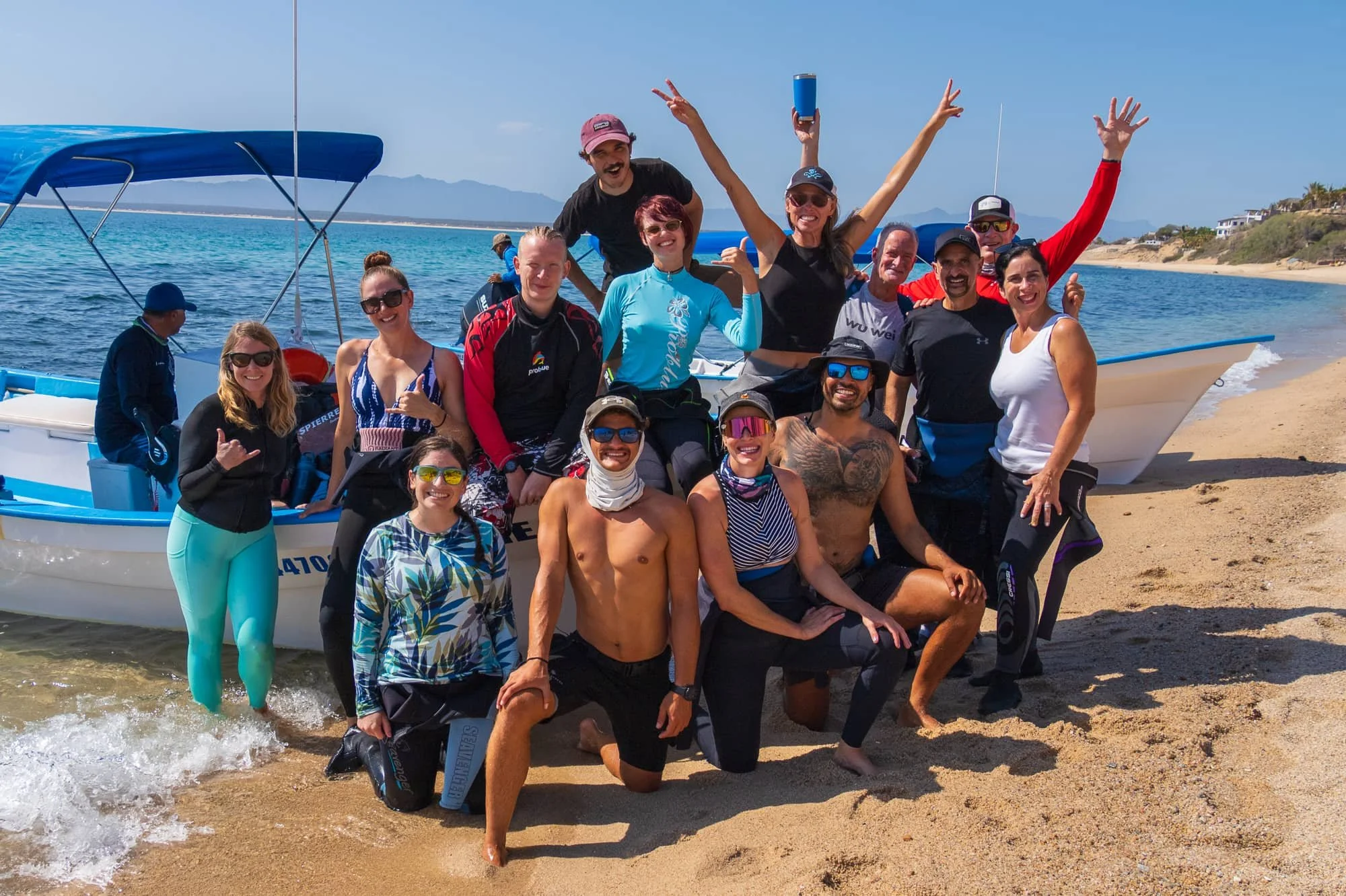
Transparent pricing.
They tell you exactly what’s included before you ask. Park fees, equipment, meals, transfers, tips — all laid out clearly.
Clear answers on ethics.
Ask them what they do when an animal doesn’t want to interact. A good operator will tell you exactly: back off, observe from a distance, move on.
Named guides with real experience.
A good operator will tell you who’s guiding, how long they’ve been in the area, what languages they speak. Where else around the world they have experience.
Small group sizes.
Published, firm, not flexible. An operator who says “max 6 guests” and then stuffs 9 into the boat is not someone you want to be on a boat with.
Proper boats.
Maintained, equipped, fuelled. You can usually tell just by looking.
Willingness to turn people away.
A good operator will tell you before you book if they think their trip isn’t right for you. Operators who’ll turn away a bad-fit booking are the ones who actually care about the experience.
A social presence that shows the full picture.
Not just the highlight reel of perfect encounters. Operators who occasionally post quiet days, weather cancellations, conservation content, and real education are operators who’ll level with you.
Questions to ask before you book
Here are some basic questions/things to check on the website of the operators (if they don’t have a website then that’s already a red flag) and if you can’t find this info, then be sure to ask any operator in La Ventana:
Do you hold a SEMARNAT permit for swimming with orcas (if relevant to the season)?
What’s included in the price, and what’s extra?
How many guests per boat, and is that firm?
Who’s the guide, and how long have they been operating in this area?
How do you handle days when the primary target species isn’t found?
What safety equipment do you carry?
What’s your cancellation and weather policy?
If I’m not sure your tour is right for me, what other options would you recommend?
A good operator will answer all of these clearly and comfortably. A rushed operator will deflect, downplay, or redirect to “just book, you’ll love it.” You know which one to pick.
FAQ
Why is there such a big price range for La Ventana tours?
Because different operators include different things, run different boats, employ different quality crews, travel different distances in search of animals, and run shorter tours. The headline price difference often disappears once you add up everything a cheap tour doesn’t include.
Is the cheapest tour ever the right choice?
Rarely. Sometimes a well-run smaller operator undercuts the big ones because they don’t have marketing or staff overhead. But “cheapest” and “best” almost never line up when it comes to safety, ethics, and experience quality.
What if my budget is genuinely tight?
I’d always say it’s worth pushing your budget a bit if you can, just to make sure you’re going with a solid operator. If you really can’t stretch it, then the most important thing is their ethics, how they treat the animals and how they behave around other boats. With a cheaper tour, you already know the boat, equipment, guide, etc. might not be at the same level, and that’s your choice to make. But if a cheap operator also has poor practices in the water, the animals don’t get a choice, it’s forced on them. So it’s important that you make that decision in their best interest.
JOIN US!!
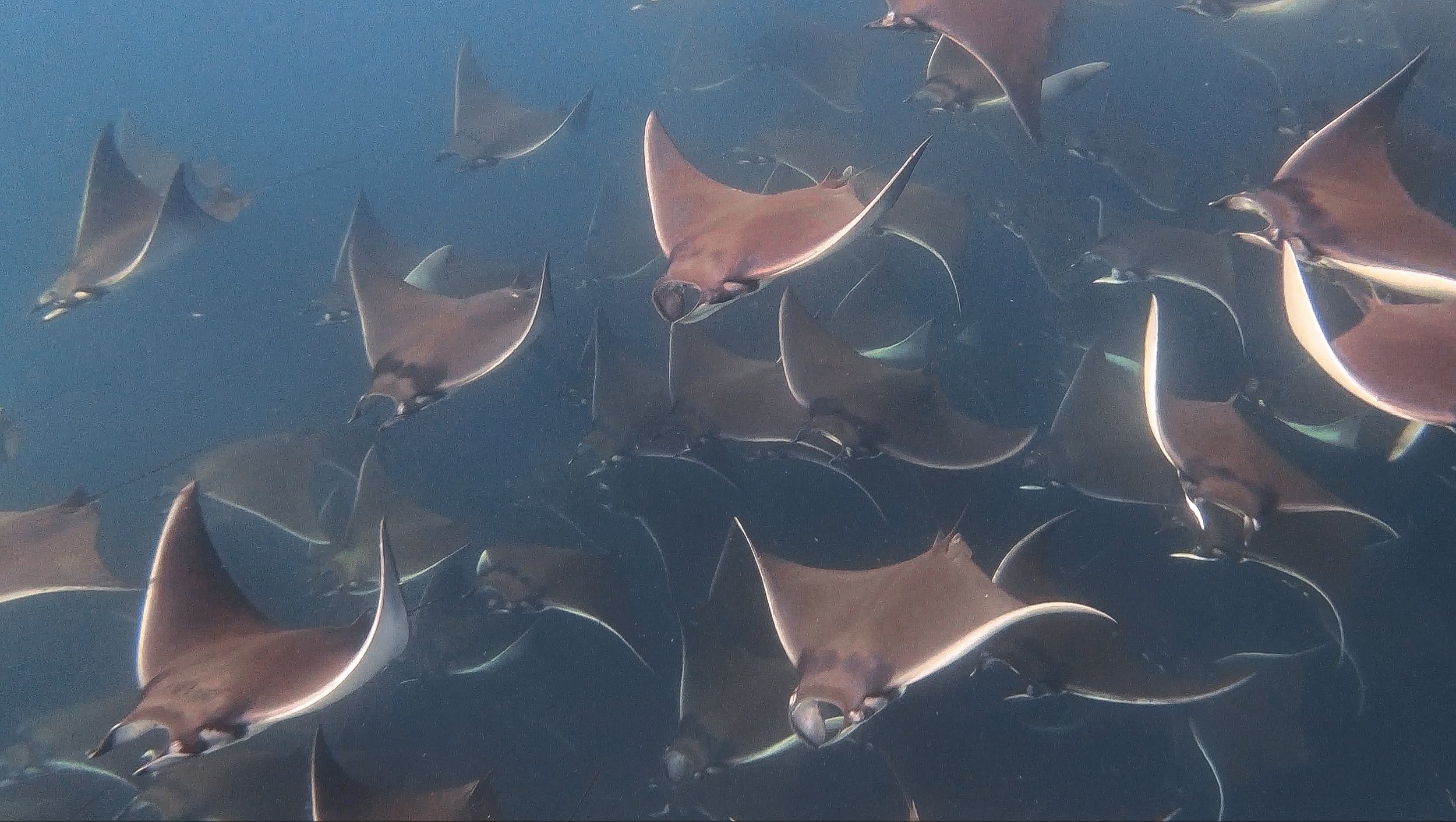
If you've read this far and you're now hyper-alert to every red flag in La Ventana, good. That's the goal. When you're ready to book, we'd love to have you — our Mobula Ray Migration expedition , Sea of Cortez Safari, and La Ventana Snorkel Tour all operate under the principles above. And if you end up booking with someone else, ask the questions in this article first. Your future self will thank you.
Check out our Wild Encounters on Instagram